
 By NewsMatrix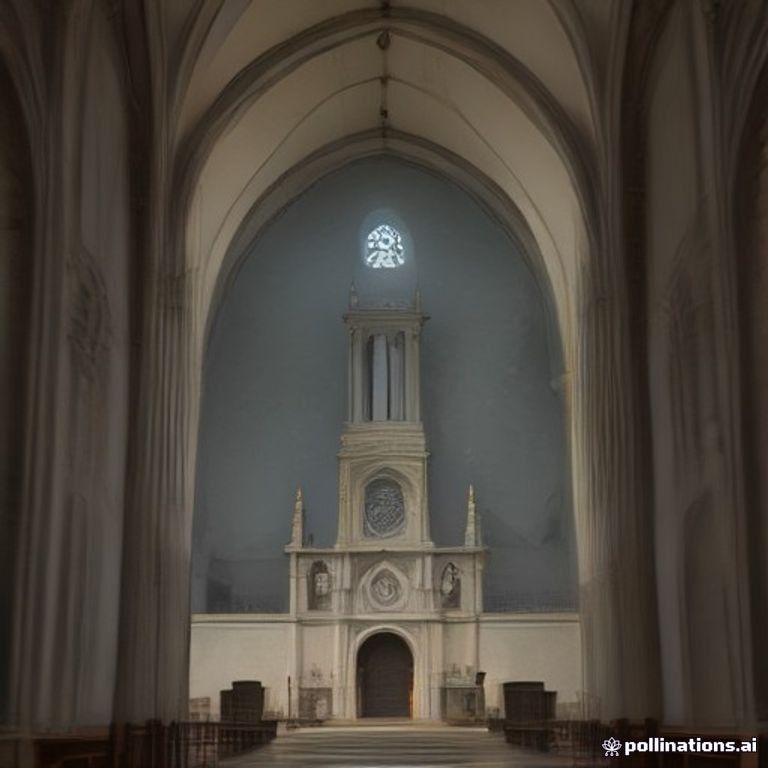
In a landmark decision reverberating through the annals of urban preservation, a 160-year-old ecclesiastical edifice in St. Louis, once teetering on the precipice of demolition, has been granted an unequivocal reprieve. This venerable structure, a silent witness to over a century and a half of the city’s unfolding history, now stands poised for a new chapter, thanks to the tireless advocacy and a decisive legal victory spearheaded by the Soulard Restoration Group. The ruling marks not merely the saving of bricks and mortar but represents a profound triumph for cultural heritage and community resolve, ensuring that the echoes of its past continue to resonate within the vibrant tapestry of St. Louis. The journey of this Historic St. Louis Church from condemnation to cautious optimism encapsulates a compelling narrative of neglect, fierce determination, and ultimately, a collective will to safeguard the irreplaceable.
A Legacy Under Threat: The Perilous Decline of a St. Louis Icon
The story of the church begins in the mid-19th century, a period of burgeoning growth and architectural ambition for St. Louis. Erected in 1863 amidst the tumult of the American Civil War, the church quickly became a spiritual and social cornerstone for its rapidly expanding neighborhood. Its Gothic Revival architecture, characterized by intricate stained-glass windows, soaring spires, and robust limestone and brickwork, spoke volumes of the craftsmanship and aspirations of its era. For generations, it served as more than just a place of worship; it was a community hub, a venue for celebrations, solemn remembrances, and a beacon of stability through economic booms and recessions, world wars, and social transformations. Its resilience, however, was tested by the inexorable march of time and the shifting tides of urban development.
By the late 20th and early 21st centuries, the church, like many historic structures in older urban cores, began to show the cumulative effects of deferred maintenance and neglect. A dwindling congregation, coupled with the monumental costs associated with preserving such a grand structure, led to a slow but perceptible decline. Sections of the roof began to fail, allowing water ingress that compromised the structural integrity of the timber framing and interior finishes. Masonry started to spall, ornate carvings weathered, and the once-vibrant stained glass grew dull with grime and age. Critically, these visible signs of decay masked more insidious problems within the foundation and load-bearing walls, raising serious safety concerns. Engineering reports commissioned by city authorities painted a grim picture, culminating in a declaration of condemnation. This designation meant the building was deemed unsafe for occupation and, without immediate and substantial intervention, was slated for demolition—a fate that has tragically befallen countless historic landmarks across the nation.
The prospect of losing such a significant piece of St. Louis’s architectural and cultural heritage galvanized a segment of the community. For many, the church represented a tangible link to their past, a testament to the resilience and spirit of previous generations. Its threatened demolition was not just about losing a building; it was about erasing a chapter of collective memory, a physical manifestation of the city’s soul. Developers, often eyeing the valuable urban real estate, saw an opportunity for new construction, envisioning modern residences or commercial spaces where the historic church once stood. This created an immediate and stark conflict between economic development and historical preservation, setting the stage for the intense legal and community battle that would ensue.
The Battle for Preservation: A Legal Labyrinth Navigated by Determination
The Soulard Restoration Group Steps Forward
It was against this backdrop of imminent loss that the Soulard Restoration Group (SRG), a renowned local organization dedicated to preserving the unique character and historical fabric of St. Louis neighborhoods, mounted a formidable challenge. Recognising the unparalleled historical and architectural significance of the church, the SRG identified it as a critical asset that demanded protection. Their mission extends beyond mere aesthetic appreciation; they understand that historic buildings contribute significantly to a neighborhood’s identity, stability, and economic vitality. The group, comprising architects, historians, legal experts, and passionate community advocates, swiftly mobilized, pooling their collective expertise and resources to prevent the demolition.
The legal strategy was multi-pronged and meticulously executed. Initially, the SRG sought to secure a temporary restraining order to halt any immediate demolition plans, buying crucial time for a more comprehensive legal challenge. This injunction required demonstrating to the court that irreparable harm would occur if demolition proceeded and that there was a strong likelihood of success on the merits of their case for preservation. Expert testimonies were gathered from structural engineers who could present alternative assessments of the church’s condition, arguing that while extensive, the damage was not beyond repair and that the building could be stabilized and restored rather than razed. Architectural historians provided detailed accounts of the building’s significance, emphasizing its unique design elements and its contribution to the architectural lineage of St. Louis.
A Landmark Court Order
The legal proceedings were arduous, marked by numerous hearings, expert depositions, and detailed presentations of evidence. The opposing parties, typically comprising the property owner or potential developers and sometimes even the city itself (depending on the specific legal framework regarding condemned properties), presented arguments centered on public safety, economic viability of restoration, and property rights. The SRG, however, maintained a steadfast focus on the public interest in preserving historical assets, the feasibility of restoration, and the precedent-setting nature of demolishing such a significant landmark. They argued that once gone, the history and character embodied by the church could never be replicated.
The turning point arrived with a decisive court order that sided with the preservationists. The judge, swayed by the compelling evidence presented by the Soulard Restoration Group regarding the church’s historical value and the viability of its repair, effectively granted a new lease on life to the condemned structure. This legal victory was monumental, not only for the church itself but for the broader preservation movement in St. Louis and beyond. It underscored the principle that historical significance and community value could, under the right circumstances and with dedicated advocacy, supersede purely economic or short-term expediency arguments. The court order specifically cleared the path for rehabilitation efforts to commence, removing the legal impediments that had previously stalled any attempts at restoration.
A Community Rallies: Collective Determination Fuels Hope
The news of the court’s decision was met with widespread jubilation throughout the St. Louis community. For months, local residents, historical societies, and civic leaders had watched with bated breath, their hopes often tempered by the grim reality of demolition crews. The success of the Soulard Restoration Group was seen as a victory for everyone who believed in the intrinsic value of history and the power of collective action. Public forums, social media campaigns, and local news coverage had kept the plight of the church in the public eye, fostering a strong sense of community ownership and shared responsibility for its fate.
Advocates, many of whom had spent countless hours volunteering, researching, and campaigning, expressed immense relief and renewed determination. “This isn’t just a win for a building; it’s a win for our collective memory and the soul of St. Louis,” stated one long-time preservationist, reflecting the sentiment of many. “We’ve shown that with enough will and collaborative effort, even the most condemned structures can be saved.” This sentiment resonates deeply in cities grappling with urban decay and the challenge of balancing progress with preservation. The church became a symbol, a powerful reminder that community engagement can indeed influence legal outcomes and shape the urban landscape for the better.
The rallying cry for the church’s preservation also highlighted the often-overlooked economic benefits of historic rehabilitation. Studies have consistently shown that investment in restoring historic properties generates jobs, stimulates local economies through the purchase of specialized materials and skilled labor, and increases surrounding property values. Furthermore, preserved historical sites often become magnets for cultural tourism, drawing visitors who contribute to local businesses and further enhancing the city’s unique identity. The community’s determination to protect this historic site from being torn down was thus rooted not only in sentiment but also in a pragmatic understanding of its potential to contribute positively to the city’s future.
Financial Commitment and Future Prospects: The Road to Renewal
The Role of the St. Louis Receivership Group
With the legal hurdles surmounted, the focus shifted immediately to the monumental task of financing and executing the necessary repairs. This is where the St. Louis Receivership Group stepped in, offering a critical financial lifeline. Receivership groups typically specialize in taking control of properties that have fallen into disrepair or abandonment, often due to financial distress or neglect, and orchestrating their rehabilitation. Their involvement in this project signifies a significant commitment, as the scale of repairs required for a 160-year-old, condemned structure is substantial and complex.
The Receivership Group’s role involves securing the substantial funds required for the restoration, which will undoubtedly run into millions of dollars. This might involve a combination of private investment, grants from historical preservation funds, philanthropic donations, and potentially tax credits designed to incentivize historic rehabilitation. Their expertise in project management and financial structuring will be indispensable in ensuring that the rehabilitation efforts are not only adequately funded but also executed efficiently and to the highest standards, respecting the historical integrity of the building.
The Path to Rehabilitation
The rehabilitation efforts will be extensive, touching every aspect of the church’s structure and interior. Initial phases will focus on structural stabilization, including foundation repairs, shoring up compromised walls, and installing new roofing to prevent further water damage. Specialized craftspeople will be engaged to restore the intricate masonry, repair or recreate damaged stained-glass windows, and conserve interior features such as plasterwork, woodwork, and possibly even original frescoes or murals if they exist. The aim is not merely to repair but to meticulously restore the church to its former glory, adhering to strict historical preservation guidelines.
Looking ahead, the successful restoration of the Historic St. Louis Church opens up a myriad of possibilities for its future use. While it may continue to serve a spiritual purpose for a renewed congregation, there is also potential for it to evolve into a multi-functional community space. Envisioned uses include a cultural center, an arts performance venue, a historical museum showcasing the neighborhood’s past, or even a unique event space that generates revenue to support ongoing maintenance. Such adaptive reuse strategies are vital for ensuring the long-term sustainability of historic structures, allowing them to remain relevant and vibrant assets within their communities.
The Broader Significance: A Global Lesson in Preservation
The triumph in St. Louis resonates far beyond the city limits, offering a compelling case study and a source of inspiration for preservationists worldwide. In an era of rapid urbanization and development, the constant tension between progress and heritage is a universal challenge. The story of this church underscores several critical lessons:
- The Power of Advocacy: Dedicated community groups like the Soulard Restoration Group are indispensable in identifying threatened landmarks and mobilizing the resources needed for their protection.
- Legal Avenues for Preservation: Strategic legal action can provide crucial leverage, allowing time for alternative solutions to demolition and affirming the public value of historic assets.
- Innovative Financing Models: The involvement of entities like the St. Louis Receivership Group highlights the need for creative and robust financial mechanisms to fund large-scale historic rehabilitations.
- Community Engagement: Broad-based public support and awareness are vital for creating a mandate for preservation and ensuring the long-term success of restoration projects.
- Adaptive Reuse Potential: Imagining new, viable uses for historic buildings is key to their sustainability, allowing them to continue serving their communities in contemporary ways.
The saving of this 160-year-old landmark sends a powerful message: historical sites are not merely relics of the past but living assets that enrich the present and inform the future. Their preservation is an investment in cultural identity, community pride, and sustainable urban development. This victory in St. Louis stands as a testament to the enduring human spirit’s desire to connect with its roots and to ensure that the monumental achievements and everyday lives of past generations continue to inspire and educate those yet to come.
Conclusion: A New Dawn for a Venerable Landmark
The arduous journey of the Historic St. Louis Church, from its solemn condemnation to its hard-won reprieve, is a powerful narrative of resilience and collective action. What once seemed an inevitable loss has transformed into a beacon of hope for urban preservation. Thanks to the tenacious legal efforts of the Soulard Restoration Group, the dedicated financial commitment of the St. Louis Receivership Group, and the unwavering support of local advocates, rehabilitation efforts are now poised to begin. This collaborative triumph ensures that a significant piece of St. Louis’s heritage will not only endure but will once again thrive, echoing its enduring story for generations to come. The church’s new lease on life is a poignant reminder that with vision, perseverance, and a deep respect for history, communities can indeed safeguard their most cherished landmarks, transforming symbols of decline into vibrant emblems of renewal.