
 By NewsMatrix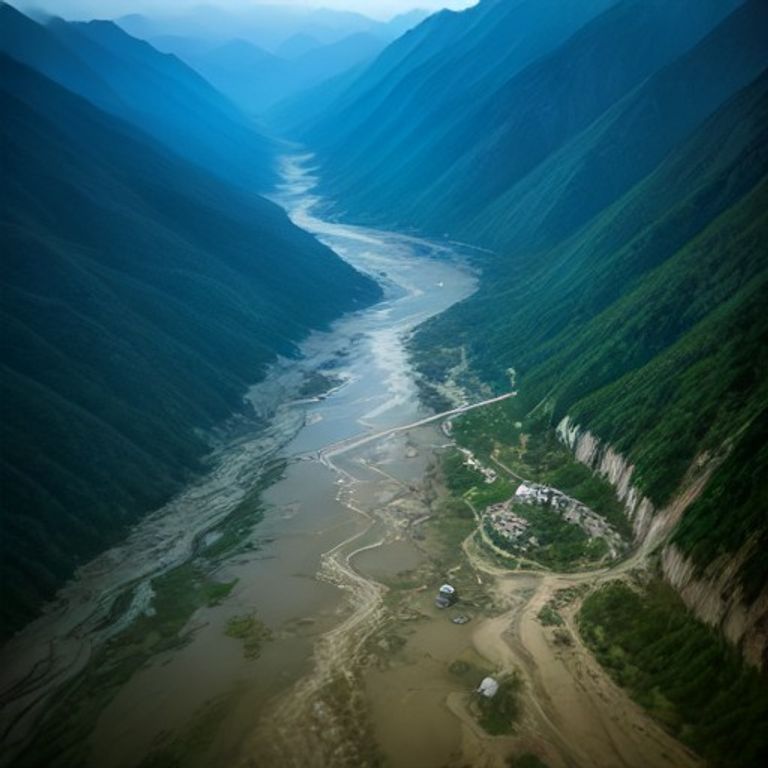
Himalayan Flash Floods Devastate Border Villages: Nepal Toll Mounts Amidst Information Blackout in Tibet
Kathmandu, Nepal – A humanitarian crisis of alarming proportions has unfolded along the rugged and remote Nepal-China border, as catastrophic Himalayan Flash Floods, triggered by a sudden glacier break, have ravaged indigenous villages, leaving a trail of death, destruction, and an unsettling disparity in reported casualties. While Nepal grapples with a staggering death toll of 538, its northern neighbor, China, has reported a strikingly low figure of just five fatalities in its Tibetan Autonomous Region, sparking concerns over information transparency and the true extent of the disaster’s impact.
The tragedy underscores the extreme vulnerability of communities living in high-altitude regions to the accelerating effects of climate change, particularly the rapid melting of glaciers. The sudden release of vast volumes of water, mud, and debris created an unstoppable torrent that obliterated homes, infrastructure, and livelihoods in its path, fundamentally altering the landscape and the lives of thousands.
The Glacier’s Fury Unleashed
The exact cause and timing of the glacial lake outburst flood (GLOF) are still under investigation, but initial reports indicate a significant glacier collapse high in the Himalayas. This event unleashed a colossal wave of water that descended with terrifying speed and force through narrow river valleys. The power of such events is immense, capable of scouring away entire sections of riverbanks, uprooting ancient trees, and carrying away everything in their path. For the unsuspecting villagers, many of whom rely on subsistence farming and livestock, there was little to no warning.
Geological experts and climate scientists have long warned about the increasing frequency and intensity of GLOFs in the Himalayan region. Rising global temperatures contribute to faster glacial melt, forming unstable glacial lakes that are prone to sudden outbursts. This latest disaster serves as a stark and tragic reminder of these escalating environmental risks and the urgent need for comprehensive risk assessment and early warning systems.
Nepal Bears the Brunt: A Nation in Mourning
Nepal, a nation already familiar with the harsh realities of natural disasters, finds itself once again reeling from an immense loss of life and widespread devastation. The confirmed death toll of 538 has cast a pall over the country, with many more still missing and presumed dead. Rescue operations, hampered by the remote and treacherous terrain, have been a desperate race against time.
Nepalese authorities, along with local and international aid organizations, have mobilized resources to reach affected areas. However, access remains a significant challenge. Roads have been washed away, bridges destroyed, and communication lines severed, isolating many communities. Emergency teams are utilizing helicopters to ferry aid and personnel, but the scale of the destruction far outstrips available resources.
- Thousands displaced, seeking shelter in makeshift camps or with relatives in safer areas.
- Extensive damage to agricultural land, destroying crops and livestock, leading to immediate food security concerns.
- Critical infrastructure, including schools, health posts, and hydropower projects, severely impacted, impeding long-term recovery efforts.
- Psychological trauma widespread among survivors, many of whom witnessed their homes and loved ones swept away.
The Nepalese government has issued an urgent appeal for international assistance, highlighting the overwhelming task of rescue, relief, and rehabilitation that lies ahead. The long-term recovery effort will require substantial financial aid and technical expertise to rebuild communities and infrastructure resilient to future climate-induced disasters.
Tibet’s Silence: An Information Vacuum
Across the border, in China’s Tibetan Autonomous Region, the narrative is markedly different. Official reports indicate only five deaths, a number that stands in stark contrast to the catastrophic figures emerging from Nepal. This significant discrepancy has fueled concerns among international observers, human rights groups, and disaster relief organizations regarding the transparency and accuracy of information emanating from Tibet.
Tibet’s politically sensitive status means that independent reporting and foreign access are severely restricted. Foreign journalists, aid workers, and researchers face immense hurdles in gaining access to the region, let alone conducting independent assessments of disaster zones. This tight control creates an “information vacuum,” making it virtually impossible to ascertain the full human cost and the true extent of destruction within the Tibetan areas affected by the flash floods.
Critics argue that China’s stringent information controls, while perhaps aimed at maintaining stability, inadvertently hinder effective disaster assessment and crucial rescue coordination efforts. Without a clear and verifiable picture of the situation on the ground, the international community and even Beijing’s own disaster response agencies operate with incomplete data, potentially delaying or misdirecting aid to those most in need. The opacity surrounding the Tibetan side of the disaster not only obscures the human tragedy but also raises questions about China’s commitment to international cooperation in transboundary disaster management.
Challenges in Transboundary Disaster Management
The disparate reporting and restricted access highlight a critical challenge in transboundary disaster management, particularly in politically sensitive regions like the Himalayas. Effective disaster response and mitigation require open communication, data sharing, and coordinated efforts between neighboring countries. In the absence of such cooperation, the human toll of natural disasters is often exacerbated.
The geopolitical complexities of the Nepal-China border add layers of difficulty. While both nations share a long border and face similar environmental threats, their approaches to governance and information dissemination differ significantly. For Nepal, transparent reporting is a necessity for garnering international support and coordinating domestic relief. For China, particularly concerning Tibet, information control is a deeply entrenched policy that often takes precedence.
Experts suggest that for future events, a more robust framework for transboundary disaster communication and coordination is desperately needed. This would involve:
- Establishing clear protocols for sharing real-time hydrological and meteorological data.
- Facilitating access for international assessment teams and humanitarian aid across borders during emergencies.
- Promoting joint research and early warning systems for glacial lake outburst floods and other climate-induced hazards.
- Building trust through consistent dialogue and cooperation on environmental issues, independent of political sensitivities.
Without these mechanisms, the risk remains that one side of a shared disaster zone will receive adequate attention and aid, while the other struggles in relative obscurity, its full tragedy unacknowledged and unaddressed.
The Long Road to Recovery and Future Preparedness
For Nepal, the immediate focus remains on search and rescue, providing emergency relief, and establishing temporary shelters. However, the long-term challenge of rehabilitation and rebuilding is monumental. Many survivors have lost everything – their homes, land, and livelihoods. Reconstructing villages in such vulnerable areas will require careful planning and significant investment in resilient infrastructure and sustainable living practices.
Beyond the immediate aftermath, this catastrophic event serves as a powerful call to action for improved disaster preparedness throughout the Himalayan region. This includes not only advanced early warning systems but also community-level education, evacuation drills, and the development of local emergency response capacities. International collaboration, particularly on climate change adaptation and mitigation strategies, is paramount.
The stark difference in reported casualties and the restricted flow of information from the Tibetan side of the disaster underscore a profound human cost that extends beyond mere numbers. It highlights the ethical imperative of transparency in times of crisis, ensuring that all victims are accounted for and receive the aid they desperately need, regardless of political boundaries or sensitivities. The world watches, hoping that lessons from these devastating Himalayan Flash Floods will pave the way for more open, cooperative, and humane responses to future climate challenges in this fragile and vital region.