
 By NewsMatrix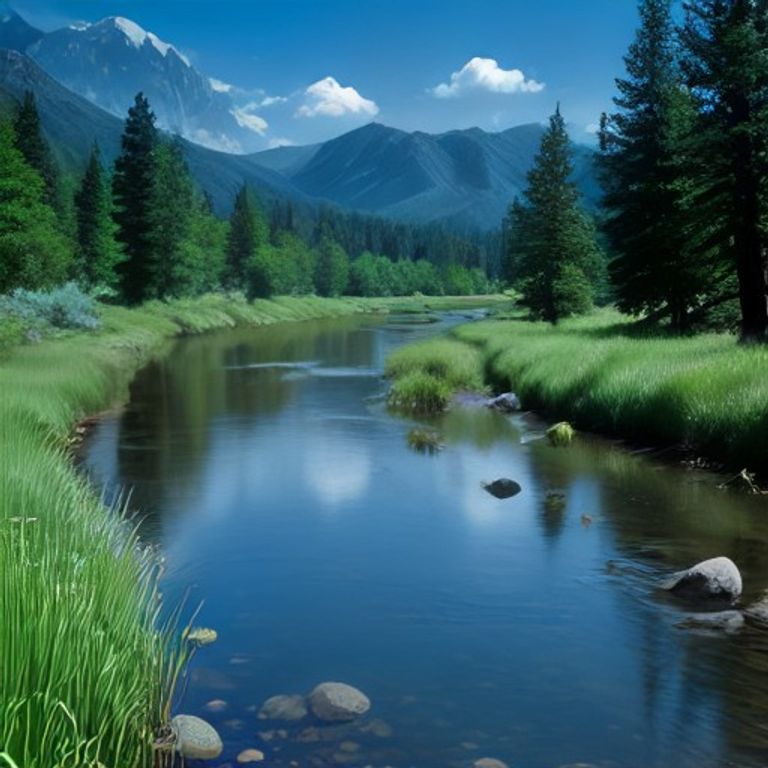
From Divorce Haven to Natural Oasis: Lower Carson Ranch Becomes New Nevada State Park
CARSON CITY, NEVADA – A significant transformation is underway in the heart of Nevada, as the historic Lower Carson Ranch, once synonymous with expedited divorces, embarks on a new chapter as a vital Nevada State Park. Spanning an impressive 1,627 acres along the winding Carson River, this expansive property is shedding its colorful past to embrace a future dedicated to preserving crucial wildlife habitats and offering public recreation. This monumental shift marks the culmination of 155 years of private ownership, officially placing the ranch under the stewardship of Nevada State Parks, signaling a new era for both the land and the surrounding communities.
The transition is more than just a change of ownership; it represents a profound redefinition of the land’s purpose. While development for future public use is currently underway and access remains limited, the excitement is palpable. The community is actively participating in selecting a new, fitting name for the park, a process that underscores the collaborative spirit defining this conservation effort. This article delves into the rich history of the Lower Carson Ranch, the ecological significance of its new role, and the promising future it holds as a public trust.
A Legacy Forged in Loopholes: Nevada’s Divorce Haven Era
For over a century, Nevada held a unique, even notorious, place in American legal history: it was the nation’s premier “divorce haven.” Long before the advent of no-fault divorce laws became widespread, couples seeking to dissolve their marriages quickly and discreetly often looked west to the Silver State. The Lower Carson Ranch, with its secluded yet accessible location near Carson City, played a significant role in this era, becoming one of many ranches and resorts that catered to a clientele desperate for a swift legal separation.
The allure of Nevada lay in its remarkably lenient residency requirements. While other states demanded years of residency, Nevada famously required only six weeks. This brief period was enough to establish legal domicile, allowing individuals to file for divorce without the protracted waiting periods and often judgmental scrutiny found elsewhere. For those with the means, a stay at a ranch like Lower Carson offered a discreet escape from public scandal and the opportunity to fulfill the residency clause in comfort, surrounded by the picturesque high desert landscape.
During the early to mid-20th century, the ranch likely served as a temporary home for countless individuals, including many from prominent families and the nascent Hollywood elite. These temporary residents would arrive, often by train or automobile, settle into their quarters, and wait out the six weeks, engaging in local activities or simply enjoying the quiet solitude the ranch afforded. The privacy offered by these establishments was paramount, allowing individuals to navigate a sensitive personal crisis away from prying eyes. This era cemented Nevada’s reputation as a progressive, if controversial, legal frontier, and the Lower Carson Ranch stood as a silent witness to these intensely personal journeys. Its walls, fences, and fields could tell countless stories of heartbreak, hope, and new beginnings, embodying a unique chapter in American social history that now closes as it transitions to a public park.
From Private Pasture to Public Sanctuary: Ecological Significance
The transformation of Lower Carson Ranch into a Nevada State Park represents a profound victory for conservation. Beyond its historical intrigue, the 1,627-acre property is an ecologically vital parcel, particularly due to its extensive frontage along the Carson River. This riparian corridor is a lifeline in Nevada’s arid landscape, supporting a rich tapestry of flora and fauna that rely on its waters and the unique habitats it creates.
The Carson River, originating in the Sierra Nevada mountains, flows eastward, nourishing a diverse ecosystem as it traverses the high desert. The ranch encompasses significant portions of this critical habitat, including lush riparian zones characterized by cottonwood, willow, and various native shrubs. These areas are incredibly productive, acting as natural filters for water quality, stabilizing riverbanks, and providing essential food and shelter for a multitude of species. Adjacent to these riverine habitats are wetlands and uplands, which further enhance the biodiversity of the area.
The varied terrain and water resources make the new state park a haven for numerous wildlife species. It serves as a crucial migratory bird corridor, with countless avian species utilizing the river for nesting, foraging, and resting during their long journeys. Expect to find a range of waterfowl, raptors like red-tailed hawks, and songbirds that thrive in the dense riparian thickets. Mammals such as mule deer, jackrabbits, coyotes, and various rodents are also residents, benefiting from the consistent water source and cover. The Carson River itself supports native fish populations, contributing to the aquatic health of the region.
Preserving this acreage as a state park ensures the protection of contiguous habitat, which is crucial for the long-term viability of these ecosystems. Fragmentation of natural landscapes is a significant threat to biodiversity, and the acquisition of the Lower Carson Ranch prevents potential future development that could disrupt these delicate balances. It offers a unique opportunity for scientific research, environmental education, and passive recreation that connects visitors directly with Nevada’s natural heritage. This commitment to ecological preservation safeguards a vital piece of the state’s natural infrastructure for generations to come, allowing nature to reclaim and thrive in a landscape once shaped by human legalities.
The Path to Public Stewardship: Acquisition and Vision
The journey of the Lower Carson Ranch from private hands to a Nevada State Park is a testament to dedicated conservation efforts and strategic vision. After 155 years of private ownership, the complexities of land acquisition for public benefit required significant coordination and resources. The motivations behind this acquisition were clear: to protect a critical riparian corridor, preserve a piece of Nevada’s cultural history, and expand access to natural recreation for its residents and visitors.
Nevada State Parks, working in conjunction with various conservation partners and legislative support, spearheaded the effort to bring the 1,627-acre property into public ownership. This process often involves extensive appraisals, negotiations with landowners, and securing funding through state budgets, grants, and sometimes federal programs dedicated to land and water conservation. The successful transfer of the ranch reflects a growing statewide commitment to safeguarding Nevada’s unique landscapes and enhancing its outdoor recreational offerings.
The vision for the new park is ambitious yet grounded in principles of sustainability and public engagement. Nevada State Parks aims to create a sanctuary where both nature and people can thrive. This involves a delicate balance: establishing infrastructure for visitor access and enjoyment while simultaneously ensuring the minimal disturbance of sensitive wildlife habitats. The park will not only serve as a natural preserve but also as an educational resource, offering opportunities for visitors to learn about the region’s ecology, history, and the importance of conservation.
Initial plans for the park focus on passive recreation, such as hiking, birdwatching, and nature photography. The development phase currently underway is crucial for establishing sustainable trail systems, interpretive signage, and necessary visitor facilities like parking and restrooms. This thoughtful approach ensures that when the park fully opens, it will be prepared to welcome the public in a way that is respectful of the environment and enhances the visitor experience, solidifying its role as a premier destination within the Nevada State Park system.
Shaping the Future: Development and Community Engagement
With the Lower Carson Ranch now officially a Nevada State Park, the focus has shifted to the careful planning and development required to open its gates to the public. This phase is critical, balancing the imperative to protect the natural environment with the desire to provide meaningful recreational and educational experiences for visitors. While public access is currently limited, this deliberate approach ensures that future development aligns with the park’s conservation goals and serves the community effectively.
Current development efforts are centered on establishing foundational infrastructure. This includes designing and constructing sustainable trail networks that allow visitors to explore the diverse landscapes of the park without impacting sensitive areas. Plans are also underway for the creation of interpretive centers or kiosks, which will provide valuable information about the park’s ecological features, historical significance, and the array of wildlife that call it home. Thoughtful placement of parking areas, restrooms, and picnic facilities is also being considered to accommodate future visitors while minimizing environmental footprint.
Future recreational opportunities at the park are expected to include a wide range of activities catering to nature enthusiasts. Hiking and walking trails will offer varying degrees of difficulty, inviting families and experienced trekkers alike to immerse themselves in the Carson River ecosystem. Birdwatching will undoubtedly be a popular activity, given the park’s rich avian diversity. Educational programs, guided tours, and citizen science initiatives are also anticipated, fostering a deeper connection between the public and the natural world.
Crucially, the community is playing an active and vital role in shaping the park’s identity, most notably through the process of selecting a new name. This grassroots involvement is more than just a formality; it instills a sense of local ownership and pride in the new public land. Public forums, online surveys, and community meetings have provided platforms for residents to submit and discuss potential names, often reflecting the area’s natural features, historical figures, or indigenous heritage. This collaborative approach ensures that the park’s chosen name resonates deeply with those who will cherish and protect it for generations.
A New Chapter for Nevada: Conservation and Legacy
The transformation of the Lower Carson Ranch into a Nevada State Park signifies a momentous occasion for the state, marking a profound shift from a storied private past to a vibrant public future. This initiative stands as a powerful testament to Nevada’s unwavering commitment to both preserving its natural heritage and celebrating its unique history. By converting a historical site, once famous as a haven for quick divorces, into a sprawling natural sanctuary along the Carson River, the state has forged a new legacy that benefits both the environment and its citizens.
This newly established state park, with its 1,627 acres of diverse habitats, promises to become a cornerstone of conservation in the region. It will serve as a critical refuge for countless wildlife species, ensuring the protection of vital riparian corridors, wetlands, and upland ecosystems that are increasingly threatened elsewhere. The careful planning and ongoing development underscore a dedication to creating a sustainable resource, one that balances ecological integrity with the public’s desire for access to the outdoors.
The active involvement of the community in the naming process further cements this park as a truly public endeavor. It reflects a shared vision for a space where people can connect with nature, learn about the local environment, and appreciate the rich tapestry of Nevada’s past. As the park continues to take shape, it is poised to become an invaluable asset for environmental education, scientific research, and outdoor recreation, enhancing the quality of life for residents and attracting visitors from afar.
In essence, the Lower Carson Ranch’s rebirth as a Nevada State Park is more than just a land transfer; it is an enduring symbol of renewal, an investment in biodiversity, and a profound commitment to stewardship. It marks the closing of one fascinating chapter and the exciting opening of another, ensuring that this significant piece of Nevada will be cherished and protected for generations to come, a true testament to the power of preservation and community vision.