
 By NewsMatrix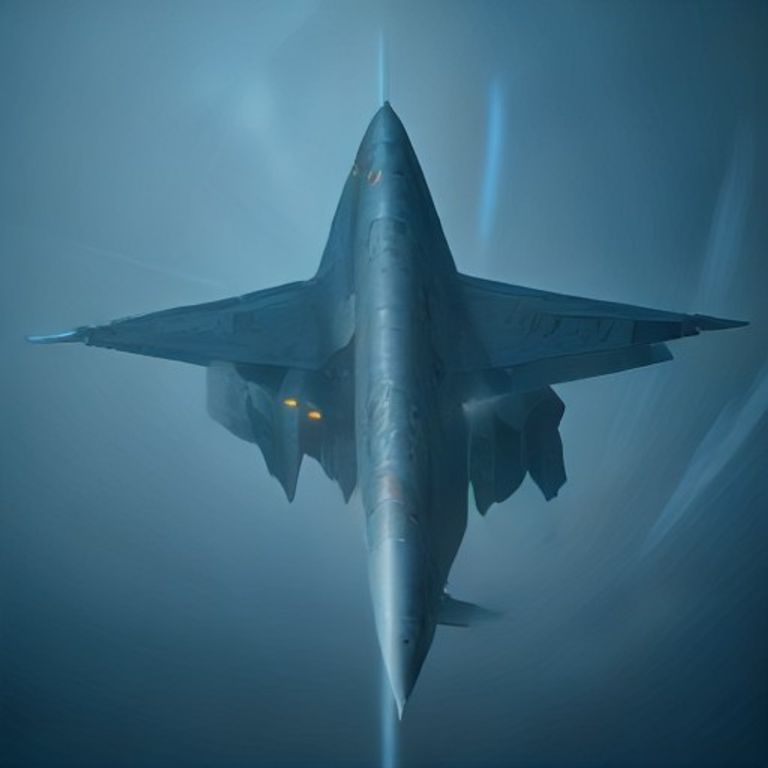
India Forges Alliances to Pioneer Future Air Combat Technology
In a strategic maneuver set to redefine its defense capabilities and global standing, India is making assertive strides into the realm of future air combat technologies. New Delhi has strategically positioned itself at the forefront of aerospace innovation by becoming a crucial dialogue partner in the ambitious UK-Japan-Italy Global Combat Air Programme (GCAP). Concurrently, India is also actively engaging with France’s Future Combat Air System (FCAS) project, signaling a potential dual-track approach to acquiring and co-developing cutting-edge aerial warfare platforms. This proactive engagement underscores India’s determination to not only modernize its air force but also to play a pivotal role in shaping the very architecture of next-generation aerial combat globally, with a keen focus on advanced capabilities like artificial intelligence (AI) and directed-energy weapons. This deep dive into India Air Combat Technology through international collaborations marks a significant pivot, aiming for self-reliance while leveraging global expertise.
A Leap into Sixth-Generation Warfare
The global defense landscape is on the cusp of a revolutionary transformation, moving beyond the capabilities of even the most advanced fifth-generation fighters like the F-22 Raptor and F-35 Lightning II. The advent of sixth-generation combat aircraft promises an unprecedented leap in technological sophistication and operational effectiveness. These future platforms are envisioned as highly interconnected, data-rich nodes in a broader combat ecosystem, capable of operating autonomously or semi-autonomously, and seamlessly integrating with manned-unmanned teaming (MUT) concepts. Key characteristics include extreme stealth, hypersonic speeds, advanced sensor fusion, cognitive electronic warfare (EW), and the incorporation of disruptive technologies such as directed-energy weapons and advanced artificial intelligence for real-time decision-making. India’s involvement in both GCAP and FCAS is a clear indication of its ambition to directly influence and benefit from the development of these revolutionary aircraft, ensuring its air force remains relevant and superior in the decades to come.
Joining the Global Combat Air Programme (GCAP)
The Global Combat Air Programme (GCAP), a tripartite endeavor involving the United Kingdom, Japan, and Italy, represents one of the most significant multinational defense initiatives of the modern era. Launched with the explicit goal of developing a formidable sixth-generation fighter jet by 2035, GCAP seeks to replace the Eurofighter Typhoon for the UK and Italy, and the F-2 for Japan. India’s formal inclusion as a ‘dialogue partner’ in this high-profile program is a testament to its growing strategic importance and its burgeoning technological capabilities in the defense sector. This partnership offers India a unique opportunity to gain insights into the developmental processes, technological blueprints, and strategic planning behind a leading future combat aircraft program. It provides a direct channel for collaboration on critical subsystems, design philosophies, and potentially, co-production or licensed manufacturing down the line.
For GCAP, India brings not only a massive potential market but also a rich talent pool in engineering and software development, along with significant geopolitical heft. The program’s ambition is to create a fighter jet that will feature:
- Advanced Artificial Intelligence (AI): For enhanced situational awareness, autonomous decision support, and advanced mission planning.
- Next-Generation Stealth: Incorporating new materials and design principles to minimize radar cross-section across multiple spectrums.
- Directed-Energy Weapons (DEW): For defensive and offensive capabilities, offering precision engagement and potentially unlimited ammunition.
- Cognitive Electronic Warfare: Systems capable of learning and adapting to new threats in real-time.
- Manned-Unmanned Teaming (MUT): Seamless integration with unmanned combat aerial vehicles (UCAVs) for reconnaissance, targeting, and combat support.
- Open Systems Architecture: Allowing for easy upgrades and integration of future technologies, ensuring longevity and adaptability.
This dialogue partnership could pave the way for India’s deeper involvement, potentially evolving into a full partnership, which would significantly bolster its ‘Make in India’ defense initiative and secure its access to cutting-edge aerospace technologies for decades to come.
Engaging with France on the Future Combat Air System (FCAS)
Parallel to its engagement with GCAP, India is also maintaining a crucial dialogue with France regarding its Future Combat Air System (FCAS). FCAS, a joint venture primarily between France, Germany, and Spain, aims to develop a ‘system of systems’ centered around a New Generation Fighter (NGF) and a range of interconnected platforms, including remote carriers and a combat cloud. This program is envisioned to replace the Rafale and Eurofighter jets in the participating nations’ arsenals by around 2040.
India’s relationship with France in defense manufacturing and technology transfer has historically been robust, exemplified by the acquisition and licensed production of Rafale fighter jets. This existing trust and operational familiarity provide a solid foundation for potential collaboration on FCAS. While India’s engagement with FCAS is currently described as a ‘potential pathway,’ it signifies New Delhi’s interest in exploring all viable avenues to secure its future air combat requirements. This dual engagement strategy allows India to compare the technological roadmaps, partnership models, and strategic advantages offered by both GCAP and FCAS, ultimately enabling it to make informed decisions that best serve its national security interests and industrial growth. Should India proceed with deeper FCAS involvement, it would likely seek significant technology transfer, co-development opportunities, and a strong role for its indigenous defense industry, mirroring its aspirations with GCAP. The French initiative, much like GCAP, emphasizes network-centric operations, stealth, AI, and advanced weaponry, offering India another robust option for future aerial power.
Strategic Imperatives: Why India is Investing in Advanced Air Combat
India’s proactive pursuit of sixth-generation fighter technology is driven by a complex interplay of strategic imperatives, geopolitical realities, and the pressing need to modernize its armed forces. At the forefront is the evolving security environment in the Indo-Pacific region, characterized by increasing assertiveness from neighboring powers and a renewed focus on air superiority. Maintaining a technological edge over potential adversaries, particularly in the realm of aerial warfare, is paramount for India’s defense posture.
Furthermore, India’s long-term vision of ‘Atmanirbhar Bharat’ (Self-Reliant India) in defense manufacturing plays a significant role. While engaging with global partners, the ultimate goal is to foster indigenous research, development, and production capabilities. Participation in these cutting-edge programs provides invaluable opportunities for Indian scientists, engineers, and defense industries to absorb advanced technologies, acquire critical know-how, and elevate their manufacturing prowess. This will not only reduce reliance on foreign imports but also position India as a credible exporter of defense technologies in the future. The sheer scale and complexity of developing a sixth-generation fighter make it an endeavor that few nations can undertake independently. By joining forces with established aerospace giants, India can share the immense financial burden, distribute technological risks, and accelerate its progress towards achieving air combat superiority. This collaborative approach ensures India remains a key player in the global defense ecosystem, influencing future standards and operational doctrines.
Defining Sixth-Generation Capabilities: The Technological Frontier
The capabilities envisioned for sixth-generation fighters go far beyond incremental upgrades, representing a paradigm shift in aerial warfare. At their core is the ubiquitous integration of Artificial Intelligence (AI) and machine learning (ML). AI will enable pilots to process vast amounts of data from multiple sensors, make rapid, optimized decisions in high-stress combat scenarios, and even manage swarms of unmanned wingmen. These AI systems will offer predictive maintenance, enhanced targeting solutions, and dynamic mission adaptation, significantly reducing pilot workload while increasing lethality and survivability.
Another revolutionary aspect is the incorporation of Directed-Energy Weapons (DEW). Laser and high-power microwave weapons offer the potential for silent, high-speed, and virtually unlimited engagements against a range of targets, from incoming missiles to hostile aircraft. These weapons could revolutionize air-to-air combat, defensive systems, and even ground attack roles, offering precision and minimizing collateral damage. Advanced stealth technology will evolve to encompass ‘all-aspect, all-spectrum’ low observability, making these aircraft virtually undetectable across radar, infrared, and visible light spectrums. Sensor fusion will reach unprecedented levels, creating a comprehensive, real-time picture of the battlespace that is shared instantaneously across the combat network.
Manned-Unmanned Teaming (MUT) will become a standard operational doctrine, with sixth-generation fighters acting as command and control nodes for swarms of autonomous drones, performing reconnaissance, electronic warfare, and even offensive missions. These remote carriers will extend the manned fighter’s reach and survivability, acting as loyal wingmen or expendable assets. Hypersonic capabilities, allowing for sustained flight at speeds of Mach 5 or higher, will provide unmatched speed, range, and evasive maneuverability, making interception extremely challenging. Coupled with cognitive electronic warfare systems that can dynamically adapt to jamming and cyber threats, and open systems architectures for rapid upgrades, these aircraft will represent the pinnacle of aerospace engineering, setting new benchmarks for air dominance and strategic deterrence.
Economic and Industrial Ramifications for India
India’s deep dive into these global future air combat programs carries profound economic and industrial ramifications, extending far beyond mere military acquisition. By participating in GCAP and exploring FCAS, India stands to stimulate significant growth within its burgeoning defense industrial complex. The potential for technology transfer, co-development agreements, and licensed production creates a fertile ground for Indian defense manufacturers, both public and private, to ascend the value chain. This engagement will inevitably lead to substantial investments in research and development (R&D) within India, fostering innovation in areas critical to aerospace engineering, such as advanced materials, avionics, AI, and propulsion systems.
Furthermore, such high-tech collaborations are catalysts for skill development. They will necessitate the training and upskilling of a new generation of Indian engineers, technicians, and scientists in cutting-edge aerospace disciplines, thereby creating high-value jobs and preventing brain drain. The experience gained from working on world-class projects like GCAP and FCAS can elevate India’s indigenous capabilities to a level where it can design, develop, and eventually export its own advanced defense platforms, significantly boosting its strategic autonomy and economic prowess. It also opens avenues for Indian companies to become integral parts of the global supply chains for these advanced fighters, securing long-term economic benefits and solidifying India’s position as a serious player in the global aerospace industry.
Navigating the Complexities: Challenges and Opportunities
While India’s engagement in future air combat programs presents unparalleled opportunities, it is not without its complexities and challenges. The most immediate challenge is the immense financial outlay required for such cutting-edge development. Sixth-generation fighter programs are notoriously expensive, demanding sustained multi-billion-dollar investments over decades. India will need to carefully balance its defense budget priorities to accommodate these costs while ensuring other critical defense needs are met. Another significant hurdle lies in technology transfer. Partner nations, while keen on collaboration, often guard their most sensitive technologies closely. India will need to negotiate robust technology transfer agreements that ensure meaningful absorption of know-how and not just assembly of components, to truly advance its ‘Make in India’ ambitions.
Moreover, integrating diverse systems and design philosophies from multiple international partners can lead to technical complexities and potential delays. Ensuring interoperability and seamless integration with existing Indian defense infrastructure will be crucial. Despite these challenges, the opportunities far outweigh the hurdles. These collaborations offer India a chance to leapfrog several generations of aircraft development, gaining access to technologies that would otherwise take decades and immense resources to develop domestically. They provide a unique platform for strategic alliances, strengthening diplomatic ties and enhancing India’s geopolitical influence. Ultimately, by carefully navigating these complexities, India can secure a formidable air combat advantage, drive domestic industrial growth, and cement its position as a major global power in the 21st century.
Conclusion: Charting a Course for Air Superiority
India’s dual engagement with the UK-Japan-Italy GCAP and France’s FCAS projects marks a definitive and forward-looking strategy in its pursuit of future air combat supremacy. By proactively becoming a dialogue partner in GCAP and exploring pathways with FCAS, New Delhi is not merely seeking to upgrade its aerial fleet; it is aiming to fundamentally reshape its defense industrial base and establish itself as a significant contributor to the global aerospace innovation ecosystem. This strategic foresight ensures that the Indian Air Force will be equipped with the most advanced sixth-generation capabilities, including revolutionary AI-driven systems and directed-energy weapons, to address the complex threats of tomorrow. This bold move underscores India’s commitment to self-reliance through international collaboration, positioning it as a pivotal player in defining the next era of aerial warfare and securing its strategic interests on the world stage for decades to come. The future of India Air Combat Technology is clearly one of collaboration, innovation, and strategic advancement.