
 By NewsMatrix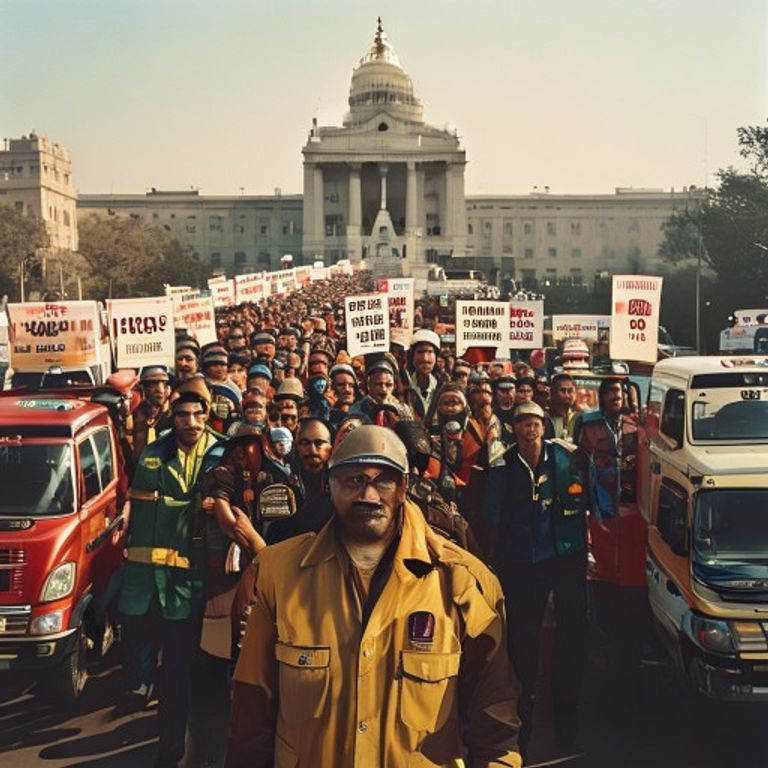
Delhi Transport Unions Gear Up for Parliament March Over E20 Fuel Protest
NEW DELHI, India – A significant showdown is brewing in the nation’s capital as various Delhi transport groups are mobilizing for a massive march to Parliament on August 4. Their primary demand is the immediate withdrawal of ethanol-blended petrol from the market, particularly the E20 fuel program. This burgeoning E20 fuel protest highlights growing concerns among transport operators and vehicle owners regarding potential vehicle problems and a noticeable reduction in mileage attributed to the mandated fuel blend. The government, however, firmly defends its E20 fuel initiative, asserting its safety and numerous benefits for both the environment and the national economy. The upcoming protest is set to underscore the widening chasm between governmental energy policy and the ground-level realities faced by a crucial sector of the Indian economy.
The Rising Tide of Discontent: Drivers’ Concerns Fueling the Protest
The decision by Delhi’s myriad transport associations, encompassing auto-rickshaws, taxis, buses, and goods carriers, to stage a parliament march stems from a mounting chorus of complaints. Operators report a spectrum of issues they attribute directly to the use of ethanol-blended fuel. A prevalent concern is the perceived damage to engine components, particularly in older vehicles not specifically designed for higher ethanol concentrations. This includes worries about rubber and plastic components degrading faster, fuel pump failures, and accelerated wear and tear on various parts of the fuel system. Drivers argue that these issues lead to increased maintenance costs and prolonged vehicle downtime, directly impacting their livelihoods.
Beyond mechanical integrity, a significant point of contention revolves around fuel efficiency. Many drivers assert that their vehicles exhibit a marked decrease in mileage when running on E20 fuel compared to traditional petrol. Given the tight margins in the transport sector and the fluctuating prices of fuel, any reduction in mileage translates directly into higher operational costs. For individual drivers, particularly those operating on daily earnings, this can severely erode their profits, pushing many towards financial precarity. The unions contend that these unaddressed practical problems necessitate a re-evaluation of the E20 mandate, rather than a blanket imposition without considering the socio-economic implications for a vast segment of the workforce.
The associations have reportedly collected anecdotal evidence and testimonials from thousands of drivers across the city, detailing their experiences. These range from engine misfires and sputtering to more severe issues requiring costly repairs. While scientific studies are often cited by the government, the transport groups emphasize the real-world, daily struggles of those directly impacted. They argue that the cumulative effect of these problems poses a significant threat to the operational viability of countless transport businesses, from small owner-operators to larger fleet managers. Their march is not merely a symbolic gesture but a desperate plea for recognition of their grievances and a demand for concrete action.
Government’s Stance: E20 as a Strategic Imperative
In stark contrast to the concerns of the transport sector, the Indian government has consistently championed its ethanol blending program, viewing it as a cornerstone of its energy security and environmental agenda. The E20 fuel initiative, which mandates blending 20% ethanol with petrol, is touted as a strategic move to reduce India’s heavy reliance on crude oil imports, thereby saving precious foreign exchange. India is one of the world’s largest importers of oil, and the government projects significant savings through increased domestic ethanol production and blending.
Furthermore, the government highlights the environmental benefits of E20 fuel. Ethanol is considered a cleaner-burning fuel, and its increased use is expected to contribute to a reduction in greenhouse gas emissions and other harmful pollutants, thereby improving air quality, particularly in densely populated urban centers like Delhi. The program also aligns with India’s broader commitment to combating climate change and transitioning towards more sustainable energy sources. Officials often point to global trends, where several developed and developing nations have successfully implemented higher ethanol blends in their fuel matrix.
From an agricultural perspective, the ethanol blending program is seen as a boon for Indian farmers. Ethanol in India is primarily produced from sugarcane and surplus food grains. The government argues that the program provides an assured market for agricultural produce, thereby supporting farmers’ incomes and diversifying the agricultural economy. This multi-faceted approach underscores the government’s conviction that the E20 program is not just an environmental initiative but a comprehensive strategy addressing economic, energy, and agricultural objectives simultaneously. They contend that the fuel is rigorously tested and deemed safe for compliant vehicles, dismissing the widespread concerns as either unfounded or applicable only to a small segment of older, non-compliant vehicles.
The Technical Divide: Old vs. New Engines
At the heart of the E20 controversy lies a significant technical divide: the compatibility of vehicles with higher ethanol blends. Modern vehicles, particularly those manufactured in recent years, are increasingly designed to be E20 compliant. These vehicles feature upgraded fuel systems, including ethanol-resistant materials for fuel lines, seals, and other components, ensuring their longevity and performance with the new blend. For these newer models, the transition to E20 is expected to be seamless, with no significant adverse effects on engine life or mileage.
However, a substantial portion of India’s existing vehicle fleet consists of older models that were designed to run on E5 (5% ethanol blend) or even pure petrol. These vehicles may not have the necessary material specifications to withstand the corrosive properties of a 20% ethanol blend. Ethanol, being hygroscopic, attracts and absorbs water, which can lead to corrosion in fuel tanks and lines, especially those made of certain metals. It can also degrade rubber and plastic components over time, leading to leaks, blockages, and potential engine malfunctions. The transport groups argue that a forced transition to E20 without adequate infrastructure for older vehicles or a robust retrofitting program places an unfair burden on vehicle owners, especially those who cannot afford to upgrade their vehicles.
Experts suggest that while E20 is generally safe for compliant vehicles, its long-term effects on non-compliant engines could range from minor performance issues to significant mechanical failures. The government acknowledges these concerns for older vehicles but often emphasizes the future-proofing aspect of E20-compliant vehicle manufacturing. However, the sheer number of older vehicles on Indian roads means that the practical implications of this technical incompatibility affect a vast number of users, contributing to the sentiment of grievance among transport unions.
Economic Ripple Effects: Costs and Sustainability
The economic ramifications of the E20 rollout are a major flashpoint for the protesting transport groups. If their claims of reduced mileage and increased maintenance costs hold true on a large scale, the economic burden on transport operators could be substantial. For commercial vehicles, fuel is often the single largest operational expense. A 5-10% drop in fuel efficiency, coupled with potential repair bills, could render many small businesses unprofitable. This directly impacts the income of drivers and owners, who are often self-employed and operate on very thin profit margins.
Furthermore, increased operational costs for commercial transport inevitably lead to higher freight charges and passenger fares. This means the additional cost burden could eventually be passed on to consumers, leading to inflationary pressures on goods and services, and making public transport more expensive. Such a scenario could disproportionately affect lower and middle-income groups, exacerbating existing economic challenges. The unions are essentially arguing that while the government benefits from reduced import bills and agricultural support, the immediate economic cost is being unfairly borne by the transport sector and, by extension, the general public.
The sustainability of the transport sector itself is at stake, according to the unions. Many operators rely on their vehicles as their sole source of income. If these vehicles become more expensive to run and maintain, it could lead to widespread business failures, job losses, and a disruption of essential transport services. The demand for withdrawal of E20 is thus framed not just as a narrow interest group’s plea, but as a critical intervention to prevent broader economic instability within a vital sector.
A Call for Dialogue and Reconsideration
The upcoming march to Parliament on August 4 is more than just a protest; it is a powerful statement and a direct appeal to the highest echelons of government. The transport groups are not merely demanding a rollback but are also implicitly calling for a more inclusive and fact-based dialogue. They seek an independent assessment of E20’s real-world impact on various vehicle types and operational conditions, a transparent mechanism for addressing grievances, and potentially, a policy framework that includes provisions for retrofitting older vehicles or offering financial assistance to operators facing undue burdens.
The demonstration is expected to attract a significant number of participants, causing potential disruptions in traffic and drawing national attention to the issue. The transport unions hope that the sheer scale and visibility of their protest will compel the government to engage meaningfully with their concerns, rather than merely reiterating its policy stance. They understand the strategic importance of the E20 program for the nation but argue that its implementation should not come at the cost of crippling a vital industry and causing widespread distress among its workers.
This protest also serves as a reminder of the intricate balance required when implementing large-scale policy changes that affect diverse segments of society. While national objectives like energy security and environmental sustainability are paramount, the practical challenges and economic impacts on specific sectors and individuals cannot be overlooked. The outcome of the August 4th march and the government’s subsequent response will likely set a precedent for how future transitions in India’s energy policy are managed, emphasizing the need for robust stakeholder engagement and adaptive policy frameworks.
Conclusion: A Crossroads for India’s Energy Transition
The impending march by Delhi’s transport groups to Parliament marks a critical juncture in India’s ambitious journey towards energy independence and environmental sustainability. The protest against ethanol-blended E20 fuel encapsulates a complex conflict between national strategic imperatives and the ground-level economic realities faced by a vital industry. While the government vigorously defends its E20 program as safe, beneficial, and strategically important for reducing oil imports and promoting cleaner energy, transport operators are vocal about concerns ranging from vehicle damage to reduced mileage, directly impacting their livelihoods.
The August 4th demonstration is poised to be a pivotal moment, drawing national attention to the nuanced challenges of transitioning to alternative fuels. It underscores the necessity for policy frameworks that not only achieve macro-level objectives but also adequately address the micro-level impacts on diverse stakeholders. Whether this protest will lead to a policy reconsideration, a more robust dialogue, or enhanced support mechanisms for affected sectors remains to be seen. What is clear, however, is that the voices of Delhi’s transport community are demanding to be heard, highlighting the intricate balance between national vision and the practicalities of implementation in a rapidly evolving energy landscape.