
 By NewsMatrix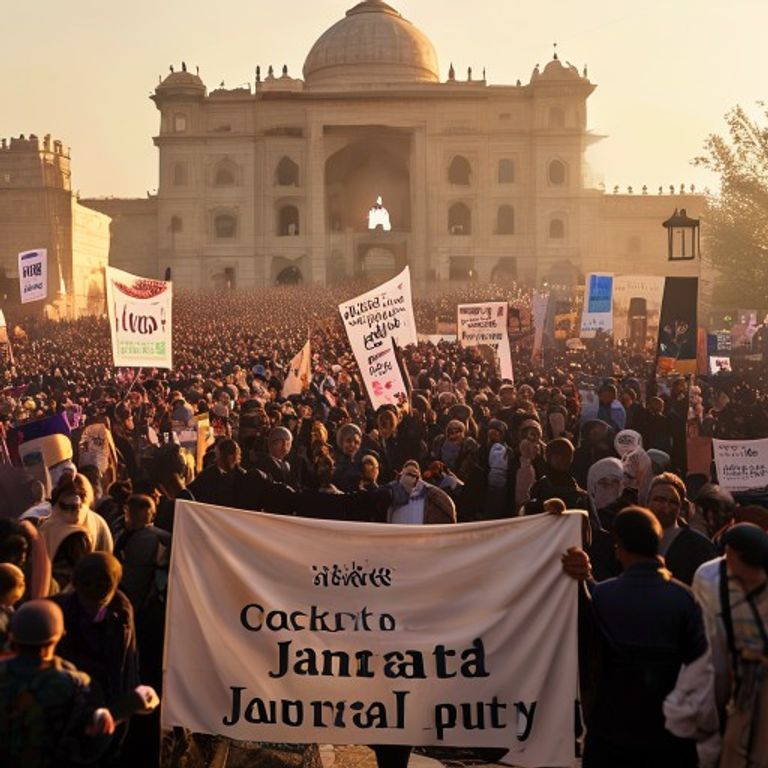
NEW DELHI – After an arduous 37-day demonstration that brought the bustling heart of India’s capital to a standstill, the Cockroach Janta Party (CJP) has officially concluded its prolonged Jantar Mantar protest ends. This significant development, marking a temporary de-escalation of political tensions, followed three crucial rounds of negotiations with a high-level central government delegation. The resolution saw the government acquiesce to two of the party’s primary demands, including the contentious resignation of a key minister and the commitment to withdraw all legal cases initiated against the participants and organizers of the lengthy sit-in. While a significant victory for the protesting party, the CJP has emphatically stated its unwavering resolve to continue its advocacy for comprehensive compensation for the numerous families adversely impacted by the recent NEET paper leak scandal, ensuring that the issue remains firmly on the national agenda.
The Genesis of Discontent: A 37-Day Stand-Off
The protest at Jantar Mantar, a historic site synonymous with public demonstrations in New Delhi, commenced 37 days ago amidst escalating public frustration and political fervor. The Cockroach Janta Party, a relatively nascent but increasingly vocal political entity, had mobilized thousands of its members and supporters from across various states. Their grievances were multifaceted, primarily centered on what they described as systemic corruption and governmental apathy towards pressing national issues. The NEET paper leak, a scandal that rocked the nation’s educational system and shattered the dreams of countless aspiring students, served as a potent catalyst, galvanizing public opinion and intensifying the CJP’s resolve.
Throughout the duration of the protest, Jantar Mantar transformed into a vibrant, albeit tense, hub of dissent. Speeches, slogans, street plays, and round-the-clock sit-ins became the order of the day. The protesters endured extreme weather conditions, logistic challenges, and the constant scrutiny of national and international media. Their unwavering commitment aimed to exert maximum pressure on the central government, demanding accountability and swift action on their core issues. The initial weeks were marked by a lack of direct communication from the government, leading to fears of a prolonged stalemate. However, persistent media coverage and growing public sympathy eventually compelled the administration to engage.
Key Demands and the Path to Resolution
The Cockroach Janta Party had laid down a comprehensive list of demands at the outset of their protest. While several issues were highlighted, two critical demands emerged as non-negotiable prerequisites for the cessation of the protest. The first and arguably most significant demand was the immediate resignation of a Union Minister, whose portfolio was not publicly disclosed but was widely speculated to be linked to the sectors embroiled in alleged malpractices. The CJP accused the minister of either direct complicity or gross negligence in failing to prevent the widespread irregularities that had fueled public anger.
The second pivotal demand focused on the withdrawal of all legal cases filed against the protesters and organizers. During prolonged demonstrations, it is common for authorities to register cases under various sections of the law, often leading to harassment and judicial battles for participants. The CJP viewed the withdrawal of these cases not just as a gesture of goodwill but as a fundamental right of peaceful dissent. The government’s acceptance of these two demands represents a significant concession, underscoring the political pressure exerted by the CJP’s sustained activism.
The breakthrough came after three intense rounds of talks. Sources close to the negotiations revealed that the initial discussions were fraught with tension, with both sides holding firm on their positions. However, as the protest entered its fifth week, the government, likely keen to avoid further political embarrassment and disruption, signaled its willingness to engage more constructively. The central government delegation, comprising senior bureaucrats and political advisors, engaged directly with CJP leadership. While the specifics of the deliberations remain confidential, the eventual outcome clearly indicates a strategic retreat by the government on the two primary points of contention.
Government Concessions: A Detailed Look
The acceptance of the two key demands by the central government signals a tactical victory for the Cockroach Janta Party. The resignation of a Union Minister, regardless of the portfolio, is a rare occurrence forced by public pressure and typically signifies a significant political setback for the ruling dispensation. It sends a strong message of accountability, suggesting that sustained public outcry can indeed lead to tangible consequences for those in power. This move is likely to be scrutinized by political analysts and opposition parties, potentially setting a precedent for future interactions between the government and protesting groups.
Furthermore, the decision to withdraw all legal cases against protesters and organizers is a crucial outcome for individual participants. Often, the fear of legal repercussions acts as a deterrent for citizens wishing to engage in public demonstrations. By agreeing to drop these charges, the government not only addresses a key grievance of the CJP but also potentially de-escalates broader tensions surrounding the right to protest. This move is generally perceived as a conciliatory step, aimed at fostering a more harmonious environment following a period of intense confrontation. However, the precise mechanisms and timeline for the withdrawal of these cases will be closely watched to ensure full compliance.
Unresolved Agendas: The NEET Compensation Battle Continues
Despite the success in securing two major concessions, the Cockroach Janta Party has made it unequivocally clear that its struggle is far from over. The issue of compensation for families affected by the NEET paper leak remains a prominent and deeply emotional demand. The NEET examination, a crucial gateway to medical education in India, was marred by allegations of widespread paper leaks, leading to immense distress and uncertainty for thousands of students and their families. The CJP argues that beyond holding officials accountable, the government has a moral and ethical obligation to financially compensate those whose lives and careers have been irrevocably impacted by the scam.
CJP spokesperson, Ms. Anya Sharma, addressing the media after the announcement, stated, “While we appreciate the government’s belated willingness to listen and act on some of our demands, the pain and suffering caused by the NEET paper leak cannot be swept under the carpet. Our protest at Jantar Mantar may have concluded, but our fight for justice and fair compensation for these families will continue with renewed vigor. We expect the government to formulate a comprehensive compensation package and implement it swiftly.” This stance indicates that while the physical presence at Jantar Mantar has ended, the CJP will employ other political and advocacy strategies to keep the NEET compensation demand alive.
The demand for compensation presents a more complex challenge for the government. Quantifying the damages, identifying legitimate beneficiaries, and establishing a fair compensation framework could be a protracted process. Moreover, setting a precedent for compensation in such cases might open a Pandora’s Box, potentially leading to similar demands for other instances of governmental oversight or systemic failures. Nevertheless, the CJP’s continued focus on this issue ensures that the government cannot easily sideline the plight of the affected families.
Political Implications and Future Outlook
The conclusion of the Jantar Mantar protest carries significant political implications for both the ruling government and the Cockroach Janta Party. For the government, the concessions, particularly the ministerial resignation, could be seen as a sign of vulnerability, especially in the run-up to various state elections and potentially the next general election. It might embolden other opposition parties to adopt more aggressive protest strategies. However, it could also be spun as a government that listens to its people and acts decisively, depending on the narrative control.
For the Cockroach Janta Party, the protest has undoubtedly elevated its national profile. A relatively young party, the CJP has demonstrated its organizational capabilities, its capacity to mobilize sustained public support, and its effectiveness in extracting concessions from the central government. This could translate into increased political capital, a broader voter base, and enhanced bargaining power in future political alignments. The leadership of the CJP will now face the challenge of converting this newfound momentum into electoral success and demonstrating its ability to deliver on the remaining promises, particularly the NEET compensation.
Historically, Jantar Mantar has been the crucible for numerous socio-political movements in India, from anti-corruption crusades to farmers’ protests. The CJP’s 37-day demonstration adds another chapter to this legacy, reinforcing the role of peaceful public assembly as a vital component of democratic expression. The outcome of this protest will likely be studied by political strategists and civil society organizations, offering insights into the dynamics of state-protester interactions in contemporary India.
Broader Impact on Governance and Public Trust
The incident underscores the growing importance of transparency and accountability in governance. The public’s readiness to engage in prolonged protests over issues like paper leaks highlights a diminishing tolerance for malpractices and a heightened expectation of ethical leadership. The government’s eventual engagement and concessions, while perhaps delayed, could help restore a modicum of public trust, demonstrating that dissent, when organized and persistent, can lead to corrective action.
However, the underlying issues that fuel such protests remain pertinent. Systemic reforms in examination processes, greater transparency in ministerial appointments, and expedited justice for victims of negligence are essential to prevent similar escalations in the future. The episode serves as a powerful reminder that neglecting public grievances can lead to significant political challenges and erosion of trust, which is difficult to rebuild.
Conclusion: A Truce, Not a Full Surrender
The conclusion of the Cockroach Janta Party’s 37-day Jantar Mantar protest ends marks a significant moment in India’s political landscape. It represents a hard-won victory for the protesting party, securing the resignation of a minister and the withdrawal of legal cases, yet it is simultaneously a testament to the enduring power of democratic dissent. While the immediate confrontation has abated, the CJP’s continued pursuit of compensation for NEET paper leak victims ensures that the broader struggle for justice and accountability will persist. The coming months will reveal how both the government and the Cockroach Janta Party leverage the outcomes of this protracted protest, shaping the trajectory of national politics and public discourse.