
 By NewsMatrix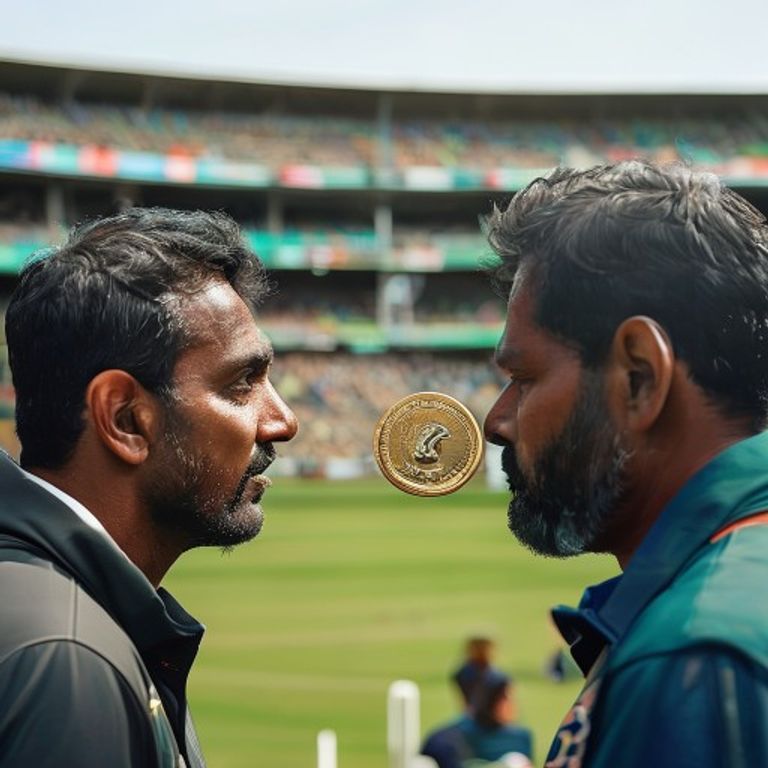
Iyer Toss Streak Ends: Shreyas’ Eight-Win Run Concludes in Harare
Harare, Zimbabwe – A remarkable chapter in cricket’s often-unpredictable narrative closed abruptly on Saturday as Indian captain Shreyas Iyer’s unprecedented eight-toss winning streak ended at the Harare Sports Club. In a pivotal moment preceding the second One Day International against Zimbabwe, home captain Sikandar Raza called correctly, opting to field first and confirming that the Iyer Toss Streak Ends, bringing an end to Iyer’s dominant run with the coin, a streak that had captivated cricket enthusiasts globally and offered a rare glimpse into the curious world of pre-match rituals and statistical anomalies.
The conclusion of Iyer’s extraordinary run marked a significant talking point before a ball was even bowled. The Indian skipper, known for his calm demeanour and strategic acumen, had enjoyed an unparalleled period of luck or perhaps, an uncanny knack for calling correctly, securing eight consecutive tosses across various international fixtures. This sequence began earlier in the year and extended through the initial matches of the current series, providing India with the consistent advantage of deciding their fate at the crucial outset of each contest. While the toss itself might seem a minor event in the grand scheme of a cricket match, its psychological impact and strategic implications can be profound, especially in limited-overs formats where setting or chasing a target can significantly influence the game’s flow and outcome.
A Streak of Statistical Wonder: The Anatomy of Iyer’s Toss Dominance
Shreyas Iyer’s eight-toss winning streak was more than just a statistical oddity; it was a testament to a prolonged period where fortune consistently favoured the Indian contingent under his captaincy. In a sport where the toss is a 50/50 proposition, winning eight in a row defies simple probability and becomes a subject of fascination. Each consecutive win amplified the buzz, leading to discussions among commentators and fans alike about the ‘golden arm’ of the Mumbai-born cricketer. This run spanned different conditions and opposition, further adding to its mystique. For a captain, winning the toss allows for the immediate implementation of a pre-determined strategy, whether it’s to exploit early morning moisture by bowling first or to put runs on the board and apply pressure later in the day by batting. Iyer had enjoyed this luxury consistently, a significant strategic advantage that many captains only dream of.
The streak wasn’t confined to a single format or series. It represented a consistent ability to secure the initial upper hand, an aspect that, while not guaranteeing victory, certainly smoothed the path for tactical execution. The psychological edge gained from winning the toss is often understated. It allows the captain to dictate terms from the very first moment, subtly shifting the burden of adapting onto the opposing team. This prolonged period of toss success undoubtedly contributed to a sense of confidence within the Indian camp, knowing they could often choose their preferred course of action based on pitch reports and weather conditions.
Raza’s Call and Zimbabwe’s Strategic Intent
The moment of truth arrived when Sikandar Raza, the seasoned Zimbabwean captain, called correctly, bringing Iyer’s streak to an end. Raza’s decision to field first was a clear indication of his team’s strategic intent and their assessment of the playing conditions at the Harare Sports Club. Historically, chasing targets in day-night matches, especially with the potential for dew later in the evening, has been a preferred strategy for many teams. The opportunity to analyze the opposition’s total and plan the run chase accordingly offers a clear objective, often leading to more calculated batting performances.
Iyer himself acknowledged the improved pitch conditions, admitting he would have preferred to bat first. This candid admission provides insight into the Indian team’s planned approach for the match. A pitch that has improved might offer better batting conditions throughout the innings, making it a good surface to set a commanding total. Raza’s decision to field, therefore, was a calculated gamble, indicating confidence in his bowlers to restrict India to a manageable score and faith in his batsmen to chase effectively. It also highlighted the dynamic nature of captaincy, where decisions are made based on immediate circumstances, sometimes going against conventional wisdom if conditions dictate otherwise.
Zimbabwe’s unchanged playing eleven from the first match further underscored their belief in the unit’s capabilities and their desire for consistency. Despite the outcome of the previous encounter, the management and captain clearly felt that the chosen eleven possessed the right balance and skill set to challenge India. This stability in selection can often foster greater team cohesion and understanding among players, allowing them to execute plans more effectively. It speaks volumes of the trust placed in each player to deliver a performance worthy of an international fixture, especially against a top-tier team like India.
Yash Thakur’s Debut: A Glimpse into India’s Bench Strength
While the toss created initial headlines, the other significant development for India was the debut of young pacer Yash Thakur. Thakur’s inclusion in the playing eleven, replacing Ashok Sharma, signals India’s ongoing commitment to broadening its talent pool and providing opportunities to deserving domestic performers on the international stage. Debuts are always special moments for any cricketer, representing the culmination of years of hard work, dedication, and consistent performances in the domestic circuit. For Thakur, stepping onto the international arena against a spirited Zimbabwean side offers an invaluable learning experience and a chance to make an immediate impact.
Thakur’s pathway to the national team has likely been paved through impressive performances in first-class and List A cricket, showcasing his ability to pick up wickets and maintain control under pressure. His entry into the squad reflects the robust system of talent identification and nurturing within Indian cricket, ensuring a steady supply of new players ready to step up when required. For a team like India, with its packed international schedule and the constant need for player management, having a strong bench strength capable of seamlessly integrating into the main squad is paramount. This strategic rotation not only keeps the main players fresh but also allows the team management to assess the depth of their resources, particularly in less high-stakes series.
The decision to replace Ashok Sharma, assuming he played the previous game, indicates a tactical adjustment or a pre-planned rotation. In bilateral series, especially against teams like Zimbabwe, India often uses the opportunity to experiment with combinations and give exposure to younger talents. This approach helps in building a formidable pool of players who are ready for bigger challenges, like World Cups and major tournaments. Thakur’s debut, therefore, is not just about one player; it’s about the broader vision of Indian cricket to maintain its dominance through continuous talent development.
Zimbabwe’s Continuity and Quest for Redemption
In contrast to India’s rotation, Zimbabwe’s decision to retain their unchanged playing eleven from the first match highlights their strong belief in their established unit and their collective approach to the series. For a team looking to make a statement and challenge a cricketing powerhouse like India, consistency in selection can be a powerful tool. It allows players to settle into their roles, build combinations, and execute strategies with greater familiarity and confidence. Sikandar Raza, as captain, has often emphasized stability and backing his players, and this decision aligns perfectly with that philosophy.
Zimbabwe’s primary objective in this series would undoubtedly be to secure a victory against India, a feat that would not only boost their confidence but also provide crucial points in the ongoing ICC Cricket World Cup Super League (or similar qualification pathways, depending on the series context). The first match might not have gone their way, but an unchanged eleven signals a clear message: the team believes in its potential to bounce back and deliver a strong performance. Key players like Raza himself, who often leads from the front with both bat and ball, and others who have shown flashes of brilliance, will be crucial in their quest for redemption.
The home advantage, coupled with the familiarity of conditions, provides Zimbabwe with an opportunity to turn the tables. Their strategy of fielding first suggests a plan to restrict India and then chase under the potentially easier batting conditions later in the day. This tactical battle between India’s formidable batting lineup and Zimbabwe’s disciplined bowling and energetic fielding will be a key determinant of the match’s outcome. The pressure is on Zimbabwe to convert their strategic decisions into on-field performances, demonstrating their growth and resilience as an international cricketing side.
The Broader Context: Learning and Adaptation in Bilateral Series
Bilateral series, especially those against lower-ranked teams, often serve a dual purpose for top cricketing nations like India. Firstly, they provide crucial match practice and opportunities to test various team combinations and individual players. Secondly, they are essential for earning ranking points and maintaining position in the global cricketing hierarchy. For emerging teams like Zimbabwe, these series are invaluable opportunities to compete against the best, learn from their experiences, and showcase their talent on a global stage.
The conclusion of Shreyas Iyer’s toss-winning streak serves as a subtle reminder of the unpredictable nature of cricket and the need for teams to adapt to varying circumstances. While winning the toss provides an initial advantage, ultimate success hinges on execution across all three departments – batting, bowling, and fielding. India, despite losing the toss, will be confident in their ability to perform under any conditions, relying on their deep talent pool and strategic flexibility.
Conversely, for Zimbabwe, winning the toss offers a significant psychological boost and the chance to dictate the early proceedings of the game. It allows them to implement their preferred strategy and put India under pressure from the outset. The tactical nuances of such decisions often set the tone for the entire match, making the captain’s choice at the toss a moment of considerable importance, regardless of past streaks or statistical anomalies. The series provides both teams with vital lessons in adaptability, strategy, and mental fortitude.
Conclusion: A New Chapter and Tactical Battles Unfold
The end of Shreyas Iyer’s remarkable eight-toss winning streak marks a new chapter in the ongoing cricketing encounter between India and Zimbabwe. While the streak itself was a fascinating footnote in Iyer’s captaincy, its conclusion has immediately shifted the tactical landscape of the second ODI. Sikandar Raza’s decision to field first, coupled with Iyer’s expressed preference to bat on an improved surface, sets the stage for an intriguing battle of strategies at the Harare Sports Club. The debut of Yash Thakur for India further underscores the visitors’ commitment to nurturing new talent, while Zimbabwe’s unchanged XI reflects their steadfast belief in their established unit.
As the match progresses, all eyes will be on how both teams capitalize on their respective advantages. India, batting first, will aim to post a formidable total, testing Zimbabwe’s bowling and fielding prowess. Zimbabwe, in turn, will look to restrict India and then chase the target with composure, leveraging their home conditions and the strategic choice of fielding first. The end of a streak, the tactical decisions, and the introduction of new talent all combine to create a compelling narrative for cricket fans worldwide, highlighting the sport’s constant evolution and its capacity for unexpected turns. The second ODI promises to be a captivating contest, rich in strategic depth and individual performances, as both nations vie for supremacy.