
 By NewsMatrix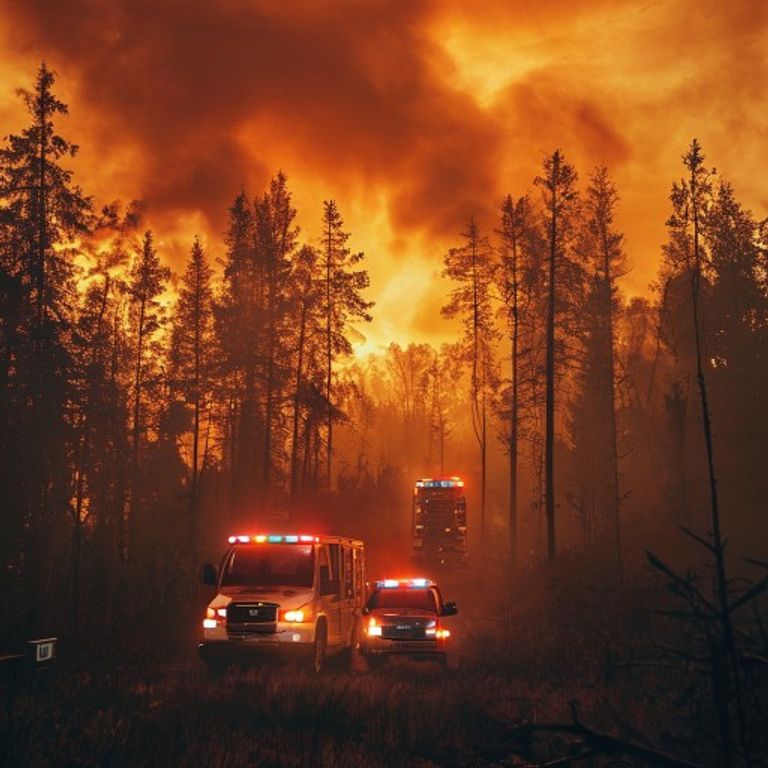
In an alarming escalation of the climate crisis gripping southern Europe, Spain has officially declared a national emergency as widespread European wildfires continue to devastate vast swathes of its territory. The infernos, fueled by unprecedented heatwaves and persistent drought conditions, have prompted the urgent evacuation of tens of thousands of residents and tourists, casting a grim shadow over the region’s peak season. Simultaneously, neighboring France has formally requested assistance from the European Union to combat a major blaze near the critical wine-producing region of Bordeaux, highlighting the escalating strain on national resources and underscoring the transnational nature of this environmental catastrophe. This unfolding crisis serves as a stark, undeniable testament to the intensifying impact of climate change, demanding immediate and concerted action from national governments and international bodies alike.
Spain Grapples with Unprecedented Firestorm
The situation in Spain has reached critical levels, with multiple autonomous communities battling ferocious blazes that have consumed thousands of hectares of forest and scrubland. The declaration of a national emergency by the Spanish government underscores the severity and widespread nature of the crisis. Regions particularly hard-hit include Galicia, Castilla y León, Extremadura, and Andalucía, where firefighters, bolstered by military emergency units, are working around the clock in increasingly challenging conditions.
The scale of the evacuations has been immense, affecting both rural villages and popular tourist destinations. Families, holidaymakers, and livestock have been forced to abandon their homes and accommodations, often with little notice, as walls of flame advanced rapidly. The psychological toll on those displaced is profound, with many facing the prospect of returning to find their livelihoods and properties irrevocably damaged or completely destroyed. Local authorities have established emergency shelters and aid centers, but the sheer volume of evacuees has stretched resources thin.
Experts from Spain’s meteorological agency (AEMET) have pointed to a relentless succession of heatwaves this summer, with temperatures consistently soaring above 40 degrees Celsius in many areas, exacerbated by strong, unpredictable winds. These extreme conditions have turned already dry vegetation into highly combustible fuel, creating a perfect storm for rapid fire propagation and making containment efforts exceptionally difficult. The long-term drought, persisting for months across much of the Iberian Peninsula, has depleted water reserves and left the landscape parched, further increasing vulnerability.
France Calls for EU Aid as Bordeaux Burns
Across the Pyrenees, France is also contending with a severe wildfire crisis, most notably in the Gironde department near Bordeaux. After several days of intense firefighting efforts that saw thousands evacuated from popular Atlantic coast resorts and pine forests, French authorities formally activated the European Union’s Civil Protection Mechanism. This request for international assistance highlights the overwhelming scale of the challenge facing even well-equipped nations like France.
The blaze near Bordeaux, which reignited after initial containment efforts, has forced the evacuation of over 10,000 people from areas around La Teste-de-Buch and Landiras. Iconic natural sites, including parts of the Dune du Pilat, Europe’s tallest sand dune, have been threatened, and significant damage to the region’s invaluable pine forests has occurred. These forests are vital for the local timber industry and tourism, as well as being crucial carbon sinks.
French President Emmanuel Macron, addressing the nation, emphasized the solidarity of European partners and pledged full national resources to combat the fires. The EU mechanism allows for the pooling of firefighting aircraft, ground teams, and other critical equipment from member states, providing much-needed reinforcement to overwhelmed national forces. Countries like Germany, Greece, and Sweden have historically provided aid under this mechanism, demonstrating the collective response required for such cross-border environmental disasters.
The intensity and duration of the current heatwave in France have shattered previous records, creating an environment where even a small spark can rapidly escalate into an uncontrollable inferno. Firefighters have described unprecedented conditions, with fires behaving in ways rarely seen before, making traditional strategies less effective.
The Undeniable Hand of Climate Change
The current wave of European wildfires is not an isolated phenomenon but rather a stark manifestation of the accelerating impact of climate change on the continent, particularly in its southern regions. Scientists have long warned that rising global temperatures would lead to more frequent, more intense, and longer-lasting heatwaves, coupled with extended periods of drought. This is precisely what southern Europe is experiencing.
The Intergovernmental Panel on Climate Change (IPCC) reports have consistently highlighted the Mediterranean basin as a major climate change hotspot, projected to face increased aridity and extreme weather events. The record-breaking heat seen across Spain, France, Portugal, Italy, and other parts of Europe this summer aligns perfectly with these scientific predictions. Each degree of global warming significantly increases the likelihood and severity of such events.
Beyond the immediate human and environmental cost, these fires contribute to a vicious cycle. As forests burn, they release vast quantities of stored carbon dioxide into the atmosphere, further exacerbating the greenhouse effect and accelerating global warming. The loss of tree cover also reduces the land’s ability to absorb future carbon emissions, creating a negative feedback loop that is difficult to break.
The shift in fire season is also notable. Historically, major wildfires were more concentrated in specific months. Now, with prolonged periods of dryness and heat extending earlier into spring and later into autumn, the fire risk window has significantly expanded, placing year-round pressure on emergency services and natural environments.
Socio-Economic and Ecological Fallout
The consequences of these extensive European wildfires extend far beyond the immediate threat to life and property. Economically, the tourism sector, a cornerstone for many southern European nations, faces significant disruption. Cancellations, closed attractions, and damaged infrastructure will undoubtedly lead to substantial revenue losses. Agriculture, another vital industry, is also suffering immensely. Vineyards in France, olive groves and livestock in Spain, and other crops face destruction, impacting local economies and food supply chains.
Ecologically, the destruction of natural habitats is catastrophic. Forests are complex ecosystems, home to a vast array of flora and fauna. Wildfires obliterate these habitats, threatening biodiversity and leading to long-term ecological imbalance. Recovery can take decades, if not centuries, with some unique species facing extinction. The soil also suffers, becoming less fertile and more susceptible to erosion, especially during subsequent heavy rainfall, which can lead to further environmental problems like landslides and flash floods.
Air quality is another serious concern. The massive plumes of smoke generated by the fires carry particulate matter and toxic gases hundreds of kilometers, affecting public health even in distant urban centers. Respiratory issues, eye irritation, and other health problems become more prevalent during these periods, adding strain to healthcare systems already under pressure.
The human element of this crisis cannot be overstated. Beyond the immediate evacuations, communities are left to rebuild, often from scratch. The emotional and mental health impacts on those who have lost homes, livelihoods, or witnessed the devastation firsthand are profound and long-lasting, requiring extensive support systems.
A Call for European Resilience and Adaptation
The recurring and intensifying nature of these European wildfires demands a fundamental shift in strategy, moving beyond reactive firefighting to proactive prevention and long-term adaptation. While the immediate response focuses on extinguishing blazes and protecting lives, policymakers are increasingly confronted with the need for systemic changes.
Enhanced forest management practices are crucial. This includes controlled burns in less risky periods, creating firebreaks, and promoting more fire-resistant native vegetation. Investing in early detection systems, such as advanced satellite monitoring and ground-based sensors, can significantly improve response times and prevent small fires from becoming uncontrollable.
At the European Union level, there is a growing consensus on the need to bolster the collective Civil Protection Mechanism, ensuring that member states have sufficient resources and coordination capabilities to respond to large-scale disasters. This includes increasing the shared fleet of firefighting aircraft and establishing joint rapid response teams.
Ultimately, the long-term solution lies in aggressive climate change mitigation. Reducing greenhouse gas emissions through a rapid transition to renewable energy, improving energy efficiency, and promoting sustainable land use practices are paramount. The scientific consensus is clear: without significant global efforts to curb emissions, extreme weather events like these devastating wildfires will only become more frequent and more intense.
The crisis unfolding in Spain and France serves as a powerful and urgent reminder that climate change is not a distant threat but a present reality with tangible, devastating consequences for lives, economies, and ecosystems across Europe and globally. It necessitates a unified, resolute, and rapid response to protect vulnerable communities and secure a sustainable future.