
 By NewsMatrix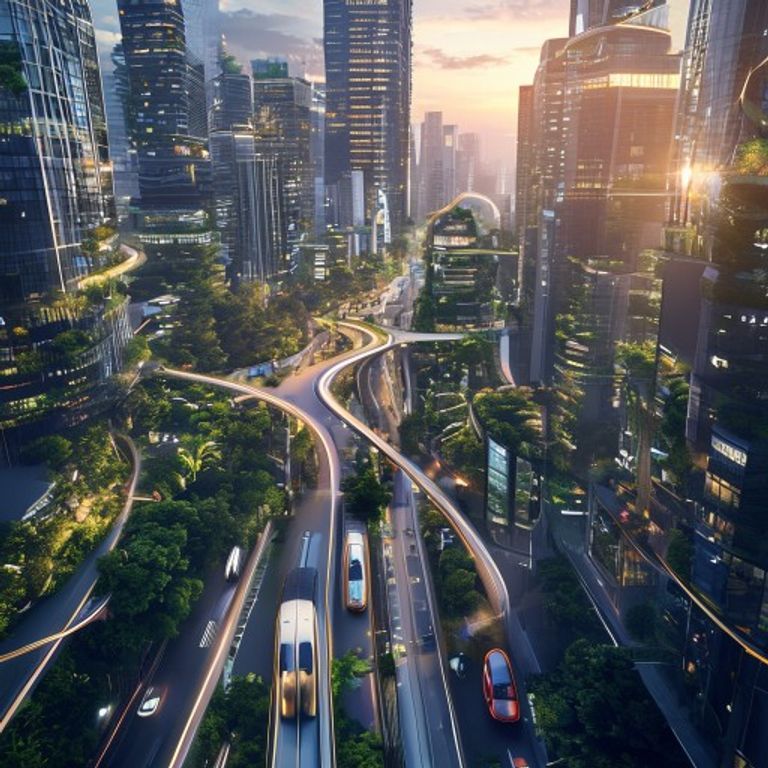
The Dawn of the Intelligent Metropolis
As we navigate the third decade of the 21st century, the definition of an urban environment is undergoing a radical transformation. At NewsMatrix, we have been closely monitoring the rapid integration of smart technology into the very fabric of our metropolitan areas. The concept of a smart city is no longer a futuristic dream reserved for science fiction; it is a tangible reality that is actively changing how we commute, work, and interact with our surroundings.
The traditional city—characterized by sprawling infrastructure, reactive maintenance, and centralized planning—is being replaced by the responsive, data-driven metropolis. By utilizing the Internet of Things (IoT), artificial intelligence, and big data, municipal governments and private sector partners are creating environments that prioritize efficiency, sustainability, and human-centric design. NewsMatrix explores the pillars of this transformation and what it means for the residents of tomorrow.
The Core Technologies Driving Urban Evolution
To understand the magnitude of this change, one must look at the technologies forming the backbone of these digital cities. It is not just about having high-speed internet access; it is about creating a nervous system for the city.
The Role of Data and IoT
At the center of any smart city project reported by NewsMatrix is the deployment of thousands of interconnected sensors. These devices collect real-time data on air quality, traffic flow, waste management, and energy consumption. This data is the lifeblood of urban management, allowing city planners to move away from guesswork and toward predictive analytics. For instance, instead of fixed traffic light timings, intelligent systems now adjust in real-time based on actual vehicle density, significantly reducing congestion and emissions.
Sustainable Energy and Grid Management
Energy efficiency is a primary driver for the adoption of smart technologies. Modern urban centers are integrating smart grids that can manage demand dynamically. By utilizing renewable energy sources and battery storage systems, cities are becoming more resilient. NewsMatrix has noted that these advancements also allow for microgrids, which can provide localized power, ensuring that essential services remain functional even during larger grid failures.
Transforming the Commuter Experience
Transportation remains one of the most significant challenges for growing urban populations. The shift toward smart mobility is perhaps the most visible change for the average citizen. NewsMatrix highlights how technology is shifting the focus from individual car ownership to integrated mobility ecosystems.
- Autonomous Public Transit: Self-driving shuttles and trams are beginning to bridge the last-mile gap, making public transportation more reliable.
- Mobility-as-a-Service (MaaS): Platforms that integrate transit, bike-sharing, and ride-hailing into a single digital payment and scheduling interface are simplifying urban travel.
- Smart Parking Solutions: IoT-enabled parking spots notify drivers of available space in real-time, drastically reducing the time spent circling city blocks.
Infrastructure That Thinks and Heals
The physical infrastructure of our cities is also evolving. We are moving toward a future of self-maintaining cities. Smart sensors embedded in bridges, roads, and building foundations can detect structural stress long before it becomes a hazard. NewsMatrix emphasizes that this proactive maintenance approach not only saves taxpayer money but also ensures public safety in an unprecedented way.
Furthermore, green architecture is increasingly coupled with digital automation. Smart buildings now utilize automated systems to optimize heating, cooling, and lighting based on occupancy levels. This reduces the carbon footprint of massive structures, helping cities meet ambitious climate goals without sacrificing comfort or functionality.
The Challenges of the Digital City
While the benefits are clear, NewsMatrix recognizes that this transition is not without its hurdles. The rapid digitization of urban spaces brings complex issues that must be addressed to ensure an equitable future.
Data Privacy and Security
With thousands of sensors collecting data 24/7, privacy concerns are at the forefront of the public debate. Who owns this data? How is it being used? How do we prevent unauthorized access? NewsMatrix advocates for robust legislative frameworks and transparent data policies that protect individual rights while fostering innovation.
The Digital Divide
There is a risk that smart city technology could widen the gap between wealthy, tech-enabled neighborhoods and underserved communities. To truly succeed, these advancements must be inclusive. Access to high-speed connectivity and the benefits of smart infrastructure must be distributed equitably across all urban zones.
The Role of Citizens in the Smart Ecosystem
Ultimately, a city is defined by its people. At NewsMatrix, we believe that smart cities should be designed to serve the community, not just the machinery. This requires a shift in how we engage with urban planning. Citizen participation apps, public dashboards, and community-led design initiatives are essential to ensuring that technology aligns with the actual needs of the population.
When citizens are empowered to provide feedback on local services through digital platforms, they become active participants in the urban development process. This collaborative approach turns passive residents into stakeholders, leading to more tailored and effective urban solutions.
Conclusion: Embracing the Future with NewsMatrix
The journey toward the fully realized smart city is a long-term endeavor. It requires collaboration between governments, technology providers, and the residents themselves. As we continue to cover these developments at NewsMatrix, one thing is certain: the integration of technology into our urban environments is the only way to sustain the rapid growth of our global population while addressing the environmental challenges of our time.
By prioritizing sustainability, inclusivity, and privacy, we can build cities that are not just smart, but wise—spaces that foster creativity, connection, and long-term prosperity. Stay tuned to NewsMatrix as we continue to track the innovators, the policies, and the breakthroughs that are turning these visions of the future into the reality of today.