
 By NewsMatrix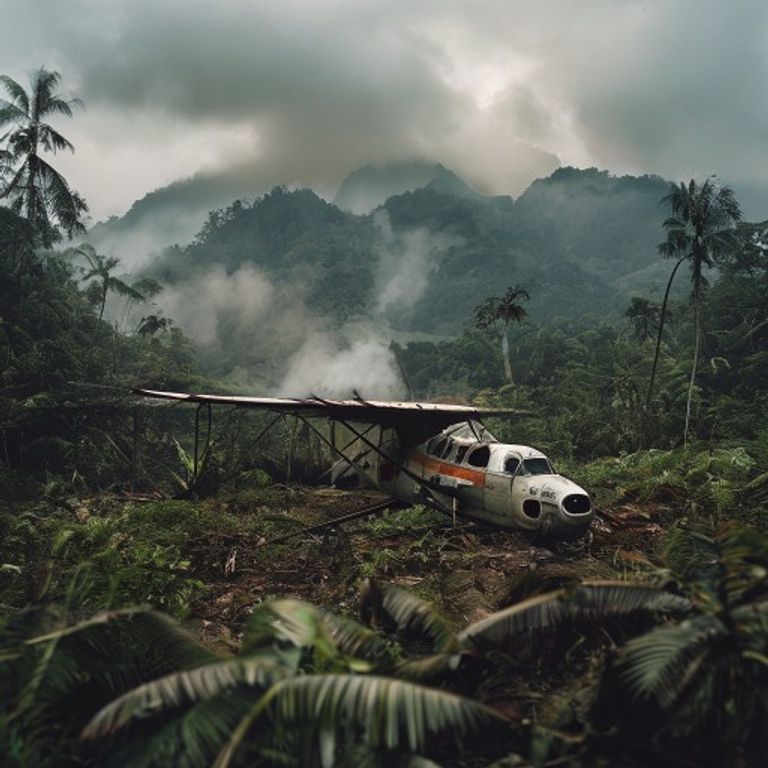
Escalation in Papua: Separatist Rebels Claim Attack on American Pilot and Civilian Aircraft
The conflict in Papua, Indonesia, has taken a volatile and alarming turn. The West Papua National Liberation Army (WPNLA), a separatist group actively fighting for independence from Indonesian rule, has issued a grave claim that marks a significant escalation in the region’s decades-long, low-level insurgency. According to reports surfacing this week, rebel forces assert that they have killed an American pilot and destroyed a civilian aircraft, alleging that the plane was being utilized to transport Indonesian military personnel.
This incident, which has sent shockwaves through international diplomatic circles, serves as a stark reminder of the fragile security situation in the Indonesian province. As NewsMatrix reports, while authorities have confirmed that a civilian aircraft was indeed discovered in a burned state, they have remained cautious, stating that they could not immediately verify the claims regarding the pilot’s death or the alleged military utilization of the flight.
A History of Conflict
To understand the gravity of this event, it is necessary to examine the historical context of the Papuan insurgency. Papua, which occupies the western half of the island of New Guinea, has been a site of tension since its formal incorporation into Indonesia in the 1960s. The region is rich in natural resources, particularly gold and copper, yet it remains one of the poorest and most marginalized areas in the country. For generations, the indigenous Papuan population has sought self-determination, leading to the formation of various separatist groups, including the WPNLA.
The insurgency has largely been characterized by low-level, sporadic violence—ambushes, small-scale attacks on infrastructure, and clashes between rebels and Indonesian security forces. However, targeting international citizens and civilian aviation represents a tactical shift that complicates the conflict significantly. Historically, foreign nationals, including pilots working for humanitarian or transport services, have operated within the region, often serving as vital lifelines for remote communities where road access is non-existent.
The Rebels’ Assertion
In their statement, the WPNLA framed the attack not merely as a military operation, but as a deliberate political message aimed at both the Indonesian government and the United States. By specifically targeting an American pilot, the rebels appear to be seeking international attention, attempting to bring the world’s focus back to their cause. The allegation that the aircraft was ferrying military personnel is central to their justification, as the rebels accuse the Indonesian military of utilizing civilian transport to bypass security measures or move troops into contested areas under the guise of commercial operations.
If these allegations are proven, it would suggest a new level of intelligence gathering by the WPNLA and a hardening of their rules of engagement. By intentionally endangering foreign nationals, the separatist group is testing the resolve of international actors who have historically remained largely hands-off regarding the situation in Papua.
Official Response and Uncertainties
Indonesian authorities are currently navigating a sensitive situation. The confirmation that a civilian plane has been destroyed in a remote area places significant logistical burdens on investigators. Furthermore, the inability to immediately verify the status of the pilot creates a vacuum of information that is being filled by speculation and fear. Officials have emphasized that they are working to secure the area and conduct a thorough investigation, while simultaneously warning that any such act of violence is unacceptable.
For NewsMatrix readers monitoring this situation, it is important to distinguish between confirmed facts and propaganda. In asymmetrical warfare, information is often used as a weapon. The WPNLA is clearly aware that claiming to have killed an American pilot will generate significantly more international headlines than a routine clash between rebels and soldiers. Whether this claim is a reflection of reality or a psychological operation remains to be seen.
The Regional Impact
This incident threatens to undermine ongoing humanitarian efforts in the region. Papua is notoriously difficult to navigate, and air transport is the only viable method for delivering medical supplies, food, and essential services to remote mountainous villages. Should aviation companies decide that the risk to their pilots is too high, it will be the civilian population of Papua that suffers the most. The insurgency has already led to the displacement of thousands of villagers, and any restriction on air travel will only exacerbate the humanitarian crisis.
Furthermore, this development poses a diplomatic challenge for Indonesia. The international community, including the United States, has repeatedly urged both the Indonesian government and separatist groups to seek a peaceful, political resolution to the conflict. The targeting of an American citizen could trigger a demand for a more robust investigation and pressure on Jakarta to address the underlying issues of human rights and governance in the region.
What Happens Next?
As the situation unfolds, several questions remain at the forefront:
- Will international organizations, such as the UN, intervene or call for an independent investigation into the incident?
- How will the Indonesian military respond? There are fears that this could lead to a large-scale security crackdown in the affected areas, potentially further alienating the local population.
- Can the WPNLA maintain its internal cohesion, or will this attack fracture the rebel movement?
At NewsMatrix, we will continue to provide updates on this developing story as more information becomes available. The intersection of local separatist demands and international stakes is a delicate situation that requires careful monitoring. For now, the focus remains on the safety of those operating in the region and the verification of the reports coming out of the remote highlands of Papua.
The conflict in Papua is long-standing, and this latest incident is a reminder that without a comprehensive political approach, the cycle of violence will continue to affect both the people of Indonesia and the international community. Security experts suggest that until the root causes of the insurgency—including concerns over economic disparity and political autonomy—are meaningfully addressed, the risk of further escalation remains high.
Stay tuned to NewsMatrix for further reporting on this critical development as investigators piece together the timeline and reality behind the claims of the West Papua National Liberation Army.