
 By NewsMatrix
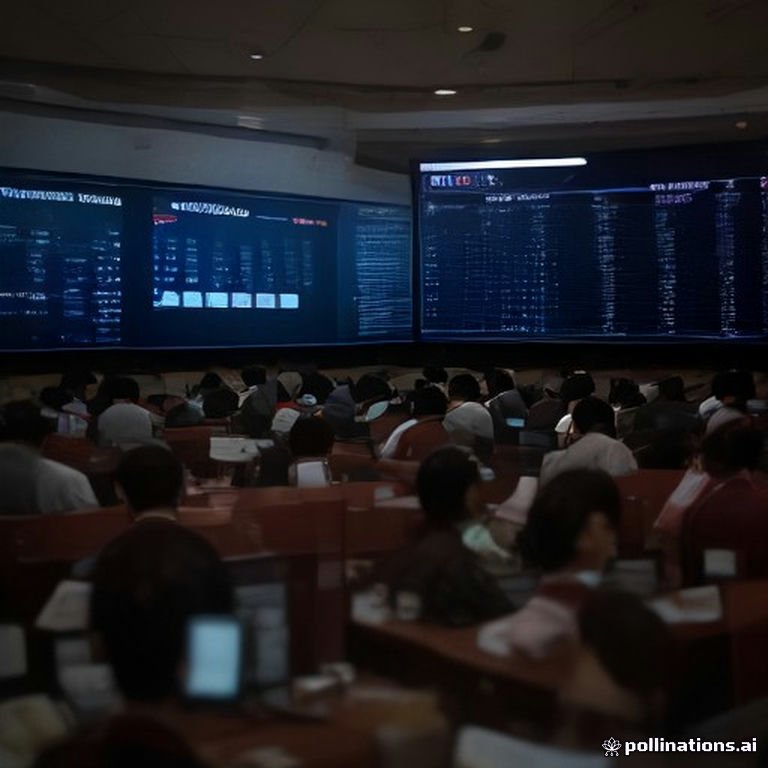
Muhurat Trading 2083: Auspicious Beginnings and Market Optimism
As the Diwali festivities illuminate homes and hearts across India, the financial markets prepare for a time-honored tradition: Muhurat Trading. Scheduled for Sunday, November 8, this special one-hour trading session doesn’t just mark the symbolic opening of the Hindu New Year, Samvat 2083; it signals a profound blend of cultural reverence and fervent investor optimism. This year’s session arrives against a backdrop of robust market performance, fueled by significant foreign investments and bolstered by encouraging domestic economic indicators. Financial analysts are advocating a strategic approach for the coming year, emphasizing a focus on quality stocks and maintaining disciplined asset allocation to navigate the evolving market landscape. NewsMatrix delves into the significance of this event, the factors shaping current market dynamics, and the outlook for Samvat 2083.
The Cultural Tapestry of Muhurat Trading
Muhurat Trading is far more than a mere ceremonial event; it is a deeply ingrained cultural practice rooted in centuries of tradition and belief. Derived from the Sanskrit word “Muhurat,” meaning an auspicious time, this trading session is observed on the evening of Diwali, the Festival of Lights. For Hindu traders and investors, Diwali signifies the beginning of a new financial year, and engaging in trading during this propitious hour is believed to bring prosperity and wealth throughout the year. It’s a moment when business leaders, brokers, and individual investors offer prayers to Lakshmi, the goddess of wealth, seeking blessings for a prosperous Samvat.
Historically, this session provided a small window for traders to settle their books and open new ones, maintaining a link between traditional accounting practices and modern financial markets. Today, while the practical necessity for bookkeeping has evolved, the symbolic importance endures. It serves as a psychological anchor, reinforcing investor confidence and connecting the ancient wisdom of auspicious timings with the fast-paced world of contemporary finance. This unique confluence of faith and finance underscores the distinctive character of India’s capital markets.
A Glimpse into the Current Market Landscape
Leading up to Muhurat Trading for Samvat 2083, major Indian indices have demonstrated remarkable resilience and growth, experiencing strong rallies that have captivated market participants. This buoyant sentiment is largely attributable to a confluence of favorable factors. Foreign Institutional Investors (FIIs) have shown sustained confidence in the Indian growth story, pouring substantial capital into various sectors. This inflow of foreign funds acts as a critical catalyst, providing liquidity and driving up valuations across the board.
Alongside foreign investments, robust domestic buying, particularly from Domestic Institutional Investors (DIIs) and retail participants through mutual funds and direct equity, has provided a strong foundation. This broad-based participation reflects a maturing market and an increasing appetite for equity investments among Indian households. Sectors like banking and financial services, capital goods, infrastructure, and select manufacturing companies have been at the forefront of these rallies, indicating a broad economic recovery and expansion. The consistent performance of these bellwether sectors often dictates overall market sentiment and investor outlook.
Driving Forces: Economic Indicators and Global Dynamics
The underlying strength of the Indian economy has been a primary driver of market optimism. Stable domestic economic indicators paint a picture of resilience and potential for sustained growth. India has continued to demonstrate robust GDP growth rates, positioning itself as one of the fastest-growing major economies globally. Furthermore, efforts to manage inflation, coupled with prudent fiscal policies, have instilled confidence among investors regarding macroeconomic stability. Corporate earnings have shown healthy trajectories, often surpassing expectations in various quarters, reflecting improving business fundamentals and consumer demand. Government initiatives aimed at boosting manufacturing, infrastructure development, and digital transformation have also contributed significantly to this positive outlook.
While domestic factors are paramount, the Indian market is not entirely immune to global dynamics. International events such as shifts in global interest rates, geopolitical tensions, and fluctuations in commodity prices, particularly crude oil, continue to cast their shadow. However, India’s comparatively insulated domestic demand, coupled with proactive policy measures, has often allowed it to weather global headwinds more effectively than some of its peers. The stability of the Indian Rupee against major global currencies, alongside healthy foreign exchange reserves, further strengthens the country’s economic resilience in a volatile global environment.
Investor Sentiment and Expectations for Samvat 2083
The prevailing investor sentiment for Samvat 2083 is largely optimistic, underpinned by several structural tailwinds specific to India. The country’s favorable demographics, with a large and young working-age population, promise sustained consumption demand and a growing labor force. Increased disposable incomes, urbanization, and a burgeoning middle class are expected to continue driving demand across diverse sectors, from consumer durables to financial services. The government’s unwavering focus on infrastructure development, including roads, railways, and digital connectivity, is not only improving logistics but also creating significant economic multipliers and investment opportunities.
Emerging trends such as the push towards green investments, renewable energy, and the rapid expansion of the digital economy are also generating new avenues for growth. India’s startup ecosystem continues to thrive, attracting venture capital and fostering innovation, which in turn contributes to job creation and economic vibrancy. Investors are increasingly looking at themes aligned with these long-term structural shifts, seeking companies poised to benefit from India’s trajectory towards becoming a global economic powerhouse.
- Resilience of Indian Economy: A proven track record of navigating global crises and maintaining growth momentum.
- Growing Domestic Participation: Increased financial literacy and accessibility leading to higher retail and institutional investment.
- Policy Support and Reforms: Government initiatives fostering a conducive environment for business and investment.
- Digital Transformation: Rapid adoption of technology across sectors, enhancing efficiency and creating new business models.
- Infrastructure Push: Large-scale investment in physical and digital infrastructure driving economic activity.
Analyst Perspectives: Navigating the Year Ahead
As investors prepare to embark on Samvat 2083, financial analysts universally recommend a strategic and disciplined approach. A key piece of advice revolves around focusing on “quality stocks.” This entails identifying companies with strong fundamentals, robust balance sheets, consistent earnings growth, competitive advantages, and experienced management teams. In an environment where valuations in some segments might appear stretched, discerning investors will seek out businesses that can deliver sustainable returns regardless of short-term market fluctuations. Quality often implies resilience and the ability to compound wealth over the long term.
Equally crucial is maintaining “disciplined asset allocation.” This strategy involves diversifying one’s investment portfolio across various asset classes, such as equities, debt, gold, and real estate, based on individual risk tolerance, financial goals, and investment horizon. Asset allocation helps mitigate risks by ensuring that not all investments are susceptible to the same market movements. Regular rebalancing of the portfolio—adjusting the allocation back to the target percentages—is also vital to ensure it remains aligned with one’s objectives and market conditions. For the upcoming year, experts suggest reviewing existing portfolios to ensure they are robust enough to withstand potential volatility while capturing growth opportunities.
- Focus on Fundamentals: Prioritize companies with strong balance sheets, consistent earnings, and clear growth drivers.
- Diversify Across Asset Classes: Spread investments to manage risk and capture opportunities in various market segments.
- Stay Informed and Patient: Monitor market developments but avoid impulsive decisions based on short-term noise.
- Review and Rebalance Periodically: Adjust portfolio allocations to align with financial goals and market shifts.
- Consider Long-Term Growth Themes: Invest in sectors and companies benefiting from India’s structural growth story.
Sectoral Outlook: Opportunities and Challenges
For Samvat 2083, several sectors appear poised for sustained growth. The banking and financial services sector is expected to benefit from credit growth, improving asset quality, and increased digitalization of services. Infrastructure and capital goods companies are set to gain from the government’s continued focus on large-scale projects. The IT services sector, despite global headwinds, continues to be a strong contender due to India’s competitive advantage in technology and digital exports. Consumer discretionary companies could see tailwinds from rising disposable incomes and festive demand.
However, challenges persist. Global economic slowdowns could impact export-oriented sectors. Persistent inflationary pressures, if not managed effectively, could erode consumer purchasing power. Regulatory changes, both domestic and international, always present a potential for disruption. Therefore, investors are advised to conduct thorough research and exercise caution, understanding that even in an optimistic market, risks are inherent.
The Role of Technology in Modern Muhurat Trading
The landscape of Muhurat Trading, like all aspects of financial markets, has been profoundly transformed by technology. The ritual, once primarily executed on physical trading floors, is now largely conducted through sophisticated digital platforms. This technological evolution has democratized access to markets, allowing a broader spectrum of investors, including those in smaller towns and cities, to participate with unprecedented ease. Mobile trading applications, high-speed internet, and user-friendly interfaces have made it possible for millions to engage in the auspicious trading session from anywhere.
Furthermore, advanced analytics, artificial intelligence, and algorithmic trading are increasingly influencing investment strategies. While traditional sentiment still plays a role, data-driven decisions are becoming paramount. These technological advancements enhance efficiency, speed, and accuracy, but also necessitate a higher degree of cyber-security awareness and digital literacy among market participants. As Samvat 2083 unfolds, technology will continue to be a pivotal factor in shaping how investors interact with and extract value from the markets.
Conclusion: Charting a Course for Samvat 2083
Muhurat Trading on November 8, ushering in Samvat 2083, is more than just a ceremonial market opening; it is a moment of reflection and renewed aspiration for India’s financial community. The prevailing optimism, bolstered by robust economic indicators and substantial foreign and domestic investment inflows, sets a promising stage for the year ahead. While the cultural significance provides a comforting backdrop, the emphasis remains on prudent financial strategies.
As investors navigate the complexities of the global and domestic economies, the guidance from analysts to focus on quality stocks and adhere to disciplined asset allocation will be crucial. Samvat 2083 holds the potential for continued growth and prosperity, but success will ultimately hinge on informed decision-making, careful risk management, and a long-term perspective. NewsMatrix will continue to monitor these developments, providing insights to help you make sense of the dynamic world of finance.