
 By NewsMatrix
Unrest in the Capital: Protests Mount Over Alleged Electoral Roll Irregularities
In a significant display of public dissent, Delhi witnessed fervent protests on October 10, led by activist Neha Bora and supported by the Cockroach Janta Party (CJP) alongside various student organisations. These demonstrations specifically targeted Chief Election Commissioner (CEC) Gyanesh Kumar, raising serious allegations concerning irregularities in the ongoing Special Intensive Revision (SIR) of electoral rolls. The protests, which saw a considerable turnout, culminated in several detentions, including that of Bora, as authorities enforced restrictions on public gatherings across parts of the capital. These events underscore growing concerns among a section of the populace regarding the integrity and transparency of the electoral process, especially as India prepares for upcoming crucial elections. The focus keyword, Electoral Roll Irregularities, encapsulates the core grievance driving these agitations, highlighting a demand for accountability from the nation’s highest election authority.
The October 10 Demonstration: A Cry for Electoral Integrity
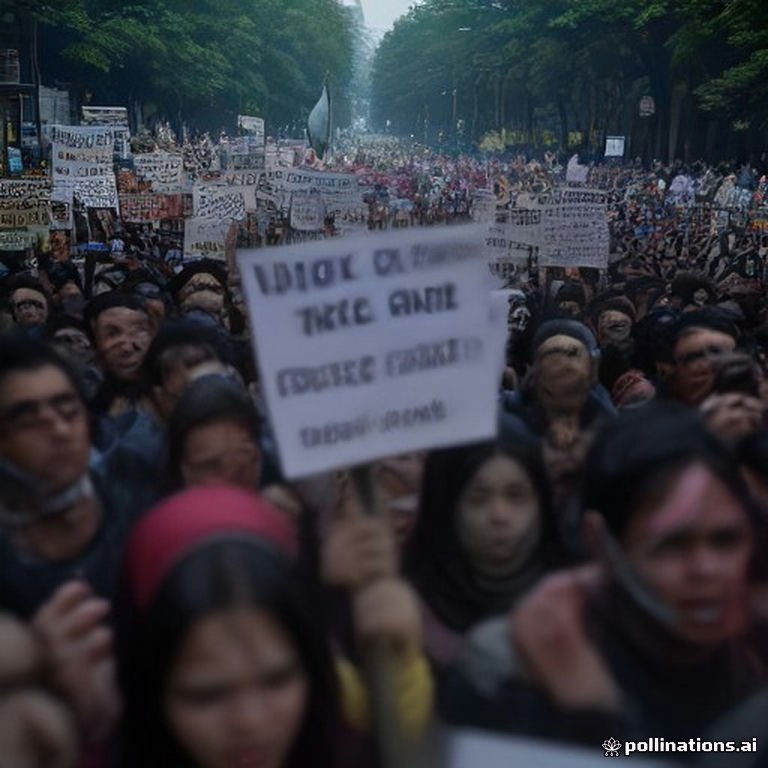
The streets of Delhi became a focal point of democratic expression as hundreds gathered on October 10, responding to calls from the Cockroach Janta Party (CJP) and a coalition of student groups. Organised in the heart of the capital, the protest aimed to draw immediate attention to what organisers described as systemic flaws and suspicious anomalies within the Special Intensive Revision (SIR) of electoral rolls. Participants carried placards echoing demands for fair elections, transparency from the Election Commission of India (ECI), and an urgent redressal of alleged discrepancies. Neha Bora, a prominent voice in the movement, addressed the crowds, articulating fears of potential disenfranchisement and the erosion of voter confidence should these irregularities remain unaddressed. Her impassioned speech resonated, underscoring the vital role of accurate electoral rolls in safeguarding democratic principles.
The demonstration, initially peaceful, escalated as police moved to enforce existing restrictions on public gatherings. In a tense standoff, law enforcement officials detained several protesters, including Neha Bora, citing violations of prohibitory orders under Section 144 of the Criminal Procedure Code. These detentions drew swift condemnation from civil rights activists and opposition parties, who argued that such actions stifle legitimate democratic dissent. Eyewitnesses reported a heavy police presence, indicating authorities’ determination to maintain order amidst the unrest. The incident has reignited debates surrounding the right to protest and the balance between public order and freedom of expression in a democratic society. The CJP, in a statement released post-detention, vowed to continue their struggle, emphasizing that the detentions would only strengthen their resolve to fight for electoral fairness.
Understanding the Special Intensive Revision (SIR) of Electoral Rolls
At the heart of the current controversy is the Special Intensive Revision (SIR) of electoral rolls, a crucial exercise undertaken by the Election Commission of India to ensure the accuracy and completeness of voter lists. This periodic revision involves several stages: house-to-house verification, receipt of claims and objections, special camps for voters, and ultimately, the final publication of the revised electoral roll. The process is designed to include eligible voters who may have been omitted, remove deceased or duplicate entries, and update particulars of electors. The integrity of SIR is paramount, as an accurate electoral roll is the bedrock of free and fair elections. Any perceived or actual irregularity in this process can severely undermine public trust and raise questions about the legitimacy of election outcomes.
Allegations of irregularities during SIR can manifest in various forms. These often include the arbitrary deletion of names of genuine voters, particularly those from marginalised communities or specific political affiliations, without proper verification or due process. Conversely, there can be claims of fraudulent inclusion of ineligible voters, duplicate entries, or entries with incorrect demographic details. Such errors, whether intentional or accidental, have significant implications for the democratic process. They can alter election results, suppress voter turnout, and foster a sense of disenfranchisement among the citizenry. The current wave of protests suggests that the concerns extend beyond isolated incidents, pointing towards broader systemic issues that demand thorough investigation and transparent resolution from the Election Commission.
Chief Election Commissioner Gyanesh Kumar Under Scrutiny
The protests directly implicating Chief Election Commissioner (CEC) Gyanesh Kumar highlight the immense responsibility vested in his office. As the head of the Election Commission of India, the CEC is tasked with supervising, directing, and controlling the preparation of electoral rolls and the conduct of all elections to Parliament and State Legislatures. The office demands absolute impartiality, transparency, and a steadfast commitment to upholding the constitutional mandate of free and fair elections. When allegations of irregularities surface, especially concerning a fundamental process like electoral roll revision, the CEC’s credibility and the ECI’s institutional integrity come under intense public and political scrutiny.
Critics argue that the current administration of the Election Commission, under CEC Gyanesh Kumar, has not been sufficiently proactive or transparent in addressing the raised concerns. The lack of public clarification or robust mechanisms for addressing grievances effectively has fueled suspicion and mistrust. While the ECI routinely issues guidelines and directives for the SIR process, the implementation at the ground level and the efficacy of oversight mechanisms are now being questioned. The demands from protesters and opposition groups are not merely for an explanation but for concrete actions, including independent audits of the electoral rolls and greater public participation in the verification process, to restore faith in the institution.
The Role of the Cockroach Janta Party (CJP) and Student Groups
The involvement of the Cockroach Janta Party (CJP) and various student groups in these protests underscores the broad-based nature of the discontent. The CJP, while not a mainstream political party, has carved a niche for itself by advocating for electoral reforms and greater accountability in governance. Their mobilisation efforts, combined with the energetic activism of student bodies, have provided a strong platform for citizens to voice their concerns. Student groups often serve as the conscience of a nation, bringing youthful idealism and a passion for justice to critical issues. Their participation signals a profound concern for the future of democratic institutions among the younger generation, who will be most affected by the long-term implications of electoral integrity.
The alliance between a political party (even a smaller one) and student organisations is particularly potent. It allows for a fusion of structured political advocacy with grassroots energy and outreach. For the CJP, this provides an opportunity to amplify their message and gain public traction on an issue of national importance. For student groups, it offers a channel to translate their civic engagement into tangible action and demand accountability from those in power. Their unified front against alleged electoral roll irregularities adds significant weight to the protest movement, making it harder for authorities to dismiss the grievances as isolated or politically motivated. This synergy highlights a burgeoning civil society movement determined to protect the sanctity of the ballot box.
Broader Implications for Indian Democracy
The allegations surrounding electoral roll irregularities and the subsequent protests carry significant implications for the health of Indian democracy. The credibility of the electoral process is the cornerstone of any democratic system. If citizens lose faith in the fairness of elections, it can lead to widespread apathy, cynicism, and potentially, social unrest. An accurate and inclusive electoral roll ensures that every eligible citizen has the right to vote, and conversely, that ineligible individuals do not participate, thereby reflecting the true will of the electorate.
The current scenario also underscores the challenges faced by independent institutions like the Election Commission. Maintaining public trust while navigating complex political landscapes and managing vast logistical operations is a continuous balancing act. Allegations of bias or incompetence, whether substantiated or not, chip away at the institutional legitimacy, which is difficult to rebuild. For a country as diverse and populous as India, where elections are often massive undertakings, any shadow of doubt over the electoral rolls can have cascading effects on governance, political stability, and international perception.
Furthermore, these protests serve as a powerful reminder of the active role civil society and vigilant citizens play in holding democratic institutions accountable. In a vibrant democracy, the ability of citizens to peacefully protest and question authorities is not just a right but a vital mechanism for checks and balances. The detentions on October 10, while legal under specific public order restrictions, also highlight the delicate balance between maintaining law and order and protecting fundamental freedoms.
Moving Forward: Demands for Transparency and Accountability
As the dust settles from the October 10 protests, the demands for greater transparency and accountability from the Election Commission of India remain front and center. Activist Neha Bora and the Cockroach Janta Party, along with student groups, are unlikely to relent until their concerns about the Special Intensive Revision of electoral rolls are thoroughly addressed. Their demands include a comprehensive, independent audit of the electoral rolls, public disclosure of the methodologies used for deletions and additions, and a more robust and accessible grievance redressal system for voters.
The onus is now on Chief Election Commissioner Gyanesh Kumar and the ECI to engage constructively with the concerns raised. A proactive approach, involving open dialogue with stakeholders, transparent sharing of data (where permissible), and a commitment to investigating all credible allegations, will be crucial in restoring public confidence. Ignoring or downplaying the protests could exacerbate the situation, potentially leading to larger and more frequent demonstrations as the nation moves closer to significant election cycles. The future of Indian democracy hinges on the unwavering integrity of its electoral process, and the current protests serve as a critical alarm bell that cannot be overlooked.
Conclusion: The Enduring Quest for Fair Elections
The recent protests in Delhi, spearheaded by figures like Neha Bora and supported by the CJP and student organisations, signify a critical moment in India’s democratic journey. The widespread agitation against Chief Election Commissioner Gyanesh Kumar over alleged Electoral Roll Irregularities in the Special Intensive Revision reflects a deep-seated public desire for an electoral system beyond reproach. While the detentions of protesters on October 10 underscore the challenges inherent in public dissent, they also highlight the unwavering commitment of many to safeguard the purity of the ballot box. As India, the world’s largest democracy, continues its quest for truly free and fair elections, the transparency and integrity of its electoral rolls will remain paramount, serving as a constant litmus test for its democratic health and resilience. The dialogue between citizens and the electoral body, albeit sometimes contentious, is essential for the continuous evolution and strengthening of democratic principles.