
 By NewsMatrix
Tragedy Strikes Amreli: Two Farm Labourers Killed in Vehicle Fire Over Payment Dispute Ignites Community Outcry
Amreli, Gujarat – In a chilling incident that has sent shockwaves across the tranquil rural landscape of Amreli, Gujarat, two young farm labourers tragically lost their lives in the early hours of a recent morning, when their makeshift sleeping quarters – a parked vehicle – was deliberately set ablaze. The horrific Amreli vehicle fire, believed to be the result of a simmering payment dispute, has led to the swift arrest of two suspects, bringing a somber focus to the often-overlooked vulnerabilities of daily wage earners in India’s vast agricultural heartland. The brutal nature of the deaths has ignited a wave of outrage and grief within the local community, prompting a robust response from law enforcement and a wider discussion on labourer safety and dispute resolution in informal sectors.
The incident, unfolding under the cloak of darkness, has laid bare the stark realities faced by millions who contribute tirelessly to the nation’s food security but often operate without adequate protections. As investigations deepen, the tragic event serves as a poignant reminder of the potential for escalating tensions when financial disagreements are left unaddressed, particularly in a context where economic disparities and informal labour arrangements are prevalent. This comprehensive report delves into the details of the incident, the swift police response, the community’s reaction, and the broader implications for agricultural labour in India.
The Horrific Incident Unfolds in the Early Hours
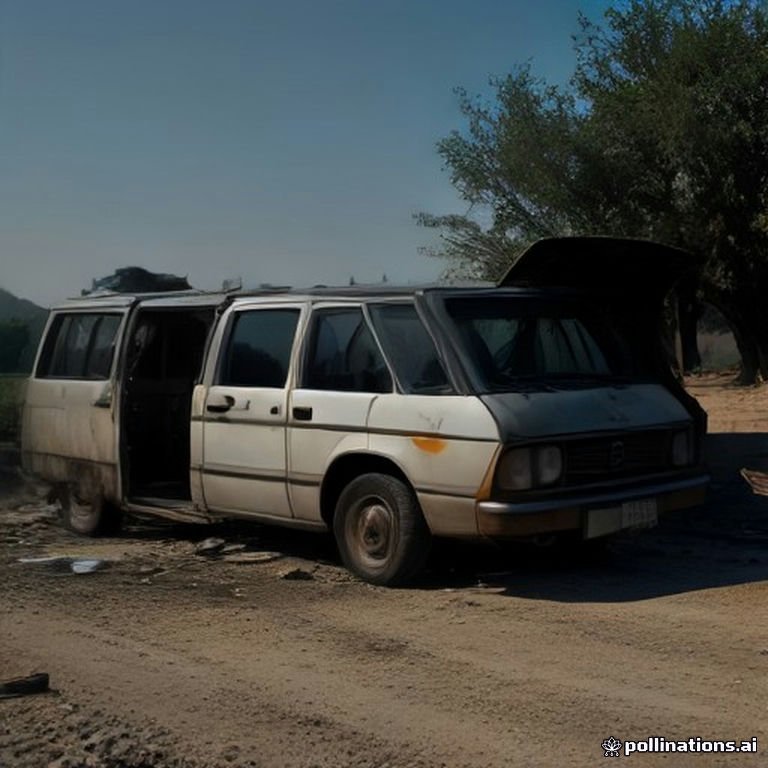
The dawn of a recent day brought not light, but the devastating sight of a burning vehicle on the outskirts of Amreli, a district renowned for its agricultural produce and a significant contributor to Gujarat’s agrarian economy. Local residents, whose peaceful morning routines were shattered by the ominous glow and thick plumes of smoke emanating from the vehicle, immediately notified authorities. The emergency call, received in the pre-dawn hours, mobilized fire brigades and local police to the scene with urgency.
Upon their arrival, fire service personnel worked tirelessly to douse the raging inferno, battling fierce flames that had engulfed the entire van. As the fire was brought under control and the smoke began to clear, the grim reality of the situation became agonizingly apparent. Inside the charred remains of the vehicle were the bodies of two individuals, later identified as young farm labourers, aged just 16 and 21 years old. Their identities, though not officially released publicly, were known within the close-knit local community, deepening the sense of personal loss and collective grief.
A Common Practice Turned Deadly
Police sources confirmed that the victims were sleeping inside the vehicle, a common and often necessary practice for transient labourers who migrate for work and often use their transport as temporary shelter near their workplaces. This arrangement, while economical, exposes them to significant risks, as tragically demonstrated by this incident. The van, which served as both transport and lodging, became a death trap when deliberately ignited, leaving the young men no chance of escape.
The sudden and brutal nature of their deaths has deeply disturbed the community and prompted immediate and rigorous investigation by the Amreli Police Department. Forensic teams were quickly dispatched to the scene, meticulously sifting through the debris for clues that could shed light on the perpetrators and the precise sequence of events leading to this horrific act. The scene was cordoned off, and a detailed examination was undertaken to gather crucial evidence, including samples of accelerants, tire marks, and any other physical traces left behind.
Investigation and Swift Apprehension of Suspects
The Amreli Police Department wasted no time in launching a full-scale investigation, treating the case with the utmost seriousness. Given the clear signs of foul play and and the tragic loss of life, multiple teams were formed, and leads were pursued aggressively. Preliminary investigations, bolstered by forensic findings and local intelligence, quickly pointed towards a deliberate act of arson with homicidal intent. The presence of a highly flammable liquid, suspected to be petrol, was a key early finding, corroborated by forensic analysis of the burnt remains.
Eyewitness accounts, though sparse given the early hour, proved crucial. Some residents reported seeing suspicious activity in the vicinity just before the fire erupted, providing valuable leads that allowed investigators to narrow down their search. Leveraging their network of informants and conducting rapid interviews with local residents and other labourers, police began to piece together a narrative that pointed towards a specific motive and potential culprits.
Payment Dispute Identified as Motive
Within a remarkably short span of hours following the discovery of the bodies, police successfully apprehended two individuals in connection with the crime. While their full identities have been withheld pending formal charges and further investigation, authorities have indicated that the motive behind this heinous act appears to be a long-standing and bitter payment dispute involving the vehicle itself. Sources close to the investigation suggest that the disagreement was over money related to the ownership or usage of the van, escalating from verbal altercations to this extreme act of violence.
Senior police officials addressing the media stated that the swift arrests were a result of collaborative efforts between various units, including the Local Crime Branch (LCB) and Special Operations Group (SOG), and crucial intelligence gathered from the local community. “We acted quickly on credible leads, and the evidence collected thus far strongly points towards a pre-planned attack stemming from a financial disagreement,” stated a senior police official. “Our priority remains to ensure justice for the victims and to maintain peace and order in the region. Further investigations are underway to establish every detail of the conspiracy and execution.”
Further allegations against the suspects, revealed during initial questioning, included their alleged procurement of cans filled with petrol just prior to the incident. This detail underscores the premeditated nature of the crime, suggesting a deliberate intent to cause harm and destruction, a factor that will undoubtedly play a significant role in the forthcoming legal proceedings. The collection of this specific evidence, alongside other circumstantial and direct proofs, will be critical in building a robust case against the accused.
A Community in Mourning and the Plight of Farm Labourers
The tragedy has cast a profound pall of gloom over Amreli, a district whose economic lifeline is deeply intertwined with agriculture. The victims, young and with lives full of promise, were integral, albeit unheralded, to the local farming ecosystem. Their untimely and gruesome deaths have highlighted, in the most tragic way possible, the precarious and often dangerous existence of many farm labourers who toil tirelessly for meager wages, often far from their homes and familial support systems.
Vulnerability and Exploitation in the Informal Sector:
- Migratory Lifestyles: Many farm labourers are migratory, moving from one region to another in search of work, often living in temporary, inadequate accommodations like the vehicle in this incident.
- Dependence on Daily Wages: Their reliance on daily or seasonal wages makes them highly susceptible to financial exploitation, delayed payments, or outright denial of dues.
- Lack of Formal Contracts: The absence of formal employment contracts leaves them vulnerable, with little legal recourse in case of disputes.
- Isolated Work Environments: Often working in remote or rural areas, they may lack access to formal legal aid, social support networks, or even timely emergency services.
- Power Imbalances: Significant power imbalances between labourers and employers or vehicle owners can lead to disputes being resolved through intimidation or violence rather than formal channels.
Local community leaders, social workers, and labour rights activists have expressed profound sorrow and outrage. “These young men were just trying to make an honest living, dreaming of a better future for themselves and their families,” remarked a prominent village elder. “For their lives to be cut short in such a brutal manner over money is unfathomable. It exposes the harsh realities faced by many who work the land, feeding our nation while often remaining invisible and unprotected.”
The incident has also sparked urgent discussions about worker safety, fair wage practices, and the critical need for effective mechanisms for resolving payment disputes in India’s vast informal sector. Advocates are calling for greater legal protections for labourers, the establishment of more accessible and efficient grievance redressal systems, and increased awareness campaigns to inform both workers and employers of their rights and responsibilities, all aimed at preventing such tragic outcomes in the future.
Broader Implications and the Path to Justice
The Amreli vehicle fire case serves as a stark and distressing reminder of the escalating tensions that can arise from financial disagreements, particularly when compounded by socio-economic vulnerabilities and a lack of formal dispute resolution avenues. While the specific details of the payment dispute remain under wraps as the investigation progresses, the alleged premeditation involving the procurement of petrol and the deliberate act of arson underscores the extreme desperation or malice that can drive individuals to commit such horrific acts.
The swiftness of the arrests offers a glimmer of hope for justice, but the legal battle ahead will be complex. The suspects are expected to face grave charges, including murder (under Section 302 of the Indian Penal Code), arson (under Section 436 IPC), and other relevant sections, depending on the evidence presented. The legal proceedings will be closely watched, not just by the affected families and the grieving Amreli community, but by human rights organizations and labour unions nationwide, who are keen to ensure that justice is not only served transparently but also seen to be served as a deterrent against similar crimes.
Challenges and Opportunities in Ensuring Justice:
- Thorough Investigation: Ensuring every piece of evidence is collected, analyzed, and presented meticulously to build an unassailable case.
- Fair Trial: Guaranteeing a fair and impartial trial for the accused, upholding due process and legal rights.
- Victim Support: Providing comprehensive support to the victims’ families, including financial aid, psychological counseling, and legal assistance, recognizing their immense loss.
- Addressing Systemic Issues: Beyond individual justice, the incident calls for a critical examination of systemic issues contributing to labourer vulnerability and informal dispute resolution mechanisms.
- Strengthening Labour Laws: A renewed focus on strengthening and enforcing existing labour laws, and potentially introducing new protective measures for informal sector workers.
The incident also prompts a broader examination of law enforcement’s role in mediating or preventing disputes that have the potential to escalate into violence. Community policing initiatives, where local police actively engage with residents to understand and address underlying tensions, alongside early intervention strategies, are often cited as crucial in preventing such tragedies in rural areas. There is an urgent need for greater collaboration between police, local administration, and community leaders to identify and defuse potentially volatile situations before they erupt into irreversible tragedies.
As the legal process unfolds, the tragic deaths in Amreli stand as a powerful testament to the urgent need for a more equitable and just society, one where the lives and dignity of all individuals, regardless of their economic status or profession, are respected and protected. The focus must extend beyond immediate punitive measures to addressing the root causes of such violence, fostering environments where disputes are resolved peacefully and human lives are held paramount.
Conclusion: A Call for Justice and Enhanced Protection
The brutal deaths of two young farm labourers in an Amreli vehicle fire have profoundly underscored the deep-seated issues of worker vulnerability, informal labour exploitation, and the tragic consequences of unresolved disputes. With two suspects apprehended and a comprehensive investigation well underway, the focus now shifts unequivocally to the pursuit of justice for the victims and their grieving families. This devastating event serves as a stark reminder of the imperative to strengthen protections for the millions of informal sector workers who form the bedrock of India’s economy.
The Amreli community, and indeed the entire nation, watches closely, hoping for swift and exemplary justice, and a renewed commitment from authorities and society at large to uphold the safety and dignity of all its citizens, particularly those who toil in the most challenging and often invisible conditions. The tragedy must galvanize efforts to implement more robust labour laws, create accessible dispute resolution mechanisms, and foster a culture where human life is valued above all else, ensuring that such a horrifying incident is never repeated.