
 By NewsMatrix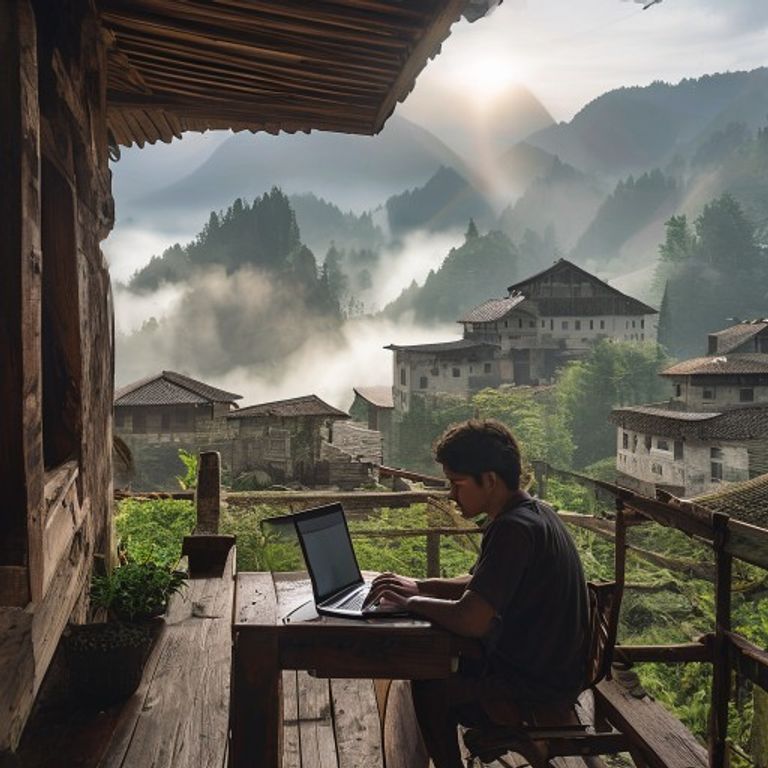
The Great Reverse Migration: How India’s Digital Nomads are Reshaping Rural Landscapes
For decades, the narrative of modern India has been defined by the rural-to-urban exodus. Generations of ambitious youth, fueled by the promise of corporate careers and cosmopolitan lifestyles, flocked to metropolitan hubs like Bangalore, Mumbai, and Gurugram. This trend created an economic powerhouse but also led to overcrowded cities, strained infrastructure, and the quiet fading of rural villages. However, today, a seismic shift is underway. As reported by NewsMatrix, India is currently witnessing a remarkable reversal of this age-old migration pattern.
A growing demographic of young professionals—primarily millennials and Gen Z—is actively choosing to abandon the urban rat race in favor of rural and remote locales. This movement, catalyzed by the sudden normalization of remote work during the pandemic and sustained by evolving workplace philosophies, is far more than a fleeting travel trend. It is a fundamental transformation of India’s economic and social geography.
The Catalyst: Redefining the Workplace
The traditional nine-to-five office model in India faced an existential crisis in 2020. What began as a necessity quickly transformed into a revelation for millions of employees. As organizations embraced remote operations, the geographical tether that once bound professionals to expensive urban centers snapped.
For the millennial workforce, already burdened by the escalating cost of living in metros, this was an opportunity to rethink the balance between productivity and quality of life. Gen Z, with their inherent preference for flexibility and experiences over traditional institutional loyalty, accelerated this trend. For these digital nomads, the goal is no longer just a career; it is the integration of work into a lifestyle that values tranquility, fresh air, and community over traffic congestion and soaring rents.
From Metro Hubs to Remote Havens
The destinations of choice for these new pioneers are as diverse as the country itself. We are seeing a surge in professionals moving to the misty hills of Himachal Pradesh, the lush valleys of Kerala, the tranquil beaches of Goa, and even quiet, historic towns in Rajasthan. These areas, once considered peripheral to India’s growth story, are suddenly experiencing an influx of talent.
According to insights curated by NewsMatrix, this move is not merely about finding a scenic backdrop for a Zoom call. It is a conscious lifestyle choice. Young professionals are seeking to shed the stress of urban alienation. They are finding that a quieter life in a rural village—or a semi-urban town—allows for deeper focus, lower stress levels, and a stronger sense of local connectivity.
The Economic Ripple Effect
This migration is acting as a catalyst for local economic development in previously neglected regions. When professionals move to these areas, they bring with them their purchasing power, their digital skills, and a demand for infrastructure that benefits the entire community.
- Increased Local Revenue: Digital nomads contribute directly to the local economy by renting houses, utilizing local services, and supporting small-scale retailers.
- Infrastructure Development: The demand for reliable high-speed internet in these remote regions is forcing service providers to upgrade connectivity, a benefit that extends to local residents and students.
- Skill Transfer: Many of these individuals are interacting with local communities, providing mentorship, or contributing to local projects, which fosters an exchange of knowledge.
- Revitalizing Local Tourism: This influx has also led to the growth of boutique co-working spaces and homestays that cater to a modern workforce, effectively rebranding rural destinations as viable workspaces.
Overcoming Infrastructure Hurdles
The road to this decentralized future is not without its obstacles. India’s rural landscape, while breathtaking, often lacks the infrastructure that a modern professional considers basic. Connectivity remains the most significant hurdle. While 5G is rolling out rapidly, there are still pockets of the country where bandwidth is erratic. Power outages, while decreasing in frequency, are still a factor to consider.
However, the spirit of this movement is characterized by resilience. As NewsMatrix has observed, these digital nomads are often pioneers who are willing to invest in their own infrastructure—installing satellite internet kits, high-capacity power backups, and ergonomic home offices. They are not waiting for the infrastructure to arrive; they are building it themselves, effectively bridging the gap between urban standards and rural settings.
The Cultural Shift: A New Definition of Success
Perhaps the most profound change being observed is in the definition of professional success. For years, being a successful professional in India was synonymous with a cabin in a skyscraper in a major city. Today, that definition is being rewritten. Success is increasingly being measured by personal well-being, the ability to work from anywhere, and the freedom to craft a personal environment that supports both professional output and mental health.
Corporations are also taking note. Recognizing that employees are often more productive and satisfied when they have autonomy over their work environment, many companies are formalizing long-term remote or hybrid work policies. This institutional support is crucial for the longevity of the reverse migration trend.
The Future of India’s Workforce
Is this trend sustainable? According to industry analysts featured on NewsMatrix, the answer is a resounding yes. As technology continues to advance, the necessity of physical presence in an office continues to diminish. The allure of the city, with its pollution and high costs, is being eclipsed by the benefits of a rural, digital-friendly existence.
This movement is not about abandoning the city entirely, but about diversifying the centers of productivity. By distributing the talent pool across the country, India is creating a more balanced economic ecosystem. Rural India is gaining access to the benefits of the digital economy, while urban India is being relieved of the pressures of over-concentration.
Conclusion: A Balanced Future
The reversal of migration patterns in India is a testament to the country’s adaptive capacity. It represents a bridge between the traditional rural roots and the digital future of work. As young professionals continue to embrace this lifestyle, the lines between urban efficiency and rural serenity will continue to blur.
At NewsMatrix, we believe this is just the beginning. The digital nomad movement is fostering a more connected, resilient, and equitable India. It is a trend that challenges the status quo and invites us to rethink not just where we work, but how we want to live. As we move forward, the success of this transition will depend on continued investment in rural connectivity and a cultural shift that continues to value flexibility and personal well-being as pillars of a modern, successful life.