
 By NewsMatrix
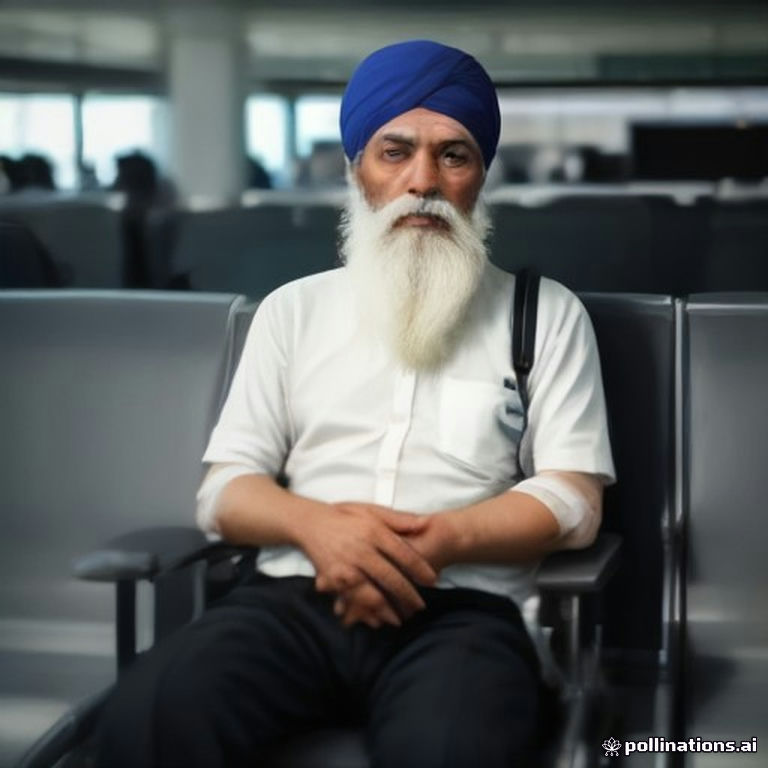
Kirpal Singh’s Air Travel Ordeal: Airlines Face Compensation Order for Wheelchair Assistance Failures
NewsMatrix exclusively reports on a landmark consumer commission ruling that has cast a stark spotlight on the critical issue of airline wheelchair assistance. In a distressing incident that unfolded across continents, Kirpal Singh, a 65-year-old disabled passenger, faced severe neglect and prolonged harassment during his international air travel from Amritsar, India, to London, UK. The ordeal, which saw Singh stranded for nearly 24 hours without the promised wheelchair support at Istanbul Airport and subsequently battling delayed luggage, culminated in a significant legal victory. Following his meticulous complaints, a consumer commission has mandated that the involved airlines pay compensation, sending a clear message about accountability in ensuring accessible and dignified travel for all passengers, regardless of their physical capabilities.
The Journey Begins: Expectations and Early Challenges
Kirpal Singh, a senior citizen relying on wheelchair assistance due to his disability, embarked on what he anticipated would be a routine journey from Amritsar, India. His travel itinerary included a crucial layover at Istanbul Airport before continuing to London. For passengers requiring special assistance, the assurance of pre-booked services, such as wheelchair support, is not merely a convenience but an absolute necessity, fundamental to their mobility, safety, and overall travel experience. Singh, like millions of other disabled travelers worldwide, had taken all necessary precautions, informing the airline well in advance of his specific needs. The expectation was a seamless transition, facilitated by trained personnel and appropriate equipment at each leg of his complex international itinerary. Unfortunately, these standard assurances of accessible air travel were soon to be severely tested, transforming a planned transit into an unforeseen and deeply distressing ordeal that would reverberate through the realms of passenger rights and airline responsibilities.
Stranded in Istanbul: A Nightmare of Neglect
The first significant lapse in service occurred upon Singh’s arrival at Istanbul Airport, a major international hub known for its extensive connections and high passenger traffic. Despite prior requests and confirmations, the crucial wheelchair assistance that Kirpal Singh depended upon was conspicuously absent. This failure immediately plunged the 65-year-old into a state of acute vulnerability. Unable to navigate the vast and bustling airport terminal independently, he found himself utterly stranded. What should have been a brief transit period stretched into an agonizing nearly 24-hour wait, devoid of the basic support he had been guaranteed. During this prolonged period, Singh faced not only immense physical discomfort but also profound emotional distress. The inability to move freely, access facilities, or even comfortably wait for extended hours took a significant toll on his health and dignity. The experience was compounded by a palpable sense of abandonment, a stark reminder of the challenges faced by disabled individuals when critical support systems fail. This period of involuntary immobility and helplessness at a foreign airport stands as the central point of his complaint, highlighting a severe dereliction of duty on the part of the airlines and their ground handling partners.
Missed Connections and Delayed Baggage: The Ripple Effect
The repercussions of the neglected airline wheelchair assistance in Istanbul extended far beyond the immediate discomfort. The almost day-long delay at the Turkish airport caused Kirpal Singh to miss his pre-booked connecting flight from London to Toronto. This cascading effect of service failure not only disrupted his entire travel plan but also incurred significant additional costs and logistical nightmares. Missing an international connection, particularly when requiring special assistance, is a deeply stressful experience, often involving complex rebooking procedures, extended waits, and uncertainty. To exacerbate his plight, upon finally reaching London, Singh discovered that his checked-in baggage had also been delayed. For any traveler, delayed luggage is an inconvenience, but for a disabled individual, it can be a critical issue. Essential medications, mobility aids, or specific clothing often contained in checked luggage become indispensable, and their absence can severely impact health, hygiene, and overall well-being. The lack of his personal belongings further compounded his distress, leaving him ill-equipped to manage the subsequent unplanned extensions to his journey. This double blow of missed flights and lost baggage transformed his travel from a mere inconvenience into a prolonged period of harassment and deprivation.
The Toll on a Vulnerable Passenger: Dignity and Health Compromised
The cumulative effect of these service failures took a severe toll on Kirpal Singh, both physically and psychologically. As a 65-year-old disabled individual, he was particularly vulnerable to the stresses of prolonged immobility, lack of proper rest, and the inability to access basic amenities. The absence of a wheelchair meant he was unable to move within the airport, access restrooms comfortably, or even procure food and water without significant difficulty and reliance on ad-hoc assistance from strangers, if available. This situation transcended mere inconvenience; it evolved into a profound violation of his dignity and an assault on his fundamental right to travel safely and comfortably. The emotional anguish of being stranded, helpless, and dependent in an unfamiliar environment for nearly 24 hours cannot be overstated. Such experiences can lead to feelings of frustration, anger, isolation, and profound sadness. The physical discomfort, compounded by the mental stress, significantly impacted his overall health and well-being, transforming his journey into a harrowing and traumatic memory. The incident underscores how critical accessible services are for vulnerable travelers and how their absence can lead to genuine harassment and suffering.
Seeking Redress: The Consumer Commission’s Intervention
Determined to hold the responsible parties accountable and to prevent similar ordeals for other disabled passengers, Kirpal Singh pursued legal recourse. He filed a formal complaint with a consumer commission, detailing the egregious failures in service, the lack of airline wheelchair assistance, the subsequent delays, and the profound harassment he endured. The commission, acting as an arbiter of consumer rights, launched a thorough investigation into the matter. It meticulously reviewed Singh’s account, examined evidence related to his booking, special assistance requests, and the airlines’ responses. The proceedings involved scrutinizing the contractual obligations of the carriers to their passengers, particularly those requiring special needs, and assessing the extent of negligence and deficiency in service. The commission’s findings were unequivocal: both airlines involved in Singh’s itinerary were found liable for their respective failures. It concluded that the lack of promised wheelchair assistance and the ensuing baggage delay constituted clear instances of service deficiency and harassment, directly contributing to Singh’s distress and losses. This judicial determination underscored the legal and ethical responsibility of airlines to uphold their commitments to all passengers, especially those requiring additional support.
Upholding Passenger Rights: A Global Perspective on Accessibility
The Kirpal Singh case resonates globally, highlighting a persistent challenge within the air travel industry: ensuring genuine accessibility and dignified treatment for disabled passengers. International aviation bodies, such as the International Air Transport Association (IATA) and various national regulatory authorities, have established guidelines and regulations mandating special assistance for passengers with reduced mobility. These guidelines cover everything from pre-booking assistance to the provision of wheelchairs, trained personnel, and accessible airport infrastructure. However, as Singh’s ordeal demonstrates, the gap between policy and practice can be vast. This case serves as a powerful reminder that while policies exist, their consistent and effective implementation is paramount. The right to travel for disabled individuals is not merely a logistical consideration; it is a fundamental human right that speaks to equality and inclusion. Airlines and airport operators have a moral and legal obligation to ensure that their services are truly accessible, preventing discrimination and fostering an environment where all passengers can travel with confidence and dignity. The commission’s ruling reinforces the principle that failures in providing essential services, particularly to vulnerable travelers, will not be tolerated and carry significant financial and reputational consequences.
- **Regulatory Compliance:** Airlines must adhere strictly to international and national regulations concerning disabled passenger assistance, ensuring continuous training for staff.
- **Seamless Coordination:** Enhanced communication and coordination between airlines and ground handling services at all transit points are crucial to prevent service gaps.
- **Real-time Monitoring:** Implementation of systems that allow real-time tracking of special assistance requests and their fulfillment can proactively address potential issues.
- **Passenger Feedback Mechanisms:** Robust and accessible channels for feedback and complaint resolution are essential for continuous improvement and accountability.
Industry Response and Future Implications
The consumer commission’s order for compensation in Kirpal Singh’s case sends a strong message across the aviation industry. It underscores the financial and reputational risks associated with inadequate special assistance services. Airlines are now compelled to re-evaluate their protocols, invest in better training for their staff and ground handlers, and enhance their communication systems to ensure that such incidents are prevented in the future. This ruling could serve as a catalyst for systemic improvements, pushing airlines to move beyond mere compliance with minimum standards towards a culture of genuine care and inclusivity. The focus should be on creating a truly barrier-free travel experience, from booking to destination. This includes ensuring adequate staffing for special assistance, reliable equipment, and efficient coordination across all operational touchpoints. For passengers, this landmark decision provides reassurance that their rights will be protected and that redress is available when airlines fall short of their duties. It strengthens the global advocacy for accessible travel, empowering disabled individuals to demand the dignified and seamless journeys they are entitled to.
Conclusion: A Landmark Decision for Accessible Air Travel
The ordeal of Kirpal Singh stands as a poignant narrative of neglect and resilience, culminating in a significant victory for passenger rights. The consumer commission’s order, compelling airlines to compensate for his harassment due to neglected airline wheelchair assistance and delayed baggage, is more than just a legal judgment; it is a powerful affirmation of the right to accessible and dignified air travel for disabled individuals. This case serves as a critical reminder to the global aviation industry that the provision of special assistance is not an optional add-on but an integral, non-negotiable component of their service. As airlines strive to regain passenger trust and rebuild in a post-pandemic world, lessons from cases like Singh’s must drive fundamental changes in operational policies and customer service ethos. NewsMatrix believes this ruling sets a precedent, reinforcing accountability and fostering a stronger commitment towards truly inclusive travel experiences for every passenger, ensuring that no one is left stranded or marginalized due to a preventable service failure.