
 By NewsMatrix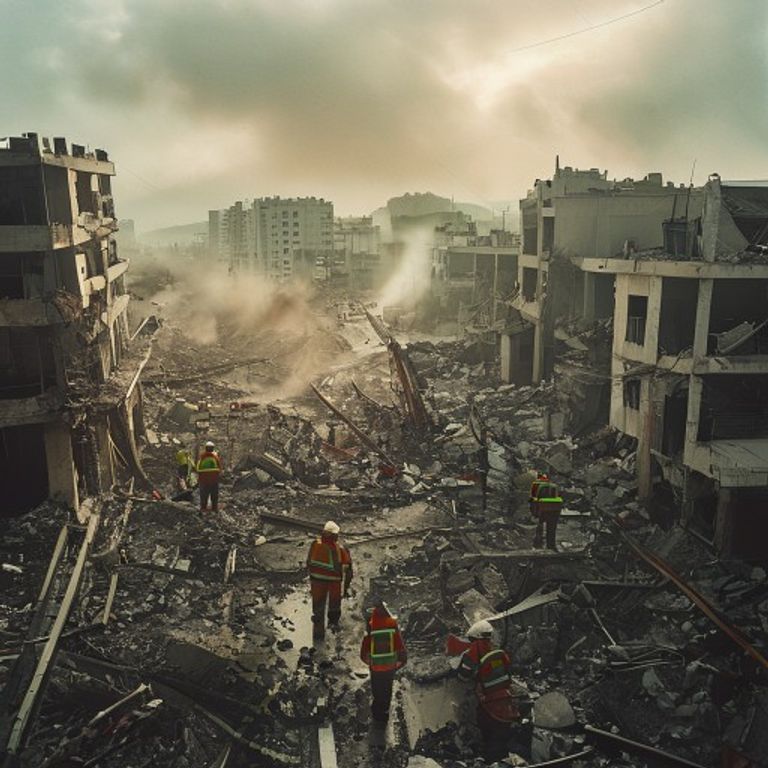
The nation of Venezuela is reeling in the wake of a catastrophic natural disaster that has left its people grappling with unprecedented loss and destruction. Twin earthquakes, striking with terrifying force, have devastated large swaths of the country, leaving a trail of ruin that spans from the coastal regions to inland urban centers. As the dust begins to settle, the true, harrowing scale of the crisis is emerging, revealing a toll that has gripped the international community with profound sadness and urgency.
According to the latest reports monitored by NewsMatrix, the death toll from this seismic event has tragically reached 589 individuals. This figure, however, is feared to be preliminary as rescue teams continue to navigate the precarious landscapes of demolished neighborhoods. Furthermore, nearly 3,000 people have sustained injuries, many of them critical, overwhelming local healthcare facilities that were already struggling under the strain of the pre-existing economic climate. The psychological toll on the survivors, compounded by the constant fear of aftershocks, is immeasurable.
The Heart of the Crisis: La Guaira
While the seismic activity affected multiple regions, the state of La Guaira has borne the brunt of the destruction. Known for its coastal beauty and strategic importance, La Guaira has been transformed into a landscape of broken concrete and twisted metal. The impact here has been total. Infrastructure, including essential roadways, power grids, and water systems, has been largely decimated, isolating communities and complicating the delivery of life-saving aid.
NewsMatrix reporters on the ground describe scenes of profound desperation. Families are searching through the remains of their homes, hoping against hope for any sign of their loved ones. Local authorities estimate that thousands remain missing, buried under the debris of collapsed residential complexes and commercial buildings. The sheer scale of the search-and-rescue operation is daunting, and the clock is ticking against the survivors who may still be trapped beneath the wreckage.
A Fragile Recovery Effort
The Venezuelan government, overwhelmed by the magnitude of the disaster, has appealed for international assistance. The response has been swift, demonstrating the global recognition of the severity of the situation. Countries from across the globe are mobilizing resources, personnel, and humanitarian aid to help stabilize the region and sustain the survivors.
Among the most prominent responses is India’s Operation Amistad. This massive humanitarian undertaking involves the rapid deployment of specialized search-and-rescue teams equipped with advanced technological gear designed to locate survivors under deep rubble. These teams are also bringing essential medical supplies, mobile field hospitals, and water purification units—vital assets for a population currently facing a dire public health crisis due to compromised sanitation and lack of clean water.
Simultaneously, the United States has launched a significant assistance program, coordinating with international partners and non-governmental organizations to deliver food, blankets, tents, and medical equipment. The collaborative nature of this effort is a testament to the urgency of the situation, as nations set aside geopolitical differences to focus on the humanitarian imperative of saving lives in Venezuela.
Challenges on the Ground
Despite the influx of international aid, the operational challenges remain immense. The geography of La Guaira, characterized by hilly terrain and vulnerable coastal infrastructure, has been compromised by the tremors, leading to massive landslides that have blocked crucial supply routes. Rescue teams are finding it incredibly difficult to maneuver heavy machinery into the hardest-hit areas.
Moreover, the constant threat of aftershocks continues to hamper recovery efforts. Each tremor forces teams to pause their work, retreat to safety, and reassess the structural integrity of the sites they are searching. For the survivors, these tremors serve as a traumatic reminder of the initial catastrophe, keeping them in a state of perpetual fear and distress.
The Humanitarian Toll
Beyond the immediate physical danger, there is an escalating humanitarian crisis. With millions potentially affected—some losing their homes, others their livelihoods, and many displaced from their communities—the long-term recovery prospects are daunting. Schools, hospitals, and community centers have been destroyed, disrupting the social fabric of the affected areas.
NewsMatrix highlights the following critical areas of concern:
- Water Scarcity: Ruptured pipes and contaminated supplies have made clean water almost impossible to find, raising the threat of waterborne diseases.
- Healthcare Collapse: With hospitals severely damaged or overcrowded, treating the thousands of injured is an ongoing logistical nightmare.
- Shelter Requirements: Thousands of families are currently displaced, requiring immediate and sustained shelter solutions as they face potential homelessness for the foreseeable future.
The Road Ahead: Resilience and Rebuilding
As the initial phase of the emergency response transitions toward stabilization and recovery, the focus will inevitably shift toward the monumental task of rebuilding. The international community, through initiatives like Operation Amistad, remains committed to staying until the situation is stabilized. However, the path forward for Venezuela is fraught with difficulties.
Rebuilding a nation’s infrastructure after such widespread devastation requires not only massive financial investment but also coordinated, transparent, and sustained efforts. For the people of Venezuela, the resilience they have shown in the face of these twin earthquakes is remarkable. From neighbors helping neighbors to the gratitude expressed toward international rescue workers, there is a collective spirit fighting to overcome the darkness of this tragedy.
NewsMatrix will continue to monitor the situation closely, providing updates as more information becomes available. The tragedy in Venezuela serves as a sobering reminder of the power of nature and the vital importance of global solidarity when disaster strikes. As the world watches, the hope is that this collective support will provide the foundation for Venezuela’s long and difficult recovery, ensuring that those lost are honored by the strength and persistence of those who remain.
In this time of grief, the world stands with Venezuela. The recovery will not be measured in days or weeks, but in the years to come. Through the commitment of rescue workers, the solidarity of nations, and the resilience of the Venezuelan people, there is a flicker of hope that, even in the aftermath of such devastation, the process of healing and restoration can begin.