
 By NewsMatrix
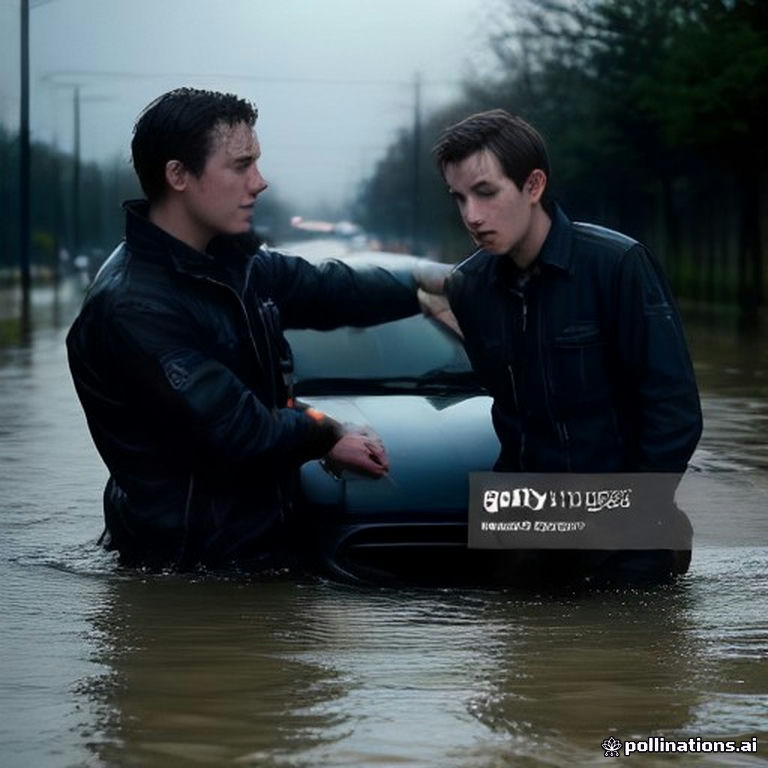
In a dramatic display of courage and quick thinking, an ABC reporter, Will Murray, transcended his professional duties to become an unlikely hero during intense flooding in Morayfield, Australia. His swift intervention, joined by a brave bystander, Daniel Hainey, prevented a potential tragedy when a four-wheel drive became rapidly submerged in treacherous floodwaters. This extraordinary Morayfield flood rescue unfolded amidst a backdrop of severe weather warnings and serves as a powerful reminder of both human resilience and the unforgiving dangers posed by nature’s fury. The incident, captured by the very news crew Murray was leading, has since resonated globally, spotlighting the critical importance of vigilance during extreme weather events and celebrating the profound impact of selfless acts in moments of crisis.
The Deluge Descends on Morayfield
Morayfield, a vibrant community north of Brisbane, Queensland, had been bracing for days as meteorologists issued stern warnings about an impending deluge. Heavy rainfall, a characteristic feature of Queensland’s wet season, had intensified, causing rivers and creeks to swell dangerously. Roads, usually bustling with daily traffic, quickly transformed into perilous waterways. The ground, already saturated from previous downpours, struggled to absorb the relentless rain, leading to widespread flash flooding that caught many off guard. Local authorities had activated emergency response plans, urging residents to stay home, avoid unnecessary travel, and, most critically, to never enter floodwaters. Despite these clear and repeated advisories, the sheer volume of water made navigation incredibly hazardous, creating an unpredictable and dangerous environment for even the most experienced drivers.
The scene Murray and his crew were documenting was one of escalating chaos. Streets that minutes before were merely wet were now submerged under fast-flowing, murky water. The air was thick with the drumming sound of rain and the distant rumble of thunder. Power outages were sporadic, adding to the sense of unease. Residents watched anxiously from their windows as the floodwaters crept higher, threatening homes and livelihoods. It was in this volatile setting that the true test of community spirit and individual bravery would soon be put to the ultimate challenge.
From Reporting to Rescuing: A Reporter’s Ethical Dilemma
Will Murray, a seasoned reporter known for his calm demeanor under pressure, was on assignment for ABC News, his camera crew diligently capturing the unfolding natural disaster. His role was to inform, to document the severity of the flooding, and to relay critical safety messages to the public. He stood on what appeared to be stable ground, microphone in hand, delivering live crosses that vividly described the rising water levels and the dangers lurking beneath. The focus was purely on observation and objective reporting, a cornerstone of journalistic ethics. However, the rapidly deteriorating situation was about to thrust him into a scenario far removed from the impartial observer role. The ethical lines between documenting an event and actively participating in it were about to blur dramatically, pushed by the sheer urgency of a life-threatening situation.
Suddenly, a four-wheel drive, attempting to navigate what the driver perhaps thought was a passable section of road, became trapped. The vehicle, a symbol of robustness and capability in normal conditions, was no match for the surging current. Within moments, the water engulfed the wheels, then the chassis, and rapidly began to rise towards the windows. The driver, visibly panicked, found themselves in an increasingly dire situation, the vehicle quickly becoming a watery tomb. It was a terrifying spectacle unfolding directly before Murray’s eyes, a stark, visceral demonstration of the very dangers he was reporting on. The shift from observer to potential rescuer was instantaneous, driven by a primal human response to another’s distress.
A Life in the Balance: The Submerged Vehicle
The sight of the four-wheel drive sinking was gut-wrenching. The force of the water was immense, pushing against the vehicle, making it clear that staying inside would soon become impossible. The driver, later identified as a local resident, was trapped, unable to open the doors against the exterior pressure of the water. Their desperate attempts to escape were evident, their silhouette a figure of growing despair within the murky confines of the cabin. Each passing second increased the peril, as the vehicle continued its descent, threatening to completely submerge. The situation was escalating rapidly from a stranded car to a grave emergency requiring immediate, decisive action. The thought of the driver’s helplessness spurred the urgency for intervention, overriding all other considerations.
The Call to Action: Murray’s Heroic Leap
Without hesitation, Murray made a split-second decision that would define the day. His reporter’s instinct for observation momentarily yielded to a far more profound human impulse: to save a life. He immediately radioed for emergency services, providing a clear and concise description of the situation and the precise location. But he knew time was of the essence; waiting for official responders might be too late. The driver was sinking fast. With the adrenaline coursing through him, Murray discarded his microphone and, without a second thought for his personal safety, plunged into the churning water. His action was spontaneous, driven by the immediate threat to human life, demonstrating a profound moral courage that transcended his professional obligations.
The water was colder and stronger than it appeared, pulling at him, threatening to sweep him away. Visibility was poor, with debris swirling menacingly beneath the surface. Yet, his gaze remained fixed on the rapidly submerging vehicle. As he battled against the current, another figure emerged from the periphery—Daniel Hainey, a local bystander who had also witnessed the harrowing scene. Hainey, too, had heard the desperate cries and seen the imminent danger. Without hesitation, he joined Murray, wading into the hazardous conditions, their shared purpose overriding any personal fears. Their combined strength and determination would prove crucial in the unfolding drama.
United in Purpose: The Rescue Effort Begins
Together, Murray and Hainey battled the relentless current, pushing towards the sinking four-wheel drive. The journey through the swirling water was arduous, each step fraught with danger. They reached the vehicle, which was now almost fully submerged, only the roofline and a fraction of the windows remaining above the waterline. The driver inside was now barely visible, their face etched with terror. The situation was critical; there was no time to spare. They knew they had only a few precious moments to act before the vehicle was completely lost to the depths.
The challenge was immense. The water pressure against the doors made them incredibly difficult to open. They tried one handle, then another, pushing and pulling with all their might. Communication was difficult amidst the roar of the floodwaters and the relentless rain. They worked in tandem, their actions synchronized by a shared, unspoken understanding of the gravity of the situation. Finally, with a surge of combined effort, they managed to pry open one of the doors. Water rushed into the cabin, but critically, it also created an opportunity for escape.
Extraction from the Brink: A Life Saved
As the door creaked open, Murray and Hainey reached inside, their hands clasping onto the terrified driver. The driver, disoriented and physically weakened by the ordeal, was carefully guided out of the vehicle and into the relative safety of the floodwaters, where they could stand. The immediate danger had passed, but they were still in deep, fast-flowing water. With the driver now free, the trio began the slow, arduous journey back to higher ground, supporting the dazed individual every step of the way. The relief was palpable, a shared triumph against overwhelming odds. The Morayfield flood rescue had succeeded, narrowly averting a catastrophe that seemed all but inevitable moments before.
Emergency Services Reinforce Flood Safety Warnings
Shortly after the heroic rescue, the sirens of approaching emergency vehicles pierced through the rain-soaked air. Police and paramedics arrived on the scene, having been alerted by Murray’s earlier call. The rescued driver was immediately attended to by paramedics, assessed for hypothermia, shock, and any other injuries. Thankfully, despite the harrowing experience, they were largely unharmed, a testament to the swift and courageous actions of Murray and Hainey. The driver expressed profound gratitude to their saviors, acknowledging the selfless bravery that had saved their life.
Emergency service personnel, while commending the bravery of the rescuers, took the opportunity to reiterate their critical warnings about floodwaters. “This incident is a stark reminder of the immense dangers posed by floodwaters,” stated a senior police officer at the scene. “Even shallow, seemingly calm water can hide debris, strong currents, and sinkholes. Our message remains clear: ‘If it’s flooded, forget it.’ No journey is worth risking your life for. We are incredibly grateful for the heroic actions of these individuals today, but we urge everyone to prioritize safety and never enter flood-affected areas.” This sentiment was echoed by paramedics, who highlighted the rapid onset of hypothermia and the physical exhaustion that can quickly overcome individuals caught in floods.
The Broader Picture: Battling Australia’s Floods
This incident in Morayfield is not an isolated event but rather a frequent occurrence in flood-prone regions of Australia, particularly Queensland. The country’s climate, characterized by intense rainfall periods, often leads to significant flooding, posing an annual challenge to communities. Emergency services, including the State Emergency Service (SES), fire and rescue, and police, consistently launch public awareness campaigns, using slogans like “Turn Around, Don’t Drown” to educate the public. Yet, human error, misjudgment, and sometimes sheer desperation continue to lead to dangerous situations. The economic and social impact of these floods is substantial, affecting infrastructure, agriculture, and mental well-being across affected regions.
The Morayfield rescue underscores the importance of not just official warnings but also community vigilance and preparedness. Local councils often implement flood mitigation strategies, including improved drainage systems, early warning networks, and evacuation plans. However, the unpredictability of extreme weather events means that individual responsibility remains paramount. Understanding local flood risks, having an emergency kit, and knowing evacuation routes are crucial steps every resident in flood-prone areas should take. The collective memory of past floods often fades, leading to a dangerous complacency that incidents like this vividly aim to shatter, bringing the message of safety back into sharp focus.
The Ripple Effect of Heroism and Media Ethics
Will Murray’s actions have sparked considerable discussion regarding the role of journalists in crisis situations. While journalistic ethics typically dictate impartiality and observation, the human instinct to intervene when a life is in imminent danger often overrides these professional boundaries. Murray’s decision was not a calculated choice for a news scoop, but a spontaneous, altruistic act. His bravery, shared with Daniel Hainey, exemplifies the best of humanity, showcasing how ordinary individuals can rise to extraordinary challenges. This event serves as a powerful testament to the fact that even those whose job is to report on events can become integral parts of the story, transforming from mere observers into active participants in the preservation of life.
The story of the Morayfield flood rescue quickly gained traction, inspiring countless individuals and serving as a beacon of hope amidst the often-bleak news cycle of natural disasters. It highlights the profound connection within communities and the readiness of people to extend a helping hand to strangers in distress. Such acts of heroism not only save lives but also bolster community spirit, reinforcing the idea that in times of crisis, we are all interconnected and reliant on each other’s compassion and courage. The narrative moved beyond the simple reporting of a flood, becoming a powerful human interest story that celebrates selflessness.
Conclusion: A Call for Vigilance and Courage
The dramatic Morayfield flood rescue stands as a poignant reminder of both the destructive power of nature and the indomitable spirit of human courage. Will Murray, the ABC reporter, and Daniel Hainey, the brave bystander, acted with extraordinary speed and selflessness, turning a potential tragedy into a testament to their unwavering commitment to human life. Their combined efforts not only saved a driver from the perilous floodwaters but also shone a spotlight on the critical importance of heeding emergency warnings and exercising extreme caution during severe weather events.
As communities worldwide grapple with the increasing frequency and intensity of extreme weather phenomena, the lessons from Morayfield resonate deeply. It is a call for continuous vigilance, comprehensive preparedness, and the cultivation of a community spirit where individuals are ready to look out for one another. The heroism displayed by Murray and Hainey will undoubtedly be remembered, not just as a thrilling news story, but as a powerful symbol of the resilience and compassion that define us in the face of adversity. Their bravery serves as an enduring message: in moments of crisis, the greatest strength lies in our collective humanity.