
 By NewsMatrix
Western Wisconsin Rises Against MariBell Transmission Project
In a burgeoning showdown over land rights and rural preservation, communities across western Wisconsin are mounting fervent opposition to the proposed MariBell Transmission Project. This ambitious infrastructure initiative, intended to bolster regional energy grids, has instead ignited a firestorm of resistance from landowners who fear its devastating impact on their ancestral lands, livelihoods, and the very fabric of their communities. At the heart of the contention lie family farms, many of which have been cultivated for generations, now facing the specter of diminished usable land, plummeting property values, and potential long-term health concerns. As the project navigates the complex regulatory landscape, a powerful grassroots movement has taken root, leading to significant legal actions against the developers and widespread public protests, signaling an unwavering resolve from the farmers and residents determined to protect their way of life.
The MariBell Transmission Project: An Overview
The MariBell Transmission Project is conceived as a vital upgrade to the existing regional power infrastructure. Proponents argue that the project is indispensable for ensuring energy reliability, meeting growing electricity demands, and facilitating the integration of renewable energy sources into the grid. The proposed high-voltage transmission lines are slated to traverse hundreds of miles, connecting key substations and potentially impacting multiple counties across western Wisconsin. While the specifics of the route are still under review and subject to change, preliminary plans have already drawn clear lines of conflict, as they intersect directly with active agricultural lands and residential properties.
Developers often highlight the broader economic benefits of such projects, including job creation during construction and enhanced energy security that can attract further investment to the region. They typically emphasize rigorous environmental impact assessments and community engagement processes designed to mitigate adverse effects. However, for the affected landowners, these assurances often fall short in addressing the very personal and profound implications of having massive transmission towers and lines dissect their properties.
The Heart of the Resistance: Family Farms Under Threat
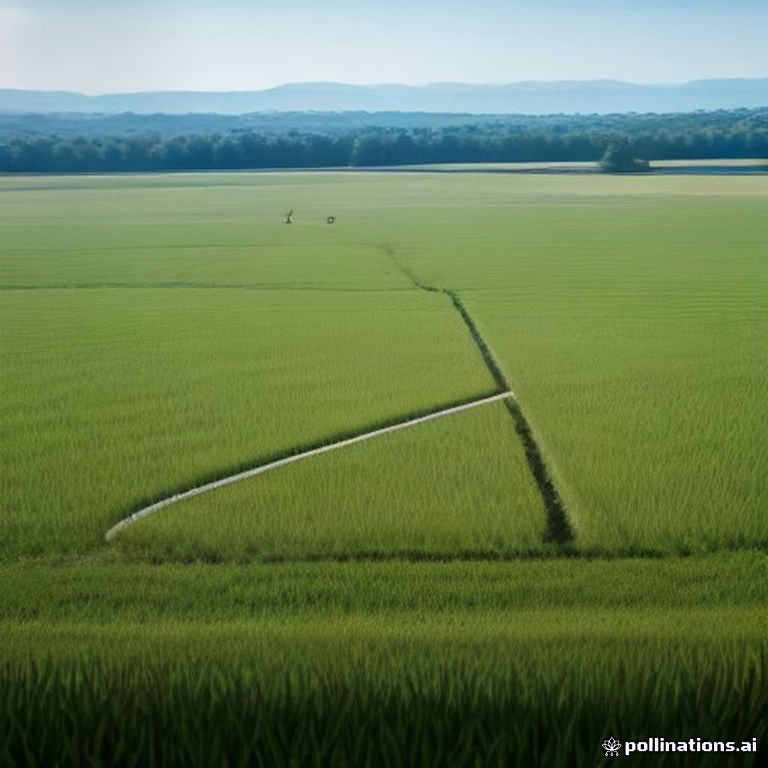
For many in western Wisconsin, land is not merely an asset; it is a legacy, a living history passed down through generations. Family farms form the backbone of the local economy and culture, embodying a deep connection to the soil and a way of life that values self-sufficiency and community resilience. The proposed route of the MariBell Transmission Project cuts directly through these cherished lands, threatening to fundamentally alter the agricultural landscape. Farmers express deep concern that the easements required for the transmission lines will render significant portions of their fields unusable or vastly less productive. The physical footprint of the towers, combined with the safety zones required beneath the lines, can fragment fields, making efficient farming operations like planting, tilling, and harvesting considerably more difficult and costly.
Beyond the immediate physical impact, there is the existential threat to farming as a viable profession. The economic margins in agriculture are often razor-thin, and any reduction in usable acreage or increase in operational complexity can push a farm from profitability to insolvency. This isn’t just about losing a few acres; it’s about losing a family business, a heritage, and a future. The emotional toll of this prospect is immense, as farmers face the potential dismantling of what they and their ancestors have painstakingly built.
Economic Fallout: Property Values and Long-Term Viability
One of the most pressing concerns for landowners is the anticipated decline in property values. While developers typically offer compensation for easements, these payments are often viewed as inadequate in addressing the long-term devaluation of the land. Properties bisected by high-voltage transmission lines are generally less attractive to buyers, whether for agricultural or residential purposes. The visual blight, the perceived health risks, and the physical impediment to land use combine to create a significant deterrent, leading to a demonstrable reduction in market value. This devaluation impacts not only current landowners but also future generations, eroding the equity built over decades.
Furthermore, the presence of transmission infrastructure can hinder future development or diversification plans for agricultural enterprises. For instance, farmers considering expanding into agritourism or certain types of specialty crops might find their options limited by the proximity of high-voltage lines. The long-term economic viability of an entire region, heavily dependent on its agricultural output, could be jeopardized. Local tax bases, which rely on property values, might also suffer, leading to reduced funding for schools and public services—a ripple effect that extends far beyond the individual farm.
Health and Environmental Anxieties
Beyond economic considerations, significant anxieties revolve around potential health impacts and environmental degradation. While official bodies often maintain that electromagnetic fields (EMFs) from transmission lines pose no proven health risks at typical exposure levels, many residents remain unconvinced and deeply concerned, particularly for children and vulnerable populations. Anecdotal evidence and independent studies, though often contested, fuel these fears, prompting calls for a more cautious approach.
The construction phase itself presents environmental challenges. The heavy machinery required for clearing land and erecting towers can cause soil compaction, erosion, and disruption to local ecosystems. Wetlands and sensitive habitats could be disturbed, impacting local flora and fauna. Once operational, the lines require ongoing maintenance, which might involve the use of herbicides to manage vegetation beneath the lines, raising further environmental and health concerns for farmers and residents who rely on the purity of their land and water. The visual impact, transforming tranquil rural vistas into industrial corridors, is also a significant concern, diminishing the aesthetic appeal and quality of life for those living in the project’s path.
A Community Mobilizes: Protests and Advocacy
The strength of the opposition to the MariBell Transmission Project lies in its grassroots nature. Farmers, concerned residents, environmentalists, and local business owners have coalesced into formidable advocacy groups. Public meetings have become forums for impassioned testimonies, often characterized by personal stories of multi-generational farming and deep emotional ties to the land. Protests, ranging from organized rallies to roadside demonstrations with hand-painted signs, have become a common sight across affected areas, drawing media attention and galvanizing broader public support. These actions are not merely expressions of anger; they are strategic attempts to raise awareness, influence public opinion, and pressure regulatory bodies to reconsider or reject the proposed route.
The collective effort extends to extensive research, with community groups poring over project documents, commissioning independent studies, and consulting with legal and environmental experts. This informed advocacy aims to challenge the developers’ claims and present robust alternative analyses, demonstrating that the opposition is not simply emotional but grounded in factual concerns and viable alternatives.
Navigating the Regulatory Maze and Legal Battlefront
The path for large-scale infrastructure projects like the MariBell Transmission Project is paved with regulatory hurdles. In Wisconsin, the project must undergo rigorous review by state regulatory commissions, which assess its necessity, potential impacts, and proposed mitigation measures. This process involves public hearings, opportunities for citizen input, and detailed environmental impact statements. Landowners and their advocates are actively participating in every stage, submitting comments, providing expert testimony, and challenging perceived shortcomings in the regulatory process.
Parallel to the administrative review, a significant legal battle has begun to unfold. Landowners, often pooling resources, have initiated lawsuits against the project developers and, in some cases, against regulatory bodies themselves. These legal actions often challenge the necessity of the project, the proposed routing, the adequacy of environmental assessments, and the fairness of eminent domain proceedings. The goal is to either halt the project entirely, force a re-routing that minimizes impact, or secure more equitable compensation for affected property owners. These legal struggles are arduous and costly, highlighting the immense determination of the community to protect their homes and livelihoods.
Broader Implications: A National Dialogue
The conflict in western Wisconsin mirrors similar struggles occurring across the nation and globally, as societies grapple with the competing demands of energy infrastructure development and local land rights. It underscores a fundamental tension between the perceived public good of regional energy grids and the profound private costs borne by individual landowners. The MariBell Transmission Project has thus become a microcosm of a larger national dialogue about how best to balance these interests, how to ensure equitable processes, and how to define responsible development in a rapidly changing world. The outcome of this struggle in Wisconsin could set precedents for future infrastructure projects, influencing how communities are engaged, how impacts are assessed, and how justice is sought for those directly affected.
Conclusion
The battle over the MariBell Transmission Project in western Wisconsin is far from over. What began as a technical proposal for energy infrastructure has evolved into a deeply personal and emotionally charged struggle for the preservation of a way of life. The unwavering resistance from rural landowners, rooted in their profound connection to family farms and a deep-seated fear for their future, continues to shape the trajectory of this contentious project. Through vigorous public protests, meticulous advocacy, and determined legal challenges, the community of farmers and residents has demonstrated an extraordinary commitment to protecting their land, their livelihoods, and their health. The coming months and years will undoubtedly see further developments in this significant dispute, as both sides press their claims in regulatory arenas, courtrooms, and the court of public opinion. Regardless of the final outcome, the story of the MariBell Transmission Project stands as a powerful testament to the enduring spirit of rural communities defending their heritage against the encroaching tide of industrial development.