
 By NewsMatrix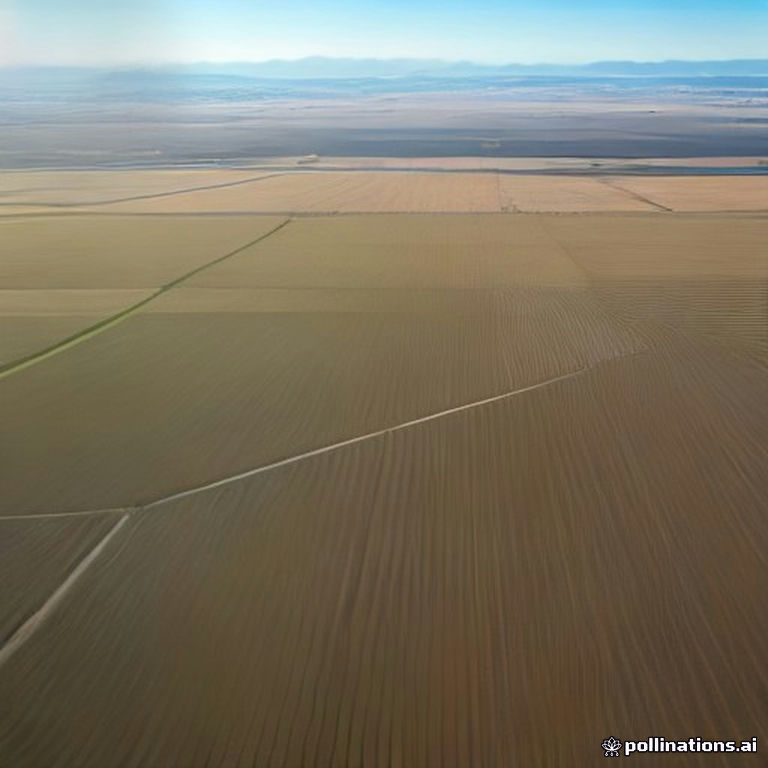
In the heart of California’s agriculturally rich but increasingly parched San Joaquin Valley, a quiet revolution is unfolding. For generations, the Changala family farm in Tulare County cultivated vast expanses of dry-farmed wheat, a testament to traditional farming practices and a reliance on the unpredictable rhythms of nature. Today, however, their fields tell a different story – one of innovation, adaptability, and a bold shift towards a sustainable future. The Changala farm has embraced a transformative solar energy transition, trading their wheat harvests for the steady, lucrative yield of solar leases. This strategic pivot, driven by compelling financial incentives and exacerbated by California’s persistent water scarcity, marks a significant moment for not just one family, but potentially for the entire agricultural landscape of the Golden State.
From Wheat Fields to Solar Arrays: A Family’s Pivotal Choice
The decision to transition from dry-farmed wheat to solar energy was not made lightly. For decades, the Changala family, like many in the region, navigated the inherent uncertainties of agriculture. Dry-farmed wheat, while historically significant, is a crop profoundly vulnerable to climatic fluctuations. Success hinges on adequate rainfall, and in a state increasingly plagued by prolonged droughts, consistent yields became an elusive dream. Market prices for wheat also varied, making long-term financial planning a constant challenge.
The Allure of the Sun: Financial Incentives Reshape the Landscape
The primary catalyst for the Changala family’s dramatic shift was undeniably economic. Solar leases, wherein land is rented to solar development companies for the installation of photovoltaic panels, offered an income stream that dwarfed the revenues generated by traditional wheat cultivation. These leases typically provide a stable, predictable annual income for 20 to 30 years, a stark contrast to the volatility of crop markets. For a farming family, this stability represents a significant de-risking of their operations, allowing for greater financial security and long-term planning.
Industry reports and local agricultural analyses consistently show that per-acre returns from solar leases can be several times higher than those from even irrigated row crops, let alone dry-farmed wheat. This substantial difference provides a powerful incentive for landowners, particularly those with marginal or less productive agricultural land, to consider alternative uses that promise greater financial returns with significantly less operational overhead and risk.
Water Scarcity: The Unseen Hand Driving Change in the San Joaquin Valley
While financial incentives paved the way, the deepening crisis of water scarcity in the San Joaquin Valley provided the critical environmental context for the Changala family’s decision. The San Joaquin Valley, often referred to as the “breadbasket of the world,” is an agricultural powerhouse, producing a significant portion of the nation’s fruits, vegetables, and nuts. This productivity, however, has long been reliant on extensive irrigation, drawing heavily from both surface water allocations and rapidly depleting underground aquifers.
The Drying Wells and Regulatory Pressures
Years of drought, compounded by unsustainable groundwater pumping, have led to critically low water levels across the valley. Wells have run dry, land subsidence (the sinking of the ground due to excessive groundwater extraction) has become a serious issue, and farmers face increasingly stringent regulations on water use, such as those imposed by California’s Sustainable Groundwater Management Act (SGMA). SGMA mandates that local agencies develop and implement plans to achieve groundwater sustainability by 2040 or 2042, meaning less water will be available for agriculture in the coming decades.
For farmers like the Changalas, dry-farming was already a gamble with water. But with the broader water crisis threatening even irrigated operations, the long-term viability of water-intensive agriculture in certain areas became questionable. The shift to solar energy, which requires virtually no water for operation (beyond occasional panel cleaning), offers a compelling solution to farmers facing an increasingly arid future.
A Regional Trend: Farmers Embracing Solar Technologies
The Changala family’s story is not an isolated incident but rather a microcosm of a larger trend sweeping across California’s agricultural regions. Faced with similar pressures – financial instability from traditional crops, rising operational costs, and the undeniable reality of a changing climate – more and more farmers are exploring and investing in solar technologies.
Diverse Applications of Solar in Agriculture
The adoption of solar in agriculture extends beyond large-scale ground-mounted solar farms. Farmers are integrating solar in various ways:
- On-Farm Solar Installations: Many farmers are installing solar panels on their barn roofs or in smaller ground-mounted arrays to power their own operations, such as irrigation pumps, cold storage, and processing facilities. This reduces their electricity bills and provides energy independence.
- Agrivoltaics (Dual Use): An emerging practice where solar panels are installed above crops, allowing for both energy generation and agriculture to coexist on the same land. This can offer benefits like shading for certain crops, reducing water evaporation, and providing an additional income stream.
- Solar Leases for Revenue: As seen with the Changala farm, leasing less productive or fallow land for utility-scale solar projects has become a significant source of passive income for landowners.
This diversification of solar applications highlights the versatility and economic appeal of renewable energy within the agricultural sector. It allows farmers to adapt their land use strategies to maximize both financial returns and environmental sustainability.
The Economic and Environmental Ripple Effects
The widespread adoption of solar energy on agricultural lands carries significant economic and environmental implications for California and beyond.
Economic Benefits: Stability and Diversification
For individual farm families, the shift provides unprecedented financial stability. This allows them to invest in other parts of their business, diversify their remaining agricultural operations, or secure their family’s future. On a broader scale, it injects new capital into rural economies through lease payments, construction jobs for solar installations, and maintenance contracts.
Furthermore, by reducing reliance on water-intensive crops in drought-prone areas, solar leases free up water resources that can potentially be reallocated to more critical uses or to support other, more sustainable agricultural practices in different parts of the state.
Environmental Gains: Clean Energy and Reduced Water Strain
From an environmental perspective, the expansion of solar farms on agricultural land contributes significantly to California’s renewable energy goals. Each megawatt of solar power generated reduces the demand for electricity from fossil fuels, thereby cutting greenhouse gas emissions and combating climate change. This aligns with California’s ambitious targets for clean energy production.
Equally important is the reduction in water demand. By converting water-intensive acreage to solar farms, the pressure on strained groundwater basins and surface water supplies is eased. This provides a crucial respite for ecosystems and allows for the replenishment of aquifers, contributing to long-term water security for the state.
Challenges and Considerations in the Solar Transition
While the benefits are substantial, the transition to solar on agricultural land is not without its challenges and considerations. Critics sometimes raise concerns about the permanent loss of prime agricultural land, the visual impact of large solar arrays, and the potential for increased demand on local electrical grids.
- Land Use Debate: Balancing the need for food production with the demand for clean energy infrastructure is a complex issue. Strategic planning, often involving the use of marginal lands or agrivoltaics, is crucial to minimize the impact on productive farmland.
- Grid Infrastructure: Large-scale solar developments require robust transmission infrastructure to deliver electricity to population centers. Investments in grid upgrades are essential to support this growth.
- Local Community Impact: Engaging with local communities to address concerns about aesthetics, traffic during construction, and long-term land use changes is vital for successful project implementation.
However, proponents argue that given the current economic and environmental realities, particularly water scarcity, the strategic conversion of certain agricultural lands to solar is a pragmatic and necessary step towards a more resilient future. The land chosen for solar arrays is often already underperforming due to water limitations or soil quality, making the economic trade-off more favorable.
The Future of Farming: A Blend of Tradition and Innovation
The Changala family’s embrace of a solar energy transition stands as a powerful example of how agricultural communities are adapting to 21st-century challenges. Their story highlights a paradigm shift, where the sun, once primarily a source for crop growth, now directly powers their economic future. It signifies a move away from sole reliance on traditional crop cycles and towards a diversified income model that integrates renewable energy production.
This trend suggests a future where “farming” might encompass not only the cultivation of food but also the harvesting of sunlight for clean energy. As California and other agricultural regions globally grapple with climate change, water scarcity, and economic pressures, the model pioneered by families like the Changalas offers a compelling blueprint. It is a future where resilience is built upon a careful balance of tradition and innovation, ensuring both economic prosperity for farmers and environmental sustainability for generations to come. The fields of Tulare County, once green with wheat, now shimmer with the promise of a brighter, cleaner, and more financially secure tomorrow.