
 By NewsMatrix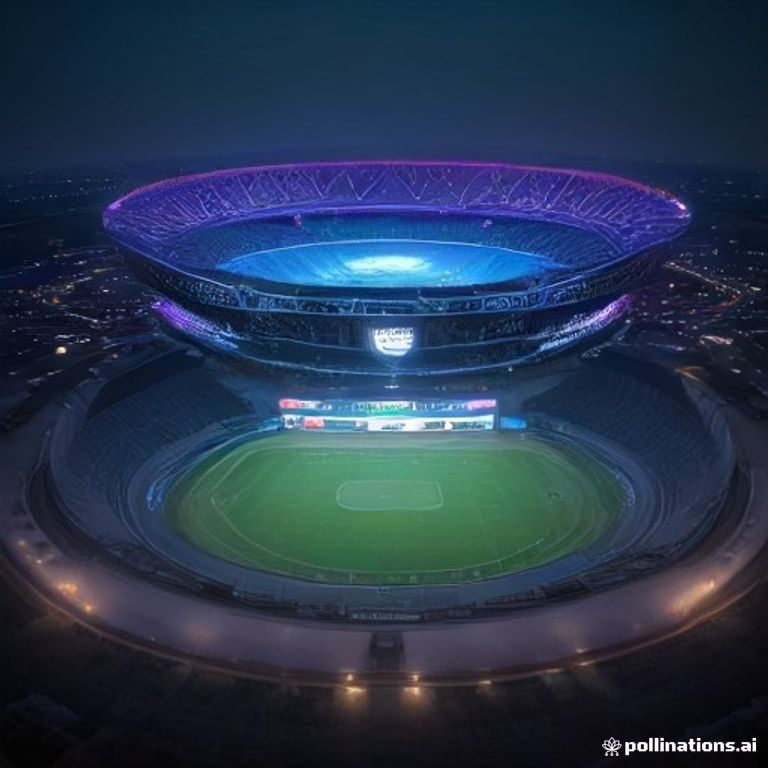
India Joins Global Race: Ahmedabad Pitched for 2036 Olympic Games
New Delhi, India – In a move that underscores its burgeoning global ambitions and rapidly growing economy, India has officially confirmed its bid to host the 2036 Olympic Games. The International Olympic Committee (IOC) is set to make its highly anticipated decision in a crucial vote scheduled for 2029, a timeline that sets the stage for a rigorous, multi-year evaluation process. India’s compelling proposal centers around Ahmedabad, a dynamic metropolis in the state of Gujarat, which aims to position itself as a world-class host city capable of delivering a truly memorable Olympic experience. This bold declaration for the India 2036 Olympics Bid places the nation in an elite group of seven contenders, including formidable rivals such as Qatar, South Korea, and Germany, all vying for the immense prestige and transformative impact associated with staging the world’s largest sporting spectacle.
The bid is not merely about hosting an event; it’s a profound statement of intent from a nation poised to become the world’s third-largest economy. It reflects India’s confidence on the international stage, its commitment to sports development, and its desire to inspire a young, vibrant population. As the race heats up, Ahmedabad’s vision, backed by the Indian government’s robust support, promises an Olympic Games rooted in sustainability, innovation, and a vibrant cultural celebration.
Aspiration Meets Ambition: India’s Olympic Dream
India’s pursuit of the 2036 Olympics is deeply intertwined with its larger narrative of growth and global integration. With a population exceeding 1.4 billion, a significant portion of which is under 35, the nation possesses an unparalleled demographic dividend. This youth bulge represents a vast talent pool for sports and an enormous audience eager to engage with international events. The government, under Prime Minister Narendra Modi, has increasingly prioritized sports infrastructure development and grassroots promotion, viewing it as crucial for national development, public health, and soft power projection.
Hosting the Olympics would serve as a powerful catalyst, accelerating this trajectory. It would not only showcase India’s organizational capabilities and modern infrastructure but also provide a monumental platform to promote its rich cultural heritage, diverse traditions, and technological advancements to a global audience. The nation has a burgeoning middle class with increasing disposable income, creating a robust domestic market and a passionate fan base for sporting events. The aspiration is clear: to transition from a significant participant in global sports to a formidable host and a leading sporting nation.
Historically, India has made significant strides in sports, notably in disciplines beyond its traditional stronghold of cricket. Recent Olympic Games have seen Indian athletes achieving unprecedented success, fostering a sense of national pride and galvanizing public interest in a wider array of sports. The 2036 bid is a logical extension of this momentum, aiming to harness this growing enthusiasm and channel it into a transformative national project.
Ahmedabad: The Chosen Arena
The selection of Ahmedabad as the proposed host city is strategic and reflective of its rapid urban and economic development. Located in Gujarat, a state known for its industrial prowess and economic dynamism, Ahmedabad has emerged as a significant hub for business, education, and culture. The city boasts a modern infrastructure, including a well-connected international airport, an expanding network of roads, and a growing public transport system. Its commitment to urban planning and smart city initiatives further strengthens its appeal.
A key asset in Ahmedabad’s bid is the Narendra Modi Stadium, the largest cricket stadium in the world by seating capacity. This state-of-the-art facility, capable of hosting over 132,000 spectators, exemplifies India’s capability to build and maintain world-class sporting venues. While cricket remains dominant, the stadium’s multi-purpose design and auxiliary facilities present significant potential for adaptation to Olympic events, demonstrating a commitment to cost-effective infrastructure utilization.
Ahmedabad’s ambitious proposal aims to leverage India’s broader experience in successfully orchestrating large-scale international sporting events, exemplified by the Commonwealth Games held in Delhi, alongside the city’s own proven track record in hosting significant national championships, such as the National Games of India in 2022. This experience has equipped local authorities with invaluable expertise in logistics, security, event management, and stakeholder coordination. The city envisions a comprehensive development plan that includes not only new sporting venues but also an athlete’s village, media centers, and enhanced transportation networks, all designed with post-Games legacy in mind.
The Economic and Social Dividend
Hosting the Olympic Games is an undertaking of immense scale, but it also promises an unparalleled economic and social dividend. For India, and specifically for Ahmedabad, the potential benefits are multifaceted. Economically, the Games would trigger a massive wave of infrastructure development, including upgrades to transport systems, hospitality sectors, and urban amenities. This construction boom would generate millions of direct and indirect jobs, providing employment opportunities across various sectors.
The influx of athletes, officials, media personnel, and tourists from around the world would provide a significant boost to the local economy. Tourism would flourish, generating revenue for hotels, restaurants, retail businesses, and local attractions. International media exposure would elevate Ahmedabad’s profile as a global destination, attracting further foreign investment and trade opportunities long after the Games conclude. The soft power generated by such an event can also open doors for diplomatic and economic partnerships.
Socially, the Games would leave a profound legacy. A successful Olympics would inspire a new generation of Indian athletes, fostering a stronger sports culture at the grassroots level. It would promote health and fitness, encourage community participation, and instill a sense of national pride and unity. The focus on developing new sports facilities and training programs would ensure that the benefits extend beyond the immediate event, creating a lasting positive impact on public health and athletic development across the nation.
Sustainability and Lasting Legacy
In line with the International Olympic Committee’s “New Norm” reforms, which prioritize sustainability, cost-effectiveness, and legacy planning, India’s bid places a strong emphasis on these principles. Ahmedabad’s proposal is expected to outline a vision for green Games, utilizing renewable energy sources, promoting waste reduction, and implementing environmentally conscious construction practices. The goal is to minimize the ecological footprint of the event and leave behind a positive environmental legacy.
Crucially, the bid focuses on ensuring that the infrastructure developed for the Games has a viable and beneficial purpose long after the Olympic flame is extinguished. The athlete’s village could be repurposed into affordable housing or educational institutions, while new sporting venues would be designed for long-term community use, supporting national sports federations and youth programs. This forward-thinking approach aims to avoid the pitfalls of “white elephants” – unused or underutilized facilities – by integrating Olympic development with the city’s broader urban planning and societal needs.
Furthermore, the Games would be a platform to showcase India’s commitment to inclusive development. Efforts would be made to ensure accessibility for all, promote diversity, and engage local communities in the planning and execution phases. The legacy extends beyond physical infrastructure to fostering a spirit of volunteerism, promoting cultural exchange, and strengthening international goodwill.
The Global Race: Other Contenders
The competition for the 2036 Olympics is fierce, with several other nations presenting compelling bids. Qatar, with its extensive experience in hosting mega-events like the FIFA World Cup 2022 and a track record of modern infrastructure development, poses a significant challenge. South Korea, having successfully hosted both the Summer (Seoul 1988) and Winter (PyeongChang 2018) Olympics, brings invaluable experience and a proven capacity for organization. Germany, a highly developed nation with a strong sporting tradition and existing infrastructure, also represents a formidable contender.
Other reported bidders or interested parties include Indonesia, Turkey, Mexico, and Egypt, underscoring the global appeal and perceived benefits of hosting the Games. Each nation will highlight its unique strengths, whether it be established sporting culture, emerging market potential, or innovative sustainable solutions. India’s bid, therefore, must articulate a clear, distinctive, and highly persuasive narrative that stands out amidst this strong international field. Its unique propositions include its demographic advantage, its rapid economic growth, the fervent passion of its populace for sports, and its commitment to deliver a culturally immersive and globally welcoming event.
The Road to 2029: A Gruelling Evaluation
The journey from bid announcement to final selection is long and arduous. The International Olympic Committee has streamlined its bidding process under the “New Norm,” emphasizing flexibility, cost-reduction, and sustainability. This involves a more collaborative and continuous dialogue phase between interested parties and the IOC’s Future Host Commission, rather than a traditional competitive race.
Over the next few years, India’s bid committee, in conjunction with the national and state governments, will engage in extensive dialogue with the IOC. This will involve detailed presentations, technical evaluations of proposed venues, financial guarantees, security plans, and assessments of public and political support. Environmental impact studies, human rights considerations, and detailed legacy plans will also be scrutinized. Diplomacy and international relations will play a crucial role, as national Olympic committees and international federations will need to be convinced of Ahmedabad’s readiness and vision.
The decision in 2029 will be the culmination of years of meticulous planning, strategic lobbying, and sustained effort. The IOC will ultimately weigh the economic viability, public support, and transformative potential of each bid before making a choice that will shape the future of the Olympic movement.
Challenges and Opportunities
While the prospects are exciting, India’s bid will undoubtedly face challenges. Issues such as traffic management in a rapidly expanding city, environmental sustainability in a developing nation, and ensuring social inclusion across all strata of society will require meticulous planning and execution. The immense financial outlay, despite a focus on cost-effectiveness, will also be a key consideration, demanding robust fiscal management and transparent governance.
However, these challenges also present unique opportunities. The bid can serve as a catalyst for accelerated urban development, driving improvements in infrastructure, public services, and environmental standards that benefit all citizens. It offers a chance to showcase India’s commitment to progress, its ability to overcome complex logistical hurdles, and its capacity to host an event of truly global magnitude while embracing its rich diversity. The Olympic Games, at their core, are about bringing the world together, and India, with its philosophy of ‘Vasudhaiva Kutumbakam’ (the world is one family), is uniquely positioned to embody this spirit.
Conclusion
India’s official entry into the race for the 2036 Olympic Games marks a pivotal moment for the nation. With Ahmedabad at the heart of its proposal, India presents a compelling vision for a Games that are not only athletically spectacular but also culturally enriching, economically transformative, and sustainably managed. The next few years will be critical as India engages in robust dialogue with the IOC and navigates the intense global competition.
The India 2036 Olympics Bid symbolizes a nation confidently stepping onto the world stage, ready to demonstrate its capabilities and its profound passion for sports. Whether Ahmedabad ultimately secures the hosting rights or not, the bidding process itself will undoubtedly galvanize national spirit, accelerate infrastructure development, and further cement India’s position as a significant player in the international sporting landscape. The world watches with anticipation as India articulates its dream of hosting the greatest show on Earth, promising an Olympic legacy that resonates for generations.