
 By NewsMatrix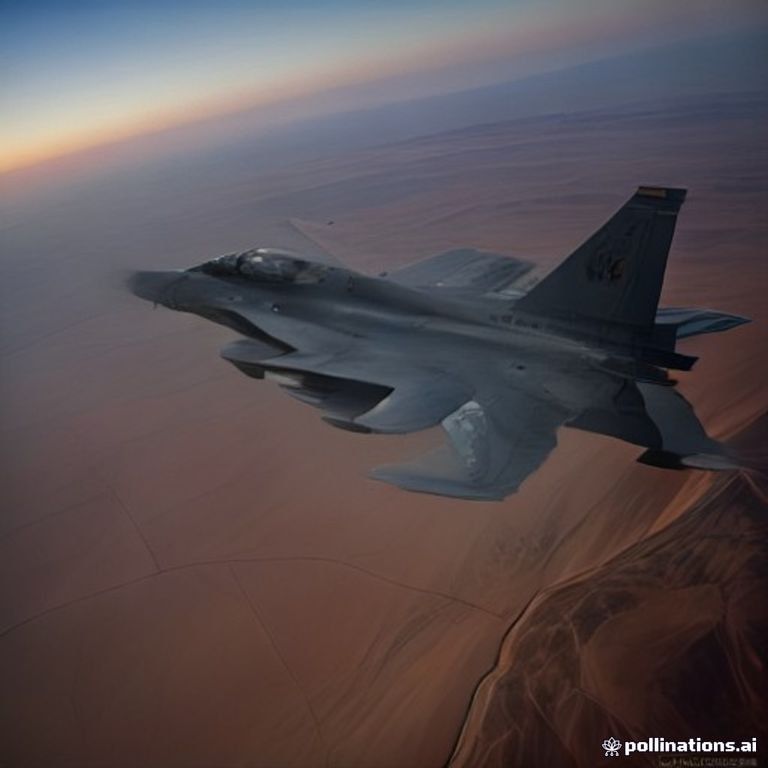
Saudi-led Coalition Intensifies Operations in Yemen, Claims Significant Gains Amidst Verification Challenges
The ongoing conflict in Yemen has seen a marked escalation in military activities, with the Saudi-led coalition providing extensive “full operational support” to government forces. These Saudi-led coalition operations, spearheaded by a formidable air campaign involving approximately 100 fighter jets, aim to bolster the internationally recognized government against Houthi rebels. Major General Turki al-Malki, the official spokesman for the coalition, recently articulated the strategic imperatives behind these intensified efforts, highlighting the establishment of “air protection” over the critical Bab el-Mandeb Strait. While the coalition claims to have inflicted considerable damage, reportedly destroying hundreds of Houthi targets, the veracity of these assertions remains unverified by independent sources, underscoring the opaque nature of reporting from conflict zones.
The Coalition’s Stated Objectives and Operational Scope
Maj. Gen. Turki al-Malki’s recent statements provided a rare glimpse into the operational scale and strategic focus of the Saudi-led coalition’s involvement in Yemen. His declaration of “full operational support” is a robust affirmation of the coalition’s commitment to the Yemeni government. This support extends beyond mere aerial bombardments, encompassing intelligence sharing, logistical assistance, and strategic planning crucial for ground operations. The deployment of around 100 fighter jets signifies a massive air superiority campaign, designed to degrade Houthi capabilities, disrupt supply lines, and provide close air support to allied ground troops. This substantial air power is a critical component of the coalition’s strategy to tip the scales in favor of government forces.
The coalition’s strategic focus on the Bab el-Mandeb Strait is particularly noteworthy. This narrow waterway, connecting the Red Sea to the Gulf of Aden and the Indian Ocean, is one of the world’s most vital maritime chokepoints. An estimated 4.8 million barrels of oil and refined petroleum products pass through it daily, making its security paramount for global energy markets and international trade. By establishing “air protection” over the strait, the coalition aims to prevent any potential Houthi disruption of shipping, which could have far-reaching economic consequences. This move also serves to project regional power and secure crucial sea lanes for allied naval forces operating in the vicinity.
Claims of Success and the Challenge of Verification
Central to the coalition’s narrative are claims of significant battlefield successes, including the destruction of “hundreds of Houthi targets.” These targets reportedly range from military installations and weapons depots to command-and-control centers and Houthi combatant gatherings. Such claims, if independently verified, would indicate a substantial degradation of the Houthi movement’s military infrastructure and operational capacity. However, the caveat provided – that these claims “could not be independently verified” – is a critical element of the reporting. In active conflict zones like Yemen, independent verification is often fraught with challenges, including restricted access for journalists and humanitarian organizations, the prevalence of propaganda from all warring parties, and the inherent difficulty in assessing damage and casualty figures remotely.
The lack of independent corroboration raises questions about the true extent of the coalition’s successes and the overall impact of its operations. Both sides in the Yemen conflict have a history of making inflated claims and downplaying losses, making it difficult for international observers and the public to gain an accurate picture of the ground realities. This information vacuum can lead to misinformation, fuel skepticism, and complicate efforts towards conflict resolution. The call for independent verification is not merely a journalistic standard; it is essential for accountability, transparency, and understanding the true human cost and strategic implications of the conflict.
The Broader Context of the Yemen Conflict
The recent intensification of Saudi-led coalition operations comes against the backdrop of a protracted and devastating conflict that has plagued Yemen for years. What began as a domestic political crisis escalated into a full-blown civil war, drawing in regional powers. The Houthis, an Iran-aligned Zaidi Shia group, seized control of the capital Sana’a in 2014, prompting the Saudi-led coalition’s intervention in March 2015 at the request of the internationally recognized government of President Abdrabbuh Mansour Hadi. The conflict has since devolved into one of the world’s worst humanitarian crises, with millions facing famine, disease, and displacement.
The coalition’s stated objective has consistently been to restore the legitimate government to power, counter perceived Iranian influence in Yemen, and ensure the security of Saudi Arabia’s southern border, which has frequently been targeted by Houthi missile and drone attacks. The strategic calculus behind these military actions is complex, involving regional power dynamics, sectarian rivalries, and geopolitical competition. The air campaign, while aimed at military targets, has also faced international scrutiny due to reports of civilian casualties and damage to civilian infrastructure, issues that further complicate the narrative surrounding the coalition’s claims of precision and effectiveness.
The Role of Air Power and Strategic Chokepoints
The emphasis on “air protection” over the Bab el-Mandeb Strait underscores the critical role of air power in modern warfare, particularly in denying adversaries control over strategic maritime routes. Air superiority allows for projection of power, interdiction of enemy movements, and a psychological advantage. For the Saudi-led coalition, maintaining control over the airspace around Bab el-Mandeb is not just about safeguarding commercial shipping; it’s also about preventing the Houthis from acquiring capabilities that could threaten international navigation or regional security. Any significant disruption to traffic through the strait could trigger an international crisis, impacting global oil prices and supply chains.
Moreover, the use of approximately 100 fighter jets reflects a substantial investment in air assets, indicating a sustained and high-intensity air campaign. Such extensive air operations require sophisticated logistics, intelligence gathering, and target acquisition capabilities. While effective in degrading certain enemy assets, air power alone often struggles to achieve decisive victory in complex ground conflicts, particularly against guerrilla-style insurgencies deeply embedded within civilian populations. This reality contributes to the protracted nature of the Yemen war and the persistent challenges in fully assessing the impact of aerial bombardments.
International Implications and Regional Dynamics
The intensification of Saudi-led coalition operations in Yemen has significant international implications. Global powers, including the United States and European nations, have been involved in varying capacities, from providing logistical support and intelligence to exerting diplomatic pressure for a political resolution. The conflict’s impact on regional stability is profound, drawing in Saudi Arabia, the UAE, Iran, and other actors, creating a complex web of alliances and antagonisms. The humanitarian crisis generated by the war has also garnered international attention, leading to calls for ceasefires and increased humanitarian aid access.
The ongoing military activities underscore the broader struggle for regional hegemony and influence in the Middle East. The Bab el-Mandeb Strait, a vital artery for trade and energy, is a flashpoint where these geopolitical rivalries converge. The coalition’s actions are thus not just about the internal Yemeni conflict but also about securing strategic interests and maintaining a balance of power in a volatile region. The non-verification of claims also has implications for international law and the principles of accountability in armed conflict, further highlighting the need for transparent reporting and independent oversight.
Conclusion: An Unfolding Narrative of Conflict and Contention
As the Saudi-led coalition continues its robust “full operational support” to government forces in Yemen, deploying significant air assets and establishing control over strategic maritime pathways like the Bab el-Mandeb Strait, the narrative remains one of intense military engagement coupled with significant informational challenges. Maj. Gen. Turki al-Malki’s pronouncements paint a picture of a determined and effective campaign against Houthi targets. Yet, the persistent inability to independently verify the coalition’s claims of destroying “hundreds of Houthi targets” leaves a crucial gap in the understanding of the conflict’s true trajectory and impact. This lack of independent corroboration is a recurring feature of modern warfare, making it difficult for the international community to fully grasp the realities on the ground.
The conflict in Yemen continues to be a devastating humanitarian tragedy and a complex geopolitical chessboard. While the coalition asserts its commitment to restoring stability and legitimate governance, the long-term efficacy of its military strategy and the ultimate path to peace remain uncertain. The strategic importance of areas like the Bab el-Mandeb Strait ensures continued international interest and scrutiny of these operations. Ultimately, a lasting resolution will likely require more than military might; it will demand sustained diplomatic efforts, transparent reporting, and a genuine commitment from all parties to de-escalation and dialogue, moving beyond unverified claims towards a verifiable peace.