
 By NewsMatrix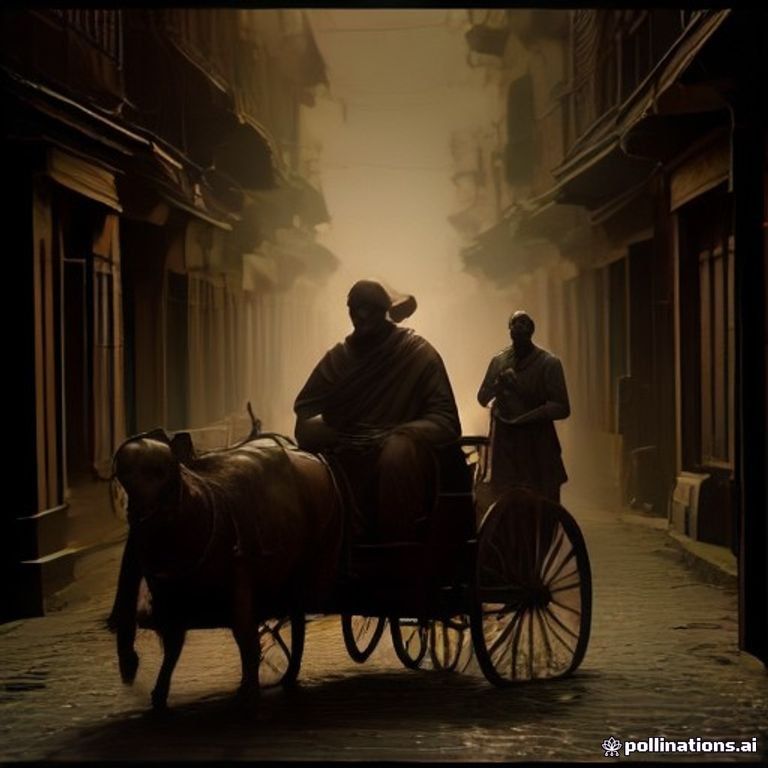
The Unseen Hand: Preserving History Amidst Chaos
The year 1948 stands etched in the annals of history as a period of profound upheaval and sectarian violence across the Indian subcontinent. The newly independent nations of India and Pakistan were grappling with the immediate and brutal aftermath of Partition, an event that triggered mass migrations, untold suffering, and widespread communal riots. Amidst this inferno of hatred and destruction, a remarkable act of courage and interfaith harmony unfolded in Pakistan, a story that remained largely untold for decades. It concerns the secret spirited away of a life-size bronze Gandhi statue by a young Parsi and his friends, ensuring its survival against all odds. This extraordinary tale, brought to light by former Indian diplomat G Parthasarathy, offers a powerful testament to the human spirit’s capacity for preserving heritage and fostering peace, even in the darkest of times.
A Nation Divided, A Statue Endangered
The Partition of British India in August 1947 carved out two independent nations along religious lines, leading to one of the largest and most violent mass displacements in human history. Millions of Hindus and Sikhs migrated to India, and millions of Muslims moved to Pakistan, often under conditions of extreme duress and terror. The communal riots that followed were unprecedented in their scale and ferocity, with cities and towns becoming battlegrounds where religious identities were weaponized. Statues, monuments, and symbols representing the ‘other’ community often became targets of mob fury, desecrated or destroyed as expressions of simmering rage and historical grievances. Mahatma Gandhi, the father of the Indian nation and an icon of non-violence, was a particularly potent symbol. While revered in India, his image in the newly formed Pakistan, especially during the peak of communal animosity, was fraught with complex emotions and, for many, seen as a representation of India. Consequently, the presence of a Gandhi statue in Pakistan during this tumultuous period was an anomaly, and its continued existence, a grave risk.
In this charged atmosphere, where historical figures were being re-evaluated through a fractured lens, the survival of a life-size bronze Gandhi statue was nothing short of a miracle. Pakistan, a nation forged in the crucible of religious nationalism, was home to only two such statues of Bapu. One of these, its exact location lost to the mists of history or perhaps discreetly preserved, faded from public memory. The other, however, found an unlikely protector in a young Parsi individual and his dedicated circle of friends, who understood the profound cultural and historical value of the artifact beyond its immediate political connotations.
The Guardians of Bronze: A Community’s Silent Strength
The Parsi community, followers of Zoroastrianism, had historically maintained a unique and respected position within the social fabric of the Indian subcontinent. Known for their entrepreneurial spirit, philanthropic endeavors, and often a neutral stance in communal conflicts, Parsis were prominent in various walks of life, including commerce, industry, and civil service. Their commitment to pluralism and humanitarian values often transcended political boundaries. It was from this ethos that the courage of the young Parsi emerged. He and his friends, deeply disturbed by the rampant destruction of symbols and the escalating hatred, recognized the importance of safeguarding a piece of shared heritage. For them, the statue represented not just a political figure, but an embodiment of universal ideals of peace, truth, and non-violence – principles that resonated deeply within their own community’s philosophical framework.
The decision to act was not taken lightly. The prevailing climate meant that any overt act of protection for a figure perceived as ‘Indian’ could invite severe repercussions, not just for the individuals involved but potentially for their entire community. The risk of being branded as traitors or collaborators was immense. Yet, driven by a profound sense of duty to history and humanity, they meticulously planned their clandestine operation. The Parsi community’s discretion, their tight-knit social networks, and their experience in navigating complex socio-political landscapes likely played a crucial role in their ability to execute such a sensitive mission.
The Perilous Journey: A Night of Secrecy and Resolve
Moving a life-size bronze statue is no trivial task even in peacetime; doing so secretly in a city gripped by communal frenzy and curfews was an act of extraordinary daring. The young Parsi and his friends would have had to contend with numerous logistical challenges. Bronze statues of that era were typically heavy, requiring significant manpower and equipment to transport. Their operation would have demanded meticulous planning: identifying a suitable time, likely under the cover of darkness, when the streets were deserted or when vigilance was at its lowest ebb. They would have needed a vehicle – perhaps a hand-pulled cart, a bullock cart, or a camouflaged truck – sturdy enough to bear the weight without attracting undue attention.
The journey itself would have been fraught with peril. Every shadow could conceal an enemy, every unexpected sound could signify discovery. The constant threat of encountering armed mobs, zealous vigilantes, or even suspicious law enforcement patrols would have hung heavy in the air. Their mission was not merely to transport an object, but to preserve a legacy; a misstep could have cost them their lives or led to the statue’s destruction. The secrecy surrounding the operation was paramount. No public pronouncements, no seeking of official permission – just a quiet, determined resolve fueled by conviction. They understood that the statue’s survival depended entirely on their ability to operate beneath the radar of a society in turmoil.
A Sanctuary Found: Hiding a Symbol of Peace
Once successfully moved, the critical next step was finding a secure hiding place for the statue. This location had to be discreet, inaccessible to the public, and safe from prying eyes or marauding groups. It had to be a place where the statue could remain undisturbed for an indefinite period, until the tides of history turned. While the exact sanctuary remains unconfirmed, one can speculate on the nature of such a hiding spot. It could have been within the secure confines of a private Parsi home, perhaps a basement or a secluded courtyard, covered and disguised. Alternatively, it might have been stashed in a community institution, such as a fire temple (Agiary) or a Parsi trust property, places that often commanded respect and privacy. The choice of location would have reflected their understanding of the local dynamics and the areas least likely to be targeted or searched during the unrest.
The act of hiding the statue was not merely about physical concealment; it was an act of faith in the future, a belief that one day, reason would prevail over madness, and the statue could once again see the light of day. It was a conscious decision to preserve a testament to shared humanity, even when that humanity seemed to have deserted the world outside. The statue, once a public display, became a secret emblem of hope, quietly awaiting a more tolerant era when its presence would no longer incite division but inspire reflection.
Parthasarathy’s Revelation: Unearthing the Truth
The remarkable story of the Gandhi statue’s survival might have remained buried in the annals of family lore or personal recollections had it not been for the efforts of former Indian diplomat G Parthasarathy. A distinguished figure with a deep understanding of the subcontinent’s history and intricate Indo-Pak relations, Parthasarathy recounted this extraordinary episode, bringing it to a wider audience. His revelation underscores the importance of oral histories and personal narratives in filling the gaps left by official records, especially concerning events as tumultuous and sensitive as the Partition.
Parthasarathy’s account likely emerged from interactions within diplomatic circles, or perhaps through his extensive research and personal connections across the border. Such stories, often passed down through generations, highlight the resilience of human connection despite political divides. His decision to share this anecdote was crucial; it not only shed light on a forgotten act of heroism but also offered a powerful counter-narrative to the prevailing discourse of unbridled hostility. It reminded both nations that amidst the worst of times, individuals of conscience chose empathy over animosity, and preservation over destruction.
The Enduring Message: A Legacy of Tolerance and Shared Heritage
The survival of this Gandhi statue in Pakistan is more than just a historical curiosity; it is a profound symbol with enduring relevance. It speaks to the idea that even when political boundaries are drawn and communal passions ignite, there remains a substratum of shared history, culture, and human values that transcends such divisions. The young Parsi and his friends, by risking their lives to save the statue, acted as custodians of this shared heritage. Their actions were a silent protest against the forces of intolerance, a quiet assertion that some ideals are universal and belong to all humanity, irrespective of nationality or religion.
In an era often plagued by historical revisionism and the politicization of heritage, this story serves as a powerful reminder of the imperative to protect and cherish historical artifacts. These objects are not mere relics; they are tangible links to our past, embodying lessons, triumphs, and tragedies that continue to shape our present and future. The statue’s preservation also highlights the often-unsung heroes who, through individual acts of courage, make significant contributions to maintaining peace and understanding during periods of extreme conflict. It underscores the Parsi community’s historical role in fostering cross-cultural understanding and their commitment to principles of goodwill and community service.
Conclusion: Hope in the Ruins
The story of the Gandhi statue in Pakistan, secretly saved by a young Parsi and his friends during the bloody communal riots of 1948, is a beacon of hope emerging from the darkest chapters of history. It is a narrative that challenges the conventional understanding of the Partition as solely a saga of division and animosity. Instead, it illuminates the pockets of humanity, the acts of quiet heroism, and the enduring bonds of shared values that persisted even as nations tore themselves apart. As recounted by G Parthasarathy, this tale reminds us that history is not just made by grand political movements and violent conflicts, but also by the individual choices of ordinary people who, driven by conscience, choose to protect, preserve, and foster peace.
This hidden chapter of Indo-Pak history offers a vital lesson for contemporary times: that even when societies are deeply fractured, the seeds of empathy and mutual respect can find fertile ground. The bronze statue of Gandhi, quietly awaiting a day when its message of peace can resonate freely, stands as a silent sentinel to a past when courage shone brightest amidst chaos, and a promise that shared heritage can, and must, endure.