
 By NewsMatrix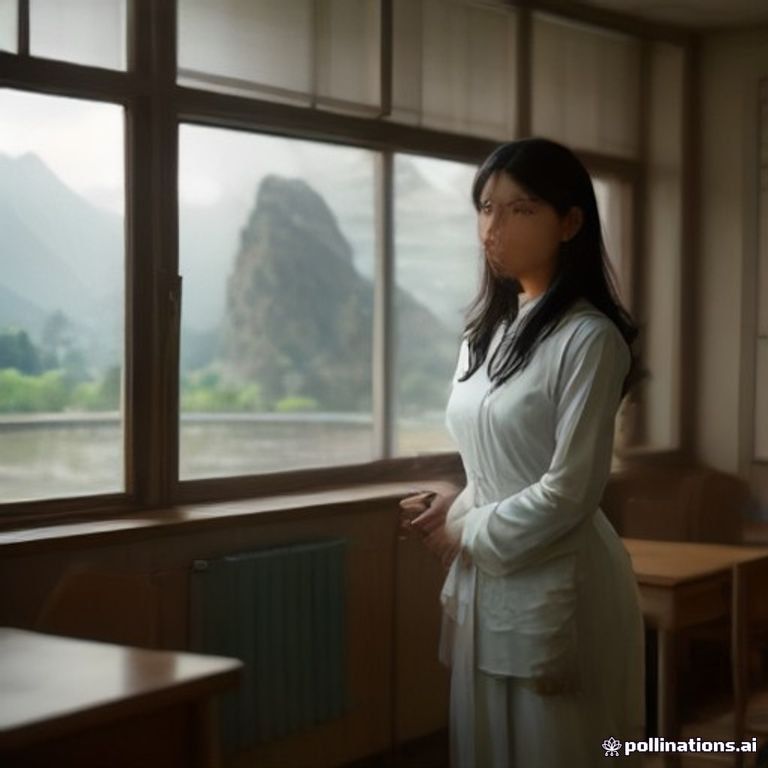
Shimla, Himachal Pradesh – In a significant move aimed at elevating the standards of professionalism and fostering a more disciplined educational environment, the government of Himachal Pradesh has introduced a mandatory dress code for teachers across 148 government-run CBSE schools. This landmark decision underscores the state’s commitment to educational excellence, aligning professional appearance with the gravity of the teaching profession. The new Himachal Pradesh teacher dress code is designed not only to instill a sense of uniformity and decorum among educators but also to practically cater to the diverse local climatic conditions prevalent across the state, ensuring comfort without compromising on a professional image.
The directive comes at a time of robust educational reforms within the state, which includes ambitious plans to establish 100 new CBSE schools and the successful filling of approximately 2,000 teaching posts. This holistic approach signals a comprehensive strategy by the Himachal Pradesh government to strengthen its educational infrastructure and human resources, with the dress code being a visible testament to the renewed focus on quality and discipline within the academic fraternity. The initiative is poised to redefine the public perception of government school teachers, encouraging greater respect and seriousness towards the educational system.
A Stride Towards Enhanced Professionalism and Uniformity
The core philosophy behind the mandatory dress code is rooted in the belief that a professional appearance can significantly influence the learning environment and student perception. By standardizing attire, the state aims to eliminate ambiguity regarding appropriate professional dressing in educational institutions, ensuring that teachers present a consistent and respectable image. This uniformity is expected to contribute positively to classroom discipline and help create a more formal and focused academic atmosphere.
For female teachers, the new guidelines offer a range of traditional and contemporary formal attire options. These include the elegant salwar kameez, the quintessential Indian saree, and Western-style formal shirts paired with trousers or skirts. The emphasis is on attire that is modest, comfortable, and reflective of a professional educator. This thoughtful approach provides female teachers with flexibility while ensuring that their clothing choices uphold the dignity of their profession and are culturally appropriate for the region. The options allow for personal preference within the boundaries of professionalism, ensuring that teachers can maintain their individuality while adhering to the institutional mandate.
Male teachers, on the other hand, have a clear, singular formal requirement: formal shirts paired with trousers. The directive explicitly prohibits casual wear such as jeans, t-shirts, and other informal garments during school hours. This strict adherence to formal wear for male educators is intended to reinforce a traditional image of authority and professionalism, setting a clear standard for their presence in the classroom and on school premises. The simplicity of the male dress code aims to streamline compliance and leave no room for misinterpretation of what constitutes appropriate attire.
Tailored Attire for Regional Climate and Cultural Sensibilities
A crucial aspect of the Himachal Pradesh teacher dress code is its consideration for the unique geographical and climatic conditions of the state. Himachal Pradesh is renowned for its diverse terrain, ranging from subtropical plains to high-altitude snowy peaks, leading to significant variations in weather patterns. The dress code, while mandating formality, implicitly encourages the use of fabrics and styles that are suitable for these local conditions. This practical consideration ensures that teachers can comfortably perform their duties throughout the year, whether in the milder lower regions or the colder, mountainous areas, without compromising on the professional mandate.
Beyond climate, the dress code also subtly acknowledges and respects the cultural sensibilities of the region. The inclusion of traditional attire like salwar kameez and sarees for female teachers reflects an understanding of local customs and preferences, integrating them within the framework of professional dressing. This blend of practicality, professionalism, and cultural sensitivity aims to make the implementation of the dress code more acceptable and sustainable among the teaching community, fostering a sense of ownership rather than mere compliance.
The Broader Canvas: Educational Expansion and Workforce Strengthening
The introduction of the dress code is not an isolated policy but part of a much larger, ambitious educational reform agenda spearheaded by the Himachal Pradesh government. The state’s plan to establish 100 new CBSE schools signifies a substantial investment in expanding access to quality education. CBSE (Central Board of Secondary Education) schools are often perceived to offer a standardized, higher quality curriculum and instruction, and this expansion will undoubtedly benefit a wider student population across the state.
Complementing this infrastructural growth is the impressive achievement of filling approximately 2,000 teaching posts. This addresses a critical need for adequate staffing in schools, ensuring that the new and existing institutions are well-equipped with qualified educators. Teacher shortages can significantly hamper educational quality, and the proactive recruitment drive by the state government demonstrates a clear commitment to providing a conducive learning environment supported by a robust teaching workforce. The dress code, in this context, serves as a unifying element, fostering a collective identity and purpose among this growing body of educators.
These initiatives, taken together, paint a picture of a state government deeply invested in transforming its educational landscape. The dress code, therefore, can be viewed as a symbolic and practical step towards institutionalizing a culture of professionalism that is essential for effective teaching and learning, especially in the context of expanding educational opportunities.
Impact and Expectations: Shaping the Learning Environment
The anticipated impacts of the mandatory dress code are multi-faceted, extending beyond mere aesthetics. A professionally dressed teacher often commands greater respect from students and parents, which can translate into improved classroom management and a more serious approach to academics by students. When teachers consistently present themselves professionally, they serve as powerful role models, inadvertently teaching students about appropriate decorum and the importance of appearance in a professional setting.
From an administrative perspective, a standardized dress code simplifies enforcement and reduces potential conflicts arising from subjective interpretations of appropriate attire. It provides clear guidelines, fostering a sense of fairness and equality among staff members. Moreover, for a global audience, such policies resonate with established norms in many professional sectors worldwide, where dress codes are common tools for maintaining institutional image and discipline.
The move is also expected to enhance public confidence in government schools. When educators are seen to uphold high standards of professionalism, it can positively influence parental trust and community engagement, encouraging greater participation and support for public education initiatives. This renewed trust is vital for the long-term success and sustainability of the educational reforms being undertaken in Himachal Pradesh.
Addressing Nuances: Balancing Professionalism with Practicality
While the benefits are clear, the implementation of any dress code often brings forth discussions around individual expression and practicality. The Himachal Pradesh government appears to have preempted some of these concerns by offering multiple attire options for female teachers and by implicitly allowing for choices in fabric suitable for the local climate. This balance between institutional requirements and individual comfort is key to successful policy implementation.
Globally, educational institutions frequently navigate similar terrain. The underlying principle in most cases is to foster an environment conducive to learning, where the focus remains on education rather than distractions from inappropriate or overly casual attire. The Himachal Pradesh teacher dress code aligns with this global understanding, striving for a middle ground that respects both professional decorum and the practical needs of its educators.
A Model for Educational Governance?
Himachal Pradesh’s integrated approach—combining infrastructural development, workforce strengthening, and the implementation of a professional dress code—could serve as a model for other states and regions grappling with similar challenges in their education systems. It demonstrates a holistic strategy where different elements of educational governance are seen as interconnected and mutually reinforcing. The proactive stance in filling teaching vacancies and expanding quality school options, alongside a policy designed to enhance the professional image of educators, creates a powerful synergy.
Such comprehensive reforms are critical for states aiming to improve their Human Development Index and ensure a competitive future for their youth. By focusing on both the tangible (new schools, more teachers) and the intangible (professionalism, learning environment), Himachal Pradesh is laying a strong foundation for sustainable educational growth and quality.
Looking Ahead: The Future of Education in Himachal Pradesh
The introduction of the mandatory dress code for teachers in government CBSE schools marks a pivotal moment for education in Himachal Pradesh. It is a clear declaration of intent from the state government to uphold and enhance the sanctity of the teaching profession and the learning process. As the state moves forward with its ambitious plans for educational expansion and reform, the dress code will undoubtedly play a crucial role in shaping the identity and ethos of its educational institutions.
The success of this initiative will be measured not just by compliance but by its long-term impact on student outcomes, teacher morale, and the overall perception of public education in Himachal Pradesh. With a clear vision and strategic implementation, the state is poised to set new benchmarks in educational professionalism and quality, ensuring a brighter future for its students and a more respected status for its dedicated educators. This move is a testament to Himachal Pradesh’s commitment to nurturing a highly professional and effective teaching community, thereby enriching the educational experience for thousands of students across the state.