
 By NewsMatrix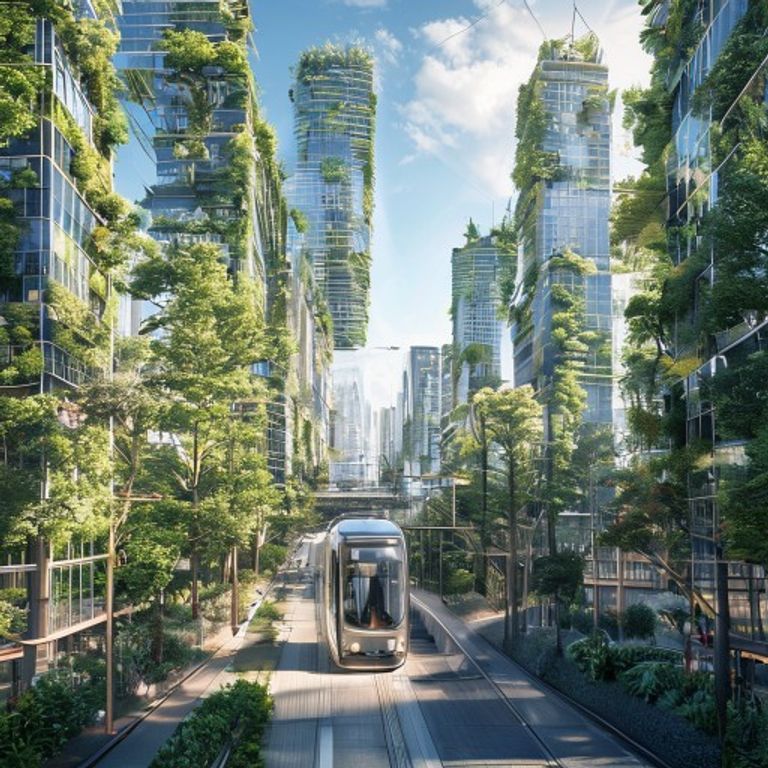
Introduction: The Urban Evolution
As we navigate the third decade of the 21st century, the world is witnessing an unprecedented migration toward urban centers. According to the United Nations, nearly 70% of the global population is projected to live in cities by 2050. This rapid urbanization brings with it a host of challenges, ranging from housing shortages to environmental degradation. However, at NewsMatrix, we believe this shift also presents a unique opportunity to redefine how we coexist with our planet. The future of sustainable living in urban environments is not just a dream of science fiction; it is a burgeoning reality being built through innovation, policy, and community action.
The Concept of the 15-Minute City
One of the most transformative concepts in modern urban planning is the 15-minute city. The idea is simple yet profound: every resident should have access to their basic needs—work, groceries, healthcare, education, and recreation—within a 15-minute walk or bike ride from their home. This model aims to reduce the dependency on private automobiles, thereby slashing carbon emissions and improving the quality of life.
Reducing the Carbon Footprint
By minimizing the need for long commutes, cities can significantly lower their overall greenhouse gas emissions. NewsMatrix has tracked various implementations of this model in cities like Paris and Bogotá, where urban planners are reclaiming street space from cars to create pedestrian zones and bike lanes. This shift doesn’t just help the environment; it fosters a sense of local community and supports small businesses.
Enhancing Mental and Physical Health
Sustainable urban living is as much about human well-being as it is about the environment. Active transport—walking and cycling—promotes physical health, while the reduction in traffic noise and air pollution contributes to better mental health outcomes. The 15-minute city encourages a slower, more intentional pace of life that counters the traditional stress of metropolitan living.
Green Infrastructure and Biophilic Design
The concrete jungles of the past are being replaced by “living” buildings. Green infrastructure involves the integration of natural elements into the built environment. This includes vertical gardens, rooftop forests, and permeable pavements that manage stormwater. At NewsMatrix, we have highlighted how these features are no longer just aesthetic choices but essential components of climate-resilient architecture.
Vertical Forests and Air Quality
Buildings like the Bosco Verticale in Milan serve as prototypes for the future. By hosting thousands of trees and shrubs on balconies, these structures act as urban lungs, filtering particulate matter from the air and producing oxygen. They also provide natural insulation, reducing the energy required for cooling during hot summer months.
Managing the Urban Heat Island Effect
Cities are often several degrees warmer than their rural surroundings due to the concentration of heat-absorbing materials like asphalt and concrete. Sustainable urban design combats this through “cool roofs” and increased canopy cover. Expanding urban parks and wetlands not only cools the city but also provides vital habitats for urban biodiversity.
Energy Efficiency and the Smart Grid
A sustainable city is an efficient city. The future of urban living relies heavily on the “Smart City” framework, where Internet of Things (IoT) devices and data analytics optimize energy consumption. NewsMatrix reports suggest that smart grids are the backbone of this transition, allowing for a more flexible and resilient energy distribution system.
- Renewable Energy Integration: Urban buildings are increasingly becoming power plants. Integrated photovoltaics (BIPV) allow windows and facades to generate electricity from sunlight.
- Smart Lighting: Intelligent street lighting that dims when no one is around can save cities millions in energy costs and reduce light pollution.
- District Heating and Cooling: Instead of individual boilers, cities are moving toward centralized systems that use waste heat from industrial processes or geothermal energy to regulate temperatures across entire neighborhoods.
The Circular Economy and Waste Management
The traditional “take-make-dispose” model is unsustainable in a densely populated urban setting. The future lies in the circular economy, where waste is viewed as a resource. Modern cities are implementing sophisticated recycling and composting programs that aim for “zero-waste” status.
Automated Waste Collection
Some forward-thinking cities are installing vacuum-sealed underground tubes that transport waste directly to processing facilities. This removes garbage trucks from the streets, reducing traffic congestion and emissions while maintaining a cleaner streetscape.
Upcycling Urban Materials
NewsMatrix has followed several startups that specialize in upcycling construction debris into new building materials. Since the construction industry is one of the largest contributors to global waste, these circular practices are vital for sustainable growth.
Sustainable Transportation: Beyond the Electric Car
While electric vehicles (EVs) are a step in the right direction, they do not solve the problem of traffic congestion. The future of sustainable urban mobility focuses on “Mobility as a Service” (MaaS). This integrates various forms of transport—buses, trains, shared bikes, and e-scooters—into a single, accessible digital platform.
The Rise of Public Transit
High-speed rail and expanded subway systems remain the most efficient way to move large numbers of people. Sustainable cities are investing heavily in making public transit more frequent, reliable, and affordable. NewsMatrix frequently covers the expansion of zero-emission electric bus fleets in major hubs like London and Shenzhen.
Micro-mobility and the Last Mile
The “last mile” problem—the distance between a transit stop and a person’s final destination—is being solved by e-scooters and bike-sharing programs. When combined with dedicated infrastructure, these options make it feasible for residents to live car-free lives.
The Social Dimension: Equity and Inclusion
Sustainability is not just an environmental goal; it is a social one. A truly sustainable city must be affordable and inclusive. If green neighborhoods are only accessible to the wealthy, the city as a whole fails. NewsMatrix emphasizes the importance of “green equity,” ensuring that low-income communities also benefit from parks, clean air, and energy-efficient housing.
Co-living and Shared Spaces
New housing models are emerging to combat the urban loneliness epidemic and the high cost of living. Co-living spaces offer shared amenities, reducing the per-capita resource consumption while fostering social bonds. These developments often include community gardens where residents can grow their own food, further enhancing sustainability.
The Role of Technology and NewsMatrix
Technology acts as the catalyst for all these changes. From AI-driven traffic management to blockchain for local energy trading, the digital layer of the city is what makes sustainability at scale possible. At NewsMatrix, we are committed to providing the latest updates on these technological breakthroughs, ensuring our readers are informed about the tools shaping their future.
By providing deep dives into policy shifts and technological leaps, NewsMatrix serves as a bridge between innovators and the public. We believe that an informed citizenry is essential for driving the political will needed to transform our cities.
Conclusion: The Path Forward
The future of sustainable living in urban environments is a mosaic of many different solutions. It requires the courage to rethink our streets, the innovation to redesign our buildings, and the compassion to ensure no one is left behind. While the challenges of climate change and urbanization are daunting, the progress we are seeing today provides a roadmap to a cleaner, healthier, and more vibrant urban future.
As we continue to cover these developments at NewsMatrix, we invite you to stay engaged and participate in the transformation of your own local community. The city of tomorrow is being built today, and it is a place where nature and technology thrive in harmony.