
 By NewsMatrix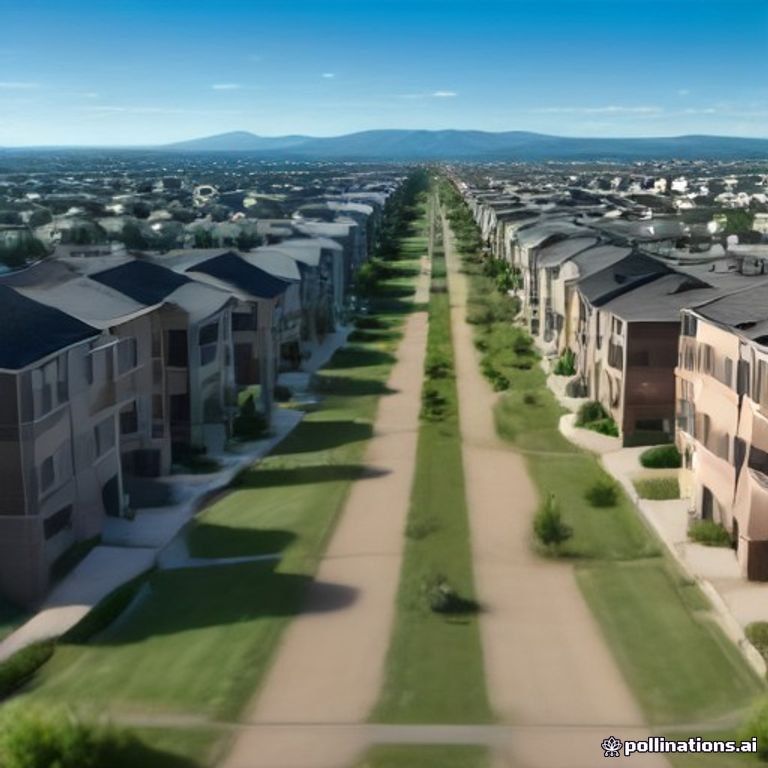
Aurora, Colorado’s 80019 ZIP Code Leads US in Moving Popularity Amidst Housing Boom
In a significant shift reflecting dynamic demographic and economic trends across the United States, Aurora, Colorado’s 80019 ZIP code has emerged as the nation’s most popular destination for movers. This unprecedented rise to the top of national relocation rankings underscores the profound impact of new housing developments and evolving lifestyle preferences on internal migration patterns. The captivating allure of Aurora Colorado moving trends signals a burgeoning suburban frontier, drawing individuals and families seeking new opportunities and an enhanced quality of life.
The ranking, compiled from comprehensive relocation data, highlights a distinct preference for areas experiencing substantial residential growth. While Fort Leavenworth, Kansas, a long-standing fixture in high-mobility rankings due to military relocations, maintains a strong second place, Aurora’s ascent is driven by a different, market-driven phenomenon. Furthermore, Florida continues to assert its magnetic appeal, securing three coveted spots within the top ten, primarily attracting retirees and remote workers drawn to its favorable climate and economic environment. This complex tapestry of moving motivations paints a vivid picture of a nation in flux, with specific regions becoming beacons for those embarking on new chapters.
The Rise of 80019: A Deep Dive into Aurora’s Appeal
The transformation of Aurora’s 80019 ZIP code into the epicenter of American migration is not merely coincidental; it is the direct result of strategic urban planning, substantial investment in infrastructure, and a booming residential construction sector. This particular ZIP code, situated on the eastern plains of the Denver metropolitan area, has become a hotbed for new housing developments, offering a diverse range of options from single-family homes to modern townhouses and apartment complexes. The promise of brand-new residences, often equipped with contemporary amenities and energy-efficient designs, serves as a powerful magnet for prospective homeowners and renters alike.
Beyond the allure of fresh construction, Aurora itself presents a compelling case for relocation. As Colorado’s third-largest city, it boasts a robust and diversified economy, with significant employment opportunities in healthcare (anchored by the Anschutz Medical Campus), aerospace, defense, and technology sectors. Its strategic location offers residents the best of both worlds: convenient access to the vibrant cultural and economic hub of downtown Denver, coupled with the tranquility and spaciousness of suburban living. The area is also celebrated for its abundant outdoor recreational activities, including numerous parks, golf courses, and easy access to the majestic Rocky Mountains, catering to an active lifestyle.
The demographic attracted to 80019 is notably varied, encompassing young professionals, growing families, and individuals seeking more affordable housing options compared to Denver’s increasingly competitive market. The presence of highly-rated schools and expanding community services further enhances its appeal to families, positioning Aurora as a holistic environment for personal and professional growth. This influx of diverse populations contributes to a dynamic, evolving community fabric, fostering innovation and cultural richness. The city’s commitment to developing sustainable communities and enhancing quality of life through public amenities and green spaces also plays a pivotal role in its growing reputation as a desirable place to live.
However, rapid growth also presents challenges. Increased demand for public services, potential strains on existing infrastructure, and the inevitable rise in property values are considerations that city planners and residents grapple with. Managing this growth sustainably, ensuring equitable access to resources, and preserving the unique character of Aurora will be critical for its continued success and the long-term satisfaction of its new and existing inhabitants.
Fort Leavenworth: A Constant in Military Relocations
While Aurora’s rise is a testament to market-driven migration, Fort Leavenworth, Kansas, consistently occupies a prominent position in national moving statistics due to a distinct set of factors. As home to the United States Army Command and General Staff College, Fort Leavenworth experiences a steady, high volume of military personnel and their families relocating for assignments and training. This unique dynamic ensures its perennial appearance near the top of mobility charts, independent of broader economic or housing market trends.
The relocations to Fort Leavenworth are primarily driven by military orders, meaning that movers are typically not seeking new housing developments or economic opportunities in the traditional sense, but rather fulfilling service requirements. The community surrounding the base is intrinsically linked to the military presence, with local services and infrastructure often tailored to support military families. This creates a stable, albeit transient, population flow that is critical to the local economy and social structure. The nature of these moves often involves a concentrated period of influx and outflow, making it a unique outlier in the broader context of American migration.
Florida’s Enduring Allure: Sunshine, Retirement, and Remote Work
The Sunshine State’s continued strong showing in the top ten, with three distinct ZIP codes appealing to movers, underscores its enduring status as a premier destination for specific demographic groups. Florida’s appeal is multifaceted, primarily drawing in retirees seeking a warmer climate, lower cost of living compared to many northern states, and a lifestyle rich in leisure activities. The state’s extensive network of retirement communities, often offering comprehensive amenities and social programs, is a significant draw for older adults looking to enjoy their golden years in comfort and community.
In recent years, Florida has also become a powerful magnet for remote workers. The post-pandemic era has accelerated the trend of location independence, allowing individuals to choose their residence based on lifestyle preferences rather than proximity to an office. Florida’s lack of state income tax, combined with its attractive beaches, vibrant cities, and outdoor recreation opportunities, makes it an ideal choice for those who can work from anywhere. This convergence of factors — climate, tax benefits, and the flexibility of remote employment — has solidified Florida’s position as a preferred destination for a diverse array of new residents.
The state’s economic policies, often favorable to businesses and individuals, further enhance its attractiveness. Investment in tourism, real estate, and burgeoning technology sectors continues to provide a backdrop of economic activity that complements its lifestyle appeal. This blend of economic opportunity and quality of life ensures that Florida will likely remain a top contender in national moving statistics for the foreseeable future, adapting to and capitalizing on evolving migration drivers.
Broader National Moving Trends: A Shifting Landscape
The prominence of Aurora’s 80019 and Florida’s ZIP codes within the top moving destinations reflects a broader national trend of internal migration driven by several key factors. Housing affordability continues to be a primary determinant for many movers. As housing costs in major metropolitan areas skyrocket, individuals and families are increasingly looking to more affordable suburban or exurban areas that still offer access to economic opportunities and amenities.
Job market dynamics also play a crucial role. While some moves are purely lifestyle-driven, many are still predicated on seeking better employment prospects or career advancement. The growth of specific industries in certain regions can act as powerful attractors, drawing skilled labor and contributing to localized population booms. The decentralization of certain industries, fueled by technological advancements and regional economic development initiatives, further diversifies the geography of opportunity.
The advent and normalization of remote work have fundamentally reshaped migration patterns. No longer tethered to physical office locations, millions of Americans now have the flexibility to choose where they live based on personal preferences, family needs, or desired quality of life, rather than professional necessity. This newfound freedom has accelerated moves to traditionally vacation-oriented destinations, as well as to areas offering a better work-life balance or closer proximity to nature.
Moreover, lifestyle preferences, including access to outdoor recreation, community amenities, and a desirable climate, are increasingly influencing relocation decisions. The pursuit of a particular lifestyle, whether it’s mountain living in Colorado, beach life in Florida, or the quiet suburban experience, is a powerful motivator, underscoring a shift towards prioritizing well-being and personal fulfillment in residential choices.
Economic and Social Impacts of Population Shifts
The significant population shifts highlighted by these moving trends have profound economic and social implications for both receiving and sending communities. For popular destinations like Aurora’s 80019, the influx of new residents fuels economic growth. This includes increased demand for housing, goods, and services, stimulating local businesses, creating jobs, and boosting tax revenues. The construction industry, in particular, often experiences a boom, leading to further economic expansion.
However, rapid growth can also bring challenges. Increased population density can strain existing infrastructure, leading to congestion, increased demand for water and energy, and pressure on public services such as schools, healthcare, and emergency response. Property values and rental costs often rise sharply, potentially displacing long-term residents and impacting housing affordability for lower and middle-income families. Managing these pressures requires proactive urban planning, investment in infrastructure upgrades, and policies aimed at ensuring equitable community development.
Socially, an influx of new residents can enrich communities by bringing diverse perspectives, skills, and cultural contributions. It can lead to the formation of new community groups, volunteer initiatives, and a more vibrant social scene. Conversely, it can also create challenges related to social cohesion, particularly if growth is not managed inclusively, or if the pace of change outstrips the community’s ability to integrate new and old residents harmoniously. Finding a balance between growth and preserving community identity becomes a critical task for local governance and civic organizations.
The Future Outlook for American Migration
The trends observed in Aurora, Fort Leavenworth, and Florida suggest that internal migration in the United States will continue to be a complex interplay of economic forces, lifestyle choices, and evolving work dynamics. While traditional drivers like job markets and family ties will always play a role, the increasing importance of housing affordability and the transformative impact of remote work are likely to shape future relocation patterns even more profoundly.
Cities and regions that can offer a compelling combination of economic opportunity, affordable living, and a high quality of life are poised to attract continued growth. As environmental concerns and climate change increasingly influence residential decisions, areas perceived as resilient or offering a more moderate climate may also see increased interest. The ongoing evolution of these factors means that the landscape of America’s most popular moving destinations is likely to remain dynamic, reflecting the continuous search by individuals and families for their ideal place to call home.
Conclusion
The ascent of Aurora, Colorado’s 80019 ZIP code as the nation’s most popular moving destination is a powerful indicator of the current drivers of American migration. Fueled by new housing developments and a thriving regional economy, Aurora exemplifies the suburban boom that is reshaping demographic maps. Alongside the consistent military-driven movements to Fort Leavenworth and Florida’s enduring appeal to retirees and remote workers, these trends paint a comprehensive picture of a nation in motion. Understanding these shifts is crucial for policymakers, urban planners, and residents alike, as they collectively navigate the opportunities and challenges presented by a continually evolving American landscape.