
 By NewsMatrix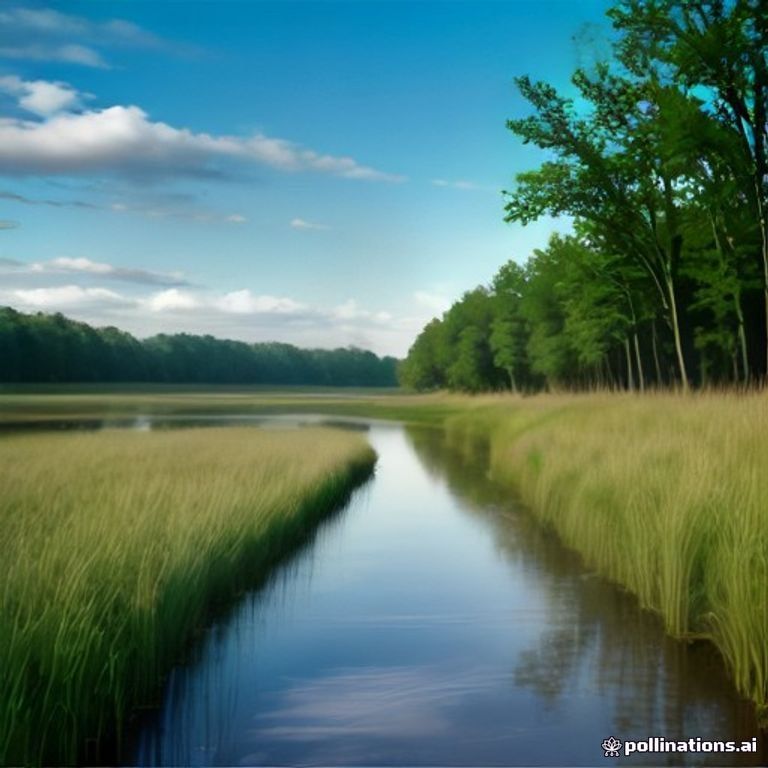
In 2026, Buffalo’s Tifft Nature Preserve will mark a monumental occasion: its 50th anniversary. This celebration is not just a commemoration of time but a testament to an extraordinary transformation, as a former industrial landfill has evolved into a vibrant 264-acre ecological sanctuary. The story of Tifft Nature Preserve is one of visionary leadership, tireless dedication, and the remarkable resilience of nature, offering an inspiring blueprint for urban ecological restoration worldwide.
From Landfill to Legacy: Tifft Nature Preserve’s Half-Century Milestone
The journey of Tifft Nature Preserve began not amidst pristine wilderness, but atop a landscape scarred by human industry. For decades, the site served as a dumping ground for railroad fill and municipal waste, an unsightly and ecologically barren stretch on Buffalo’s waterfront. By the early 1970s, as environmental awareness grew, a different vision began to take shape. A coalition of local environmentalists, civic leaders, and dedicated volunteers envisioned not merely remediating the site but transforming it into a thriving natural space, accessible to all.
The ambitious project to convert the landfill into a nature preserve was groundbreaking for its time. It required innovative engineering solutions to cap and contain the waste while simultaneously designing and implementing ecological restoration strategies. Wetlands were meticulously sculpted, native plant species were reintroduced, and diverse habitats were carefully cultivated to attract wildlife. This monumental undertaking laid the foundation for the preserve we see today, a living laboratory where nature reclaims its dominion.
A Biodiverse Haven in the Heart of Buffalo
Today, Tifft Nature Preserve stands as a remarkable example of successful urban ecological renewal. Its 264 acres encompass a rich tapestry of habitats, each playing a crucial role in supporting an astonishing array of biodiversity. Lush woodlands provide shelter and sustenance, open grasslands offer foraging grounds, and expansive freshwater wetlands teem with life, acting as natural filters and vital breeding grounds.
- Wetlands: The preserve’s extensive wetland systems are a highlight, featuring emergent marshes, shallow ponds, and deeper open water areas. These wetlands are crucial for supporting amphibians, reptiles, and a vast number of invertebrate species, which in turn form the base of the food web. They also serve as critical stopover points for migratory birds.
- Woodlands: Mature woodlands, including areas of both deciduous and coniferous trees, offer dense canopy cover and diverse understories. These habitats support a range of forest-dwelling birds, small mammals, and insect populations.
- Grasslands: Open grassland areas provide habitat for ground-nesting birds, insects, and small mammals, contributing to the overall ecological mosaic.
The success of these restoration efforts is perhaps best exemplified by the sheer variety of wildlife that now calls Tifft home. Over 260 species of birds have been documented within the preserve, cementing its reputation as a premier birdwatching destination in Western New York. From majestic raptors soaring overhead to secretive warblers flitting through the undergrowth and diverse waterfowl gracing its ponds, Tifft offers an unparalleled opportunity for avian observation. Beyond birds, the preserve supports a healthy population of mammals, including deer, foxes, muskrats, and beavers, along with numerous reptile and amphibian species, insects, and aquatic life.
Connecting People with Nature: Trails, Education, and Research
Beyond its ecological significance, Tifft Nature Preserve plays a vital role in connecting the community with the natural world. Its network of accessible trails invites visitors of all ages and abilities to explore its diverse landscapes. Whether for a leisurely stroll, a brisk hike, or quiet contemplation, the trails offer a unique opportunity to immerse oneself in nature just minutes from downtown Buffalo.
The preserve is more than just a place for recreation; it is a dynamic center for environmental education and scientific research. Throughout the year, Tifft hosts a variety of educational programs designed for school groups, families, and individuals. These programs foster environmental literacy, teach about local ecosystems, and inspire a deeper appreciation for conservation. From guided nature walks to hands-on workshops, Tifft serves as an outdoor classroom, nurturing the next generation of environmental stewards.
Furthermore, Tifft Nature Preserve is a crucial site for ongoing ecological research. Scientists and students utilize the preserve’s diverse habitats to study everything from bird migration patterns and wetland hydrology to plant succession and the impact of climate change on urban ecosystems. This research contributes invaluable data to global conservation efforts and informs best practices for future restoration projects. The preserve’s unique history as a former landfill also makes it an ideal location for studying long-term remediation success and the natural processes of ecological recovery.
The Enduring Legacy of Tifft: A Model for the World
As Tifft Nature Preserve approaches its half-century mark, its story resonates far beyond the confines of Buffalo. It stands as a powerful symbol of what is possible when communities commit to environmental healing and sustainable development. In an increasingly urbanized world, the transformation of a polluted industrial site into a thriving natural sanctuary offers a compelling model for cities grappling with similar environmental challenges.
The preserve’s commitment to accessibility ensures that nature remains available to everyone, promoting physical and mental well-being for urban dwellers. Its role as an educational hub empowers individuals with knowledge and inspires action, while its contributions to scientific research push the boundaries of our understanding of ecological processes.
Looking ahead, Tifft Nature Preserve continues to evolve. Future initiatives may focus on expanding habitat corridors, implementing innovative climate resilience strategies, and enhancing visitor experiences while maintaining the delicate balance of its ecosystems. The ongoing dedication of staff, volunteers, and community partners will be crucial in ensuring Tifft remains a beacon of hope and a testament to the enduring power of conservation for another fifty years and beyond.
Conclusion: A Green Heart in the City
The 50th anniversary of Tifft Nature Preserve in 2026 is a moment to reflect on an extraordinary achievement: the remarkable rebirth of a landscape and the enduring commitment of a community. From its humble origins as a landfill, Tifft has blossomed into a vital ecological haven, a living classroom, and a beloved urban sanctuary. It reminds us that even the most damaged landscapes can be restored, that nature can reclaim its place, and that with vision and concerted effort, we can build a greener, healthier future for all. Tifft Nature Preserve is not just a success story; it is a continuous narrative of hope, resilience, and the profound connection between humanity and the natural world.