
 By NewsMatrix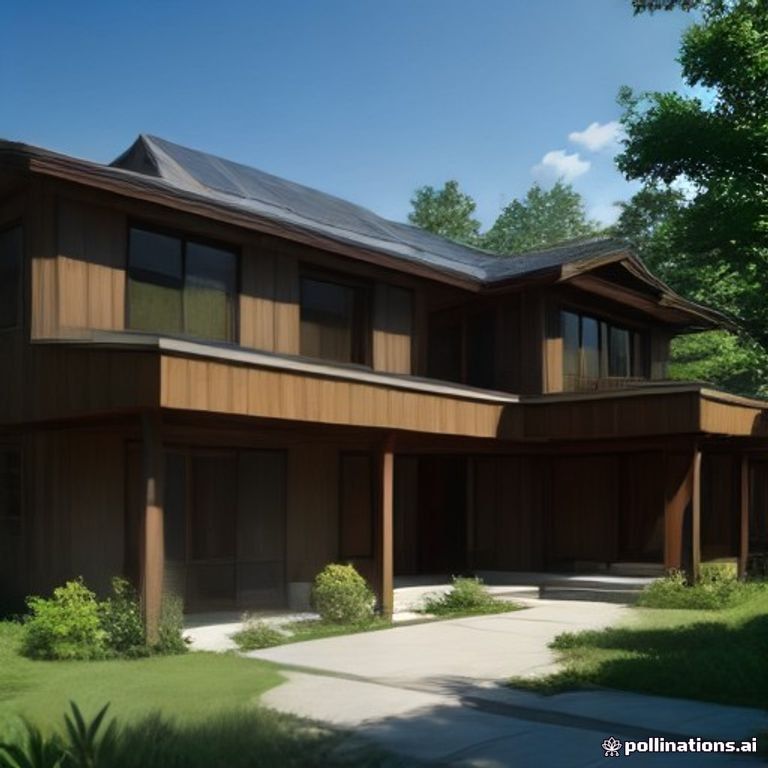
Palo Alto Sustainable Home: Larry Page’s Vision and Neighborhood Concerns
The late 2000s in Palo Alto, California, a nexus of innovation and affluence, witnessed a quiet yet significant development that would soon stir community debate. Larry Page, the visionary co-founder of Google, embarked on a personal project that encapsulated both cutting-edge sustainability and the challenges of integrating grand designs into established neighborhoods. His plan for a sprawling 6,000-square-foot dwelling, meticulously designed with nature as its muse, promised to redefine eco-luxury living. This ambitious project, often referred to as the Palo Alto Sustainable Home, was set to feature an array of green technologies, including an extensive solar panel array and an innovative garden gracing its roof. While the architectural community and environmentalists keenly watched the unfolding of such a pioneering residential concept, the actualization of Page’s dream ignited a fervent discussion among residents concerning the delicate balance between progress and the preservation of neighborhood integrity. This article delves into the genesis of this remarkable property, the sustainable innovations it was poised to introduce, and the complex socio-architectural dialogue it sparked in one of the world’s most dynamic urban landscapes.
A Vision of Green Luxury: The Design Philosophy
Larry Page’s foray into sustainable residential architecture was not merely a private indulgence but a potential blueprint for future eco-conscious development. The core philosophy behind the 6,000-square-foot edifice was a deep respect for the environment and an unwavering commitment to reducing ecological footprint, even within the confines of a luxury residence. Designed to blend seamlessly with its natural surroundings, the home’s aesthetics were envisioned as a harmonious interplay of organic forms and modern functionality. Key to its sustainable credentials were the planned installation of numerous solar panels, strategically positioned to maximize energy capture and significantly offset the home’s power consumption. This commitment to renewable energy positioned the residence as a beacon of self-sufficiency.
Beyond mere electricity generation, the design incorporated a revolutionary concept: a verdant garden adorning the rooftop. This green roof was not just for aesthetic appeal; it served multiple ecological purposes. It would act as a natural insulator, moderating indoor temperatures and thereby reducing the need for artificial heating and cooling. Furthermore, it promised to manage stormwater runoff, mitigate the urban heat island effect, and provide a habitat for local flora and fauna, transforming what would typically be a barren surface into a thriving mini-ecosystem. The choice of building materials was equally deliberate, prioritizing reclaimed, recycled, and locally sourced resources to minimize the embodied energy of the structure. Advanced water recycling systems, efficient HVAC units, and smart home technology designed to optimize energy usage were all integral components of Page’s vision, aiming for a dwelling that was not only luxurious but also profoundly responsible. The ambition was clear: to demonstrate that high-tech luxury and environmental stewardship could coexist, pushing the boundaries of what was achievable in residential construction.
Strategic Acquisitions and Expanding Footprint
The genesis of this ambitious project began with Page’s strategic acquisition of multiple contiguous parcels of land in a desirable Palo Alto neighborhood. This consolidation was crucial, providing the necessary acreage to accommodate a home of such grand scale and its expansive environmental features, which included significant landscaping designed to further integrate the structure with nature. The process of piecing together these properties allowed for a cohesive design vision, free from the constraints of smaller, isolated lots. This method of property aggregation, while common for large-scale developments, often draws scrutiny in established residential areas where lot sizes and density are carefully regulated and cherished by existing residents.
The accumulation of land by a high-profile individual like Page, coupled with the announcement of a large, innovative construction, naturally amplified local interest and, eventually, concern. It signaled a shift from typical suburban residential development to something more akin to a private estate, raising questions about the future character of the neighborhood and setting a precedent for future developments by other affluent individuals. The sheer scale, approximately 6,000 square feet, significantly surpassed the average home size in many parts of Palo Alto, immediately drawing attention to its potential impact on the existing streetscape and the community’s overall aesthetic.
Community Backlash: Preserving Neighborhood Integrity
While the ecological merits of Page’s proposed home were widely lauded, its physical manifestation in a quiet residential street quickly ignited a significant controversy, highlighting the perennial tension between individual property rights and the collective good of a community. The primary concern revolved around the “preservation of neighborhood integrity.” Residents expressed fears that the massive scale of the new dwelling, even with its green credentials, would fundamentally alter the established character of the area. Concerns included:
- Scale and Massing: A 6,000-square-foot home, particularly one with a multi-parcel footprint, was perceived as disproportionately large compared to existing homes, potentially overshadowing neighboring properties and disrupting the visual harmony of the street.
- Precedent Setting: Many worried that approving such a large-scale project would set a precedent, encouraging other wealthy individuals to pursue similar expansive developments, thereby accelerating a shift towards McMansionization, which many residents found undesirable.
- Construction Disruption: The sheer duration and intensity of constructing such an elaborate home inevitably led to prolonged noise, dust, increased traffic from construction vehicles, and potential impacts on local infrastructure—all significant sources of frustration for immediate neighbors.
- Privacy Concerns: The height and design of the new structure, especially with its rooftop garden features, raised privacy issues for adjacent homeowners, who feared their properties would be overlooked.
- Shadowing and Sunlight Access: Concerns were also voiced about potential shadowing effects on neighboring yards and homes, impacting their access to natural light and usable outdoor space.
- Property Value Impact: While large, luxury homes often increase overall property values, some residents feared that a dramatically different architectural style or an overly imposing structure could negatively impact the desirability and values of older, smaller homes in the immediate vicinity.
The debate underscored a broader philosophical question facing many affluent communities: how to embrace innovation and sustainable practices without eroding the unique charm and livability that drew residents there in the first place. Public meetings, local news reports, and community forums became platforms for passionate discussions, revealing a clear divide between those who celebrated the pioneering aspects of Page’s home and those who prioritized the established residential fabric and quality of life. The controversy illustrated the complexities of urban planning in areas undergoing rapid transformation, where the influx of wealth and new development concepts constantly challenges existing community norms and regulatory frameworks.
Broader Implications: Tech Wealth, Sustainability, and Urban Planning
The story of Larry Page’s sustainable home in Palo Alto transcends a local planning dispute; it serves as a microcosm for several pressing global and societal trends. Firstly, it highlights the increasing influence of technology wealth on urban landscapes, particularly in hubs like Silicon Valley. The ability of individuals to acquire multiple properties and embark on ambitious, large-scale residential projects raises questions about equitable development, gentrification, and the changing demographics of traditional neighborhoods. As tech giants expand and attract more high-net-worth individuals, the pressure on housing, infrastructure, and community character intensifies, often leading to clashes between long-term residents and new arrivals with different visions for their environment.
Secondly, the project underscored the growing imperative for sustainable living and architectural innovation. In an era dominated by climate change concerns, Page’s commitment to solar power, green roofs, and resource-efficient design resonated deeply with environmental advocates. It demonstrated that even high-end residential construction could aspire to significant ecological responsibility, setting a powerful example for sustainable luxury. This aspect of the project became a talking point in broader discussions about how individuals, even those with immense resources, can contribute to environmental solutions through personal choices and development projects.
Lastly, the controversy illuminated the intricate dynamics of urban planning and community engagement. Local governments are continuously tasked with balancing individual property rights, economic development, and the preservation of community character. The Palo Alto case became a classic example of how even well-intentioned, environmentally friendly projects can face hurdles when they challenge deeply ingrained community aesthetics and values. It forced a dialogue about the role of design review boards, zoning regulations, and public input in shaping the future of residential areas, reminding stakeholders that “progress” must always be viewed through the lens of community impact and acceptance. The implications extend beyond Palo Alto, offering lessons for cities worldwide grappling with similar issues of growth, wealth disparity, and sustainable development.
Conclusion: Innovation vs. Integration
Larry Page’s aspiration for a state-of-the-art Palo Alto Sustainable Home stands as a compelling narrative of innovation meeting local resistance. It represents a bold attempt to fuse cutting-edge green technology with opulent living, aiming to create a dwelling that is both a personal sanctuary and an environmental statement. From its extensive solar arrays to its pioneering rooftop garden, the design championed a future where residential architecture actively contributes to ecological well-being. Yet, the path to realizing this vision was not without its impediments. The ensuing controversy, rooted in legitimate concerns about neighborhood integrity, scale, and precedent, highlighted the delicate balance communities must strike when confronted with ambitious new developments. The project became a crucial case study, illustrating that even the most environmentally conscious endeavors require careful consideration of their social and visual impact on existing communities. Ultimately, the story of Page’s Palo Alto residence is more than just about a house; it’s about the ongoing global dialogue between technological progress, environmental stewardship, and the preservation of communal identity in an ever-evolving urban landscape. It serves as a reminder that true innovation must not only look forward to a greener future but also respectfully engage with the present fabric of its surroundings.