
 By NewsMatrix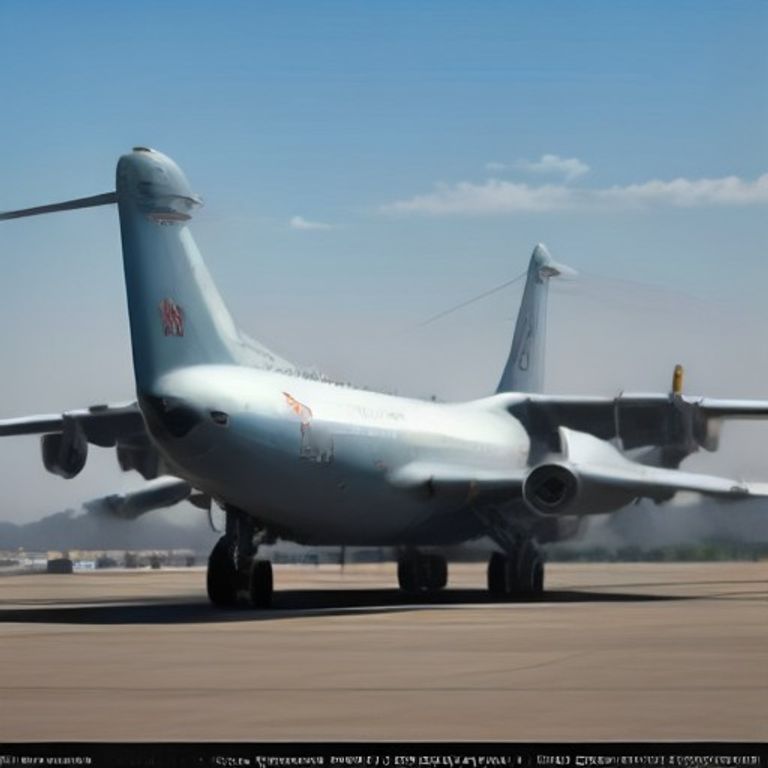
Russian Aircraft Lands in Noida Ahead of Pivotal BRICS Summit in New Delhi
A significant diplomatic prelude to the much-anticipated **BRICS Summit** in New Delhi unfolded recently with the landing of a Russian transport aircraft at the Noida International Airport. This arrival signals the advanced stages of preparation for the high-stakes multilateral event, which is expected to see the convergence of leaders from Brazil, Russia, India, China, and South Africa. Among the most prominent attendees will be Russian President Vladimir Putin, whose visit is poised to underscore the strategic depth of the BRICS grouping and the enduring strength of India-Russia bilateral relations. President Putin is not only slated to participate in the summit’s plenary sessions but is also scheduled for a crucial bilateral meeting with Prime Minister Narendra Modi on Friday, a discussion expected to delve into expanding cooperation and addressing key global and regional issues.
The early arrival of the Russian aircraft, a logistical move often preceding high-level diplomatic visits, highlights the meticulous planning and security arrangements being put in place for the summit. Noida International Airport, a relatively new facility, is demonstrating its capacity to handle international traffic of strategic importance, playing a silent yet critical role in hosting one of the year’s most significant geopolitical gatherings. This event comes at a time of considerable global flux, making the outcomes of the BRICS Summit and the bilateral engagements particularly impactful for international diplomacy and economic cooperation.
The Significance of the Russian Advance Party
The landing of the Russian transport aircraft at Noida International Airport serves as more than just a logistical exercise; it carries significant symbolic weight. Such an advance deployment is a standard operating procedure for high-profile presidential visits, ensuring all necessary equipment, personnel, and security protocols are meticulously established ahead of the principal delegation’s arrival. For a leader of President Putin’s stature, these preparations are exceptionally stringent, reflecting the geopolitical importance of his visit to India.
The choice of Noida International Airport also underscores its growing prominence as a key infrastructure asset in the National Capital Region. While Indira Gandhi International Airport in Delhi typically handles most international VVIP arrivals, the use of Noida’s facility could be indicative of specific logistical or security considerations, or simply a testament to the new airport’s capabilities. This early presence not only ensures the seamless execution of President Putin’s schedule but also provides a visible sign of Russia’s commitment and seriousness regarding the upcoming BRICS engagements and its strategic partnership with India. It sets a formal tone for the diplomatic exchanges to follow, marking the beginning of intense discussions that will shape future collaborations.
BRICS Summit: A Platform for Multilateralism and Cooperation
The **BRICS Summit** in New Delhi arrives at a critical juncture in international relations, with geopolitical tensions, economic shifts, and calls for a more multipolar world order dominating the global discourse. BRICS, an acronym for Brazil, Russia, India, China, and South Africa, represents a collective of major emerging economies that together account for over 40% of the world’s population and approximately 25% of the global GDP. The grouping has evolved from a purely economic forum to one that increasingly addresses political and security issues, advocating for reforms in global governance and promoting a more inclusive international system.
Key themes expected to feature prominently on the summit’s agenda include enhancing economic cooperation, boosting trade and investment among member states, and strengthening financial mechanisms like the New Development Bank (NDB). Discussions will likely cover strategies to mitigate global economic headwinds, promote sustainable development goals, and foster greater collaboration in areas such as technology, health, and climate change. Furthermore, the summit provides a crucial platform for member countries to coordinate positions on pressing global issues, offering a counter-narrative to existing Western-dominated international frameworks. The emphasis on strengthening multilateralism and advocating for the interests of the Global South will be a recurring motif throughout the deliberations.
President Putin’s Expected Visit: A Geopolitical Statement
President Vladimir Putin’s anticipated arrival in New Delhi for the **BRICS Summit** is a geopolitical event of considerable magnitude. His presence at such a high-profile international forum, especially amidst ongoing global challenges and sanctions against Russia, sends a strong message about Russia’s enduring diplomatic engagement and its strategic partnerships. For India, hosting President Putin reaffirms its commitment to an independent foreign policy, maintaining strong ties with traditional allies while navigating complex global alignments.
Putin’s participation will allow Russia to directly engage with key partners on a range of issues, from economic resilience in the face of sanctions to shared perspectives on global security. It offers an opportunity for Russia to articulate its vision for a multipolar world order and to emphasize the importance of non-Western-centric institutions like BRICS. The visit is particularly significant for India, as it demonstrates the robust nature of the India-Russia special and privileged strategic partnership, which encompasses deep cooperation in defense, energy, and space, among other sectors. The optics of Putin and Modi engaging on the sidelines of the summit will be closely watched by international observers, signaling the continued vitality of their bilateral relationship.
The Crucial Modi-Putin Bilateral Meeting
Beyond the collective deliberations of the **BRICS Summit**, the scheduled bilateral meeting between Prime Minister Narendra Modi and President Vladimir Putin on Friday is arguably one of the most anticipated events. This direct engagement provides a vital avenue for the leaders to discuss the multifaceted dimensions of the India-Russia relationship, which has historically been characterized by trust and strategic convergence. The agenda for their discussions is expected to be expansive, covering an array of topics pertinent to both nations’ interests.
- Defence Cooperation: India remains a significant purchaser of Russian military hardware, and discussions are likely to revolve around ongoing defence projects, future acquisitions, and joint ventures, including the supply of S-400 missile systems and other advanced weaponry.
- Energy Security: Cooperation in the energy sector, including crude oil supplies and potential new projects in nuclear energy and natural gas, will be a key focus. India’s increased energy imports from Russia have become a notable aspect of their economic ties.
- Trade and Investment: Both leaders are keen to diversify and expand bilateral trade beyond traditional sectors. Efforts to resolve payment mechanisms, enhance market access, and explore new investment opportunities will be on the table.
- Regional and Global Issues: Discussions will undoubtedly touch upon regional stability, including the situation in Afghanistan, and broader geopolitical developments. Perspectives on the ongoing conflict in Ukraine and its implications for global stability are also likely to be shared.
- Science and Technology: Opportunities for collaboration in emerging technologies, space exploration, and scientific research could also be explored, building on a long history of technological partnership.
The meeting is crucial for reaffirming the strategic alignment between India and Russia, demonstrating their ability to sustain a strong partnership even amid evolving global dynamics and pressures. It is an opportunity for both leaders to fine-tune their approaches to common challenges and to consolidate a relationship that is vital for regional and international stability.
Russia’s Vision for BRICS Expansion
A significant aspect of Russia’s agenda at the upcoming **BRICS Summit** will be its strong advocacy for greater cooperation among member countries and, crucially, the idea of inviting new members. Russia views the expansion of BRICS as a strategic imperative to strengthen the grouping’s collective influence on the global stage and to promote a more multipolar world order, less reliant on existing Western-dominated institutions.
Russia believes that a larger BRICS membership would enhance the bloc’s economic heft, geopolitical reach, and ability to champion the interests of the Global South. By bringing in new economies, particularly those from Africa, Latin America, and Asia, BRICS could further consolidate its position as an alternative platform for trade, finance, and diplomatic engagement. Moscow sees this expansion as a direct response to the perceived unipolarity of the international system and an effort to create a more balanced global power distribution. Discussions on criteria for new membership, the pace of expansion, and the implications for the group’s decision-making processes will be central to the summit’s deliberations. Several countries have expressed interest in joining, underscoring the growing appeal of BRICS as a significant player in shaping future international relations.
India’s Strategic Balancing Act and the Global South
As the host of the **BRICS Summit**, India finds itself in a pivotal position, navigating a complex geopolitical landscape while championing the interests of the Global South. India’s foreign policy is characterized by strategic autonomy, seeking to maintain robust relationships with both traditional allies like Russia and emerging partners in the West. The summit provides India with a unique platform to demonstrate its leadership in multilateral forums and to articulate its vision for a more equitable and inclusive global order.
India’s presidency of BRICS has focused on strengthening intra-BRICS cooperation, promoting economic recovery, and advancing sustainable development. Delhi is keen to leverage the summit to push for reforms in international institutions, ensuring they are more representative of contemporary global realities. While supportive of expanding BRICS, India also emphasizes the need for a cautious and consensual approach to ensure the cohesion and effectiveness of the grouping. The summit will be a testament to India’s ability to balance its strategic interests, deepen its partnerships, and play a constructive role in shaping global governance, all while advocating for the collective voice and aspirations of developing nations worldwide.
The Broader Global and Economic Implications
The **BRICS Summit** in New Delhi, coupled with the high-stakes bilateral meeting between Prime Minister Modi and President Putin, carries profound global and economic implications. A strengthened BRICS, potentially with expanded membership, could significantly alter global power dynamics, fostering a more multipolar world. Economically, increased cooperation within BRICS, including efforts to de-dollarize trade and promote local currency use, could have long-term effects on international financial systems and global trade flows.
The summit also serves as a crucial barometer of the health and direction of South-South cooperation. The ability of BRICS nations to forge common ground on issues ranging from climate change to digital transformation will be closely watched. For India and Russia, the bilateral discussions will reinforce a relationship that has historically provided stability and strategic depth. The outcomes of these engagements will not only influence the future trajectory of the BRICS grouping but also send clear signals about the evolving nature of international alliances and the ongoing recalibration of global economic and political power. The decisions made in New Delhi will undoubtedly resonate across continents, influencing policy-making and strategic thinking for years to come.
Conclusion: A Defining Moment for BRICS and Global Diplomacy
The arrival of the Russian transport aircraft at Noida International Airport ahead of the **BRICS Summit** in New Delhi marks the initial phase of what promises to be a defining moment for the grouping and for global diplomacy. With President Vladimir Putin’s imminent arrival and his scheduled bilateral meeting with Prime Minister Narendra Modi, the stage is set for intensive discussions that will span economic cooperation, geopolitical strategies, and the future trajectory of multilateralism. Russia’s strong support for greater collaboration among BRICS members and its advocacy for expansion underscore a collective ambition to reshape the international order.
As the world watches, the deliberations in New Delhi will be crucial in determining the path forward for BRICS, its role in advocating for the Global South, and its potential to foster a more balanced and representative global governance structure. The summit and the high-level bilateral engagements will not only deepen existing partnerships but also lay the groundwork for new avenues of cooperation, influencing trade, security, and diplomatic relations for years to come. The outcomes will undoubtedly reaffirm the growing influence of non-Western blocs and the enduring significance of strategic partnerships in an increasingly interconnected and complex world.