
 By NewsMatrix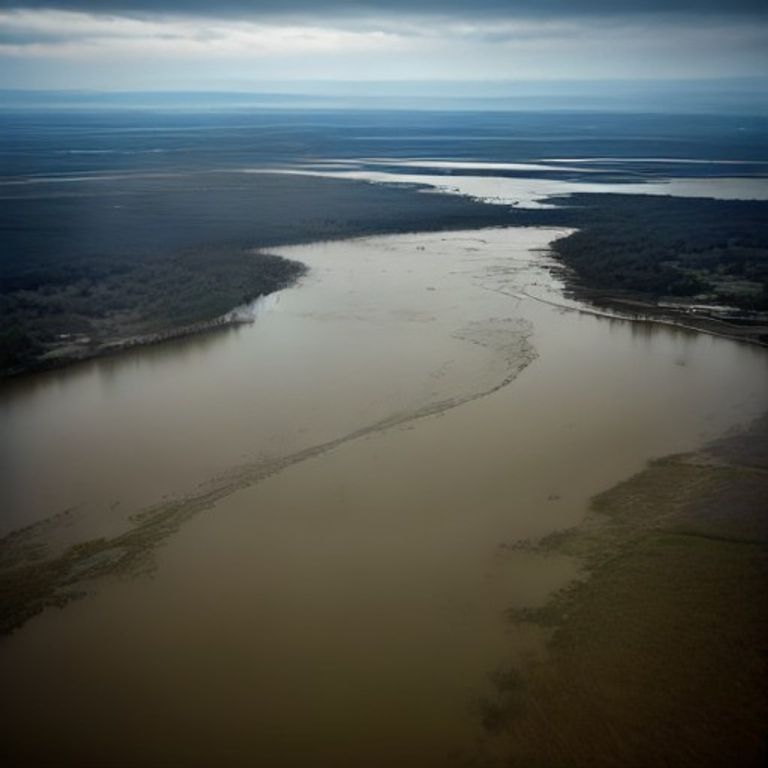
Bihar Flood Crisis: Over 19.57 Lakh Affected as Ganga Breaches Record Levels
Patna, India – The Indian state of Bihar is currently in the throes of a severe Bihar flood crisis, with over 19.57 lakh (1.957 million) individuals across eleven districts grappling with the devastating impact of incessant rain and rising river waters. The situation has escalated dramatically, as the mighty Ganga River has surpassed its previously recorded flood level at Gandhi Ghat in Patna, triggering widespread alarm and prompting authorities to issue heightened alerts for downstream localities. With several other major rivers also flowing above danger marks and meteorologists predicting further precipitation, the outlook for the region remains deeply concerning, demanding urgent and coordinated relief efforts.
Introduction: A State Submerged in Crisis
Bihar, a state perennially vulnerable to monsoon floods, finds itself facing one of its most challenging humanitarian situations in recent memory. The sheer scale of the displacement and suffering is immense, with nearly two million people directly impacted by the relentless inundation. Families have been forced to abandon their homes, farmlands lie submerged, and essential infrastructure is under severe strain. The record-breaking water levels in the Ganga at a crucial monitoring point underscore the gravity of the situation, signaling a potential worsening of conditions in areas further downstream, where millions more reside.
The state government, in conjunction with national disaster response forces, has ramped up rescue and relief operations, but the magnitude of the disaster presents formidable logistical challenges. Ensuring the safety, shelter, food, and medical care for such a vast displaced population is a monumental task that requires sustained commitment and resources. As the waters continue to rise in many areas, the immediate focus remains on saving lives and providing essential aid to those marooned or seeking refuge on higher ground.
The Expanding Footprint of Devastation: Affected Districts and Population
The eleven districts bearing the brunt of this catastrophic flooding stretch across significant swathes of Bihar, impacting both rural and semi-urban populations. Communities in districts such as Patna, Bhagalpur, Katihar, Khagaria, Munger, Samastipur, Begusarai, Vaishali, Saran, Bhojpur, and Buxar are among the worst affected. The sheer number of individuals – exceeding 1.957 million – underscores the widespread nature of the calamity, with countless villages completely submerged and cut off from essential services.
For many residents, especially those in low-lying areas, the annual monsoon brings a familiar dread, but the current season has proven exceptionally harsh. Homes constructed of mud and thatch have been washed away, while even sturdier structures find their ground floors inundated. The suddenness and intensity of the water surge have left many with little time to salvage belongings, resulting in significant material losses alongside the profound emotional toll of displacement and uncertainty.
The demographic vulnerability of the affected population further compounds the crisis. Many are subsistence farmers or daily wage earners, whose livelihoods have been completely destroyed. The agricultural sector, the backbone of Bihar’s economy, has taken a massive hit, with vast tracts of paddy, maize, and other crops submerged, portending future food security challenges and long-term economic recovery hurdles for the state.
Ganga’s Fury: Breaching Record Levels at Gandhi Ghat
The Ganga River, often revered as a lifeline, has transformed into a source of immense peril. Its unprecedented rise at Gandhi Ghat in Patna is a critical indicator of the severity of the situation. This particular gauge point is historically significant and breaching its previous record level signals an alarming escalation. The implications of this are far-reaching, as the surging waters now threaten densely populated urban and rural areas further downstream.
Authorities have swiftly escalated alert levels for communities located along the river’s banks and in floodplains, urging residents to move to safer locations. The concern is not merely about the immediate inundation but also the potential for prolonged waterlogging, which can lead to a host of secondary problems, including waterborne diseases, sanitation crises, and difficulties in accessing relief. The sheer volume of water being carried by the Ganga, augmented by its tributaries, creates immense pressure on embankments and flood protection infrastructure, necessitating continuous monitoring and reinforcement efforts.
The historical context reveals that while the Ganga has always been prone to seasonal swelling, a breach of record levels at a major monitoring station like Gandhi Ghat is a stark reminder of the increasing intensity of monsoon events, potentially exacerbated by changing climate patterns and upstream dam discharges. This calls for a re-evaluation of existing flood management strategies and a proactive approach to disaster preparedness.
Other Rivers Swell: A Multi-Front Challenge
Beyond the Ganga, several other rivers that crisscross Bihar are also flowing dangerously above their respective red marks. Rivers such as the Kosi, Bagmati, Burhi Gandak, Kamala Balan, Mahananda, and Adhwara group of rivers have contributed significantly to the widespread flooding. The confluence of these swollen rivers amplifies the challenge, creating a complex web of inundation that makes rescue and relief operations incredibly difficult.
The Kosi River, often dubbed the “Sorrow of Bihar,” is notoriously unpredictable, and its rising levels always trigger high anxiety among residents. Its tendency to shift course and breach embankments has historically caused immense destruction. While significant engineering efforts have been made to tame the Kosi, the current high water levels test the resilience of these structures and the communities living alongside them.
The cumulative effect of multiple rivers exceeding danger levels means that relief efforts cannot be concentrated in just one area. Resources, personnel, and equipment must be strategically deployed across multiple fronts, stretching the capacity of disaster management agencies. This multi-front challenge necessitates robust coordination between various government departments, non-governmental organizations, and local communities to ensure effective response and aid distribution.
The Grim Forecast: More Rain on the Horizon
Adding to the already dire situation, meteorological predictions indicate a continuation of rainfall in the catchment areas of these rivers and within Bihar itself. This forecast paints a grim picture, suggesting that the water levels, which are already at perilous heights, are likely to rise further before any significant respite can be expected. Such persistent rainfall impedes the natural drainage process, prolonging the period of inundation and exacerbating the suffering of affected populations.
The prospect of additional water rises intensifies the urgency of evacuation efforts in vulnerable areas. It also poses a significant risk to the health and hygiene of those in temporary shelters, as prolonged exposure to damp conditions and stagnant water increases the risk of waterborne diseases like cholera, typhoid, and dengue. Medical teams are on high alert, preparing for potential outbreaks and ensuring the availability of essential medicines and healthcare services.
Authorities are closely monitoring weather patterns and river discharge data from upstream regions to anticipate potential surges and issue timely warnings. However, the inherent unpredictability of monsoon rains in the Himalayan foothills, where many of Bihar’s rivers originate, makes precise forecasting a continuous challenge.
Relief and Rescue Operations: A Race Against Time
In response to the escalating crisis, the Bihar government, backed by the National Disaster Response Force (NDRF) and State Disaster Response Force (SDRF) teams, has mobilized extensive relief and rescue operations. Hundreds of specialized personnel, equipped with boats, life jackets, and essential supplies, are working tirelessly day and night to evacuate marooned villagers, transport them to safer locations, and provide immediate assistance.
- Evacuation: Thousands of people have been evacuated from flood-affected villages and moved to temporary relief camps established on higher ground. These camps offer basic amenities such as shelter, food, drinking water, and medical aid.
- Food and Water Distribution: Dry rations, cooked meals, and clean drinking water are being distributed to flood victims. Efforts are underway to ensure that even the most remote and cut-off areas receive essential supplies.
- Medical Camps: Mobile medical teams and temporary health camps have been set up in relief centers and accessible areas to address health concerns, provide first aid, and distribute necessary medicines, particularly for waterborne diseases and snakebites.
- Livestock Management: The welfare of livestock, crucial for the rural economy, is also a concern. Efforts are being made to move animals to higher ground and provide fodder.
- Infrastructure Repair: As soon as water levels recede, rapid assessment and repair of damaged roads, bridges, and embankments will be crucial to restore connectivity and facilitate rehabilitation.
Despite these extensive efforts, the sheer scale of the disaster means that challenges persist. Reaching every affected individual in remote villages, particularly where communication networks are disrupted, remains a formidable task. The continuous rise in water levels in certain areas also necessitates repeated evacuation efforts, straining resources and personnel.
The Human Cost and Long-Term Implications
The human cost of the Bihar flood crisis extends far beyond immediate displacement. The loss of homes, crops, and livestock represents a severe blow to the economic well-being of millions. Children’s education is disrupted as schools are either submerged or repurposed as relief camps. The psychological trauma of witnessing one’s life possessions being swept away, coupled with the uncertainty of the future, takes a heavy toll on mental health.
In the aftermath, the challenge of rehabilitation will be immense. Rebuilding homes, restoring livelihoods, and ensuring long-term food security will require substantial financial investment and a sustained, multi-year recovery plan. The government will need to focus on providing compensation for crop losses, offering low-interest loans for rebuilding, and implementing employment generation schemes to help communities get back on their feet.
Furthermore, the repeated nature of such devastating floods in Bihar underscores the urgent need for robust long-term flood management strategies. This includes strengthening river embankments, improving drainage systems, developing early warning systems that effectively reach last-mile communities, and implementing sustainable land use practices. Addressing the broader implications of climate change, which likely contributes to more intense and unpredictable monsoon patterns, will also be critical for the state’s future resilience.
Conclusion: A Call for Sustained Support and Resilience
The severe Bihar flood crisis, currently engulfing over 19.57 lakh individuals across eleven districts, presents an urgent humanitarian challenge that demands national and international attention. With the Ganga River breaching record levels and other major rivers swollen, the immediate future remains precarious, further complicated by ongoing rain predictions. While relief and rescue operations are in full swing, the sheer scale of the disaster calls for sustained support, not only in terms of immediate aid but also for long-term rehabilitation and robust flood mitigation strategies.
The resilience of the people of Bihar is being tested once again, but their ability to rebuild and recover will depend heavily on the continued efforts of government agencies, aid organizations, and the wider community. As NewsMatrix continues to monitor this evolving situation, the focus remains on ensuring that adequate resources reach those most in need, and that lessons learned from this crisis contribute to a more flood-resilient Bihar in the years to come.