
 By NewsMatrix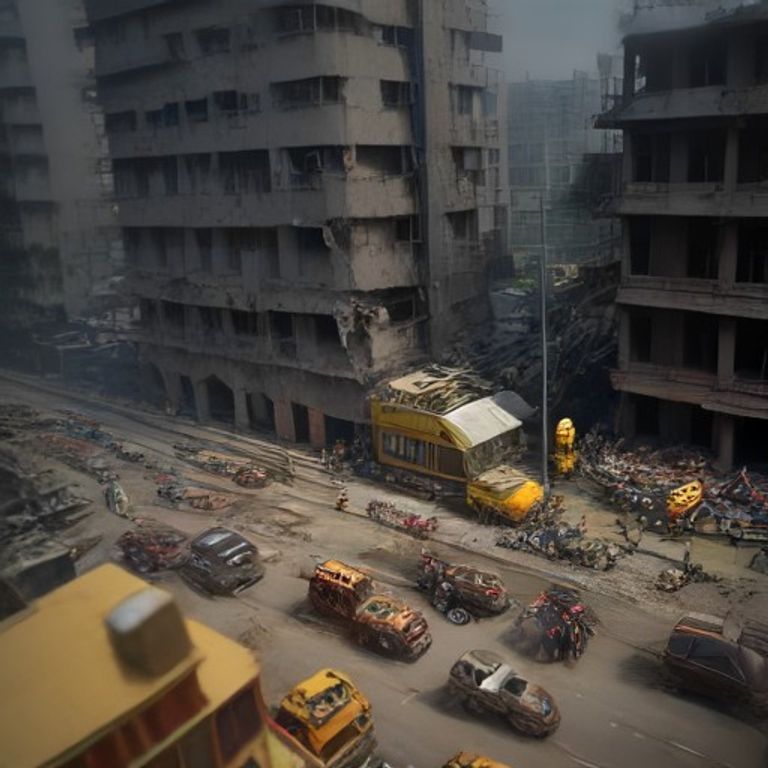
Tragedy Strikes Satya Niketan: Delhi Building Collapse Sparks Major Rescue Operation
New Delhi – A somber Sunday afternoon descended upon Satya Niketan, Moti Bagh, as a significant Delhi building collapse sent shockwaves through the bustling locality. The incident, occurring near the revered Shiv Mandir, prompted an immediate and extensive response from the Delhi Fire Services (DFS) and other emergency units, highlighting the ever-present challenges of urban infrastructure safety in rapidly developing metropolitan areas. As rescue operations commenced with urgency, concerns mounted for individuals reported to be trapped beneath the considerable debris, casting a pall of apprehension over the community.
Immediate Response: A Race Against Time
The alarm bells rang at precisely 1:33 pm on Sunday, May 26, when the Delhi Fire Services control room received a distress call reporting the calamitous event. Without a moment’s hesitation, the DFS sprang into action, mobilizing multiple rescue crews with the precision and speed demanded by such a critical situation. Within a mere seventeen minutes, by 1:50 pm, the first responders had navigated through the city’s traffic and arrived at the scene, a testament to the efficiency and dedication of the emergency services. Upon arrival, the grim reality of the collapse became evident: a structure reduced to a chaotic pile of rubble, with the immediate priority being the search for potential survivors.
The immediate deployment included specialized units crucial for complex urban search and rescue missions. Teams equipped for Search and Rescue operations were at the forefront, meticulously sifting through the collapsed material, often by hand, in a desperate bid to locate any signs of life. Concurrently, Breathing Apparatus teams were deployed, prepared to navigate hazardous environments where dust, lack of oxygen, or toxic fumes could compromise rescue efforts. The presence of Water Bowser operations underscored the comprehensive nature of the response, ready to tackle any potential fire hazards, dampen dust, or provide water for various operational needs. The collective expertise and rapid coordination of these teams were paramount in establishing a secure perimeter and initiating the painstaking process of rescue and recovery.
The Scene of Devastation: A Community Holds Its Breath
Satya Niketan, a vibrant and densely populated area known for its proximity to educational institutions and a lively residential atmosphere, was abruptly transformed into a scene of devastation. The collapsed building, whose previous function or occupancy remained under immediate investigation, left behind a substantial amount of rubble that spilled onto adjacent areas, disrupting the everyday rhythm of life. Eyewitnesses spoke of a sudden, thunderous roar that preceded the visual confirmation of the collapse, followed by a thick cloud of dust that momentarily obscured the sky. The initial shock quickly gave way to a collective gasp of fear and anxiety as the full extent of the tragedy began to unfold.
The area surrounding Shiv Mandir, usually bustling with devotees and local residents, was swiftly cordoned off by police and emergency personnel. A somber silence, punctuated only by the whirring of equipment and the urgent commands of rescue workers, enveloped the locale. Local residents gathered behind barricades, their faces etched with concern, offering prayers and support, many anxiously awaiting news about potential victims. The sight of numerous ambulances, fire tenders, and police vehicles underscored the gravity of the situation, signaling a full-scale emergency response aimed at mitigating loss of life and ensuring public safety.
The challenges faced by rescue teams were immense. The unstable nature of the debris, the presence of jagged metal, broken concrete, and twisted rebar presented significant hazards. Rescuers had to work with extreme caution, employing specialized tools and techniques to avoid further collapses or injuries to themselves and potential victims. The confined spaces within the rubble necessitated the use of highly trained personnel who could navigate tight spots, often relying on acoustic and visual search equipment to detect any trapped individuals. The psychological toll on these brave men and women, working tirelessly under immense pressure and against the clock, cannot be overstated.
Understanding Urban Vulnerabilities: A Broader Context
The Delhi building collapse in Satya Niketan serves as a stark reminder of the inherent vulnerabilities within the rapidly expanding urban landscapes of India. Delhi, like many other mega-cities, grapples with a complex tapestry of old and new infrastructure. While modern construction adheres to stringent building codes, older structures, particularly in established neighborhoods, may predate contemporary safety standards or suffer from inadequate maintenance over decades. The unchecked proliferation of unauthorized constructions, often built without proper permits or adherence to structural integrity norms, further exacerbates this risk.
Investigations into such incidents typically focus on several critical factors. These include the age and structural integrity of the building, whether it had undergone any unauthorized alterations or additions, the quality of construction materials used, and the adherence to sanctioned building plans. Overloading structures with additional floors, converting residential spaces into commercial establishments without necessary structural assessments, and the general wear and tear from environmental factors are common culprits. The role of civic bodies, such as the Municipal Corporation of Delhi (MCD) and the Delhi Development Authority (DDA), in conducting regular inspections, enforcing building codes, and taking timely action against illegal constructions, becomes paramount in preventing such tragedies.
Furthermore, the rapid pace of urban development often places immense pressure on existing infrastructure. The increasing population density, coupled with the demand for affordable housing and commercial spaces, can sometimes lead to shortcuts in construction practices. This incident underscores the urgent need for comprehensive structural audits, especially for older buildings in densely populated areas, to identify and rectify potential hazards before they escalate into catastrophes. Public awareness campaigns educating residents about the dangers of illegal construction and the importance of reporting structural concerns can also play a vital role in fostering a safer urban environment.
Beyond the Rubble: Long-Term Implications and Resilience
As the immediate crisis unfolds, the long-term implications of the Satya Niketan Delhi building collapse will undoubtedly begin to surface. Beyond the immediate human tragedy and the immense efforts of rescue and recovery, there will be a protracted period of investigation, accountability, and potentially, compensation for those affected. The incident will likely reignite debates surrounding urban planning, the efficacy of regulatory enforcement, and the ethical responsibilities of builders and property owners.
For the local community of Satya Niketan, the impact extends beyond the physical destruction. There will be emotional trauma for eyewitnesses, anxiety for those whose loved ones might be affected, and a general sense of insecurity regarding the safety of their own homes and workplaces. Psychological support and community outreach initiatives will be crucial in helping residents cope with the aftermath of such a sudden and violent event. The resilience of the human spirit, however, often shines brightest in the face of adversity, and communities typically rally together to support one another during such challenging times.
Moving forward, this tragic incident must serve as a potent catalyst for systemic change. It necessitates a renewed commitment from all stakeholders – government agencies, urban planners, construction companies, and citizens alike – to prioritize safety and structural integrity above all else. This includes strengthening regulatory frameworks, implementing stricter penalties for non-compliance, investing in advanced building inspection technologies, and fostering a culture of accountability. Only through such concerted efforts can the recurrence of similar catastrophes be minimized, ensuring that the development of our cities is sustainable, safe, and truly serves the well-being of its inhabitants.
Conclusion: Lessons from Tragedy
The Delhi building collapse near Shiv Mandir in Satya Niketan is a profound tragedy that underscores the delicate balance between urban growth and infrastructural safety. The swift and professional response by the Delhi Fire Services and allied emergency teams exemplifies the unwavering dedication of first responders in the face of disaster. However, the incident also compels a deeper introspection into the underlying factors that contribute to such collapses in bustling metropolitan centers.
As rescue operations continue and the difficult task of clearing debris and investigating causes commences, the focus must remain on supporting those affected and learning critical lessons. This event is a poignant reminder that structural integrity is not merely an engineering concern but a fundamental aspect of public safety and urban resilience. It calls for a renewed, collective commitment to upholding stringent building standards, ensuring diligent oversight, and fostering a culture where the safety of every structure is paramount. Only then can we hope to prevent future tragedies and build cities that are not only vibrant and dynamic but also fundamentally safe for all who call them home.