
 By NewsMatrix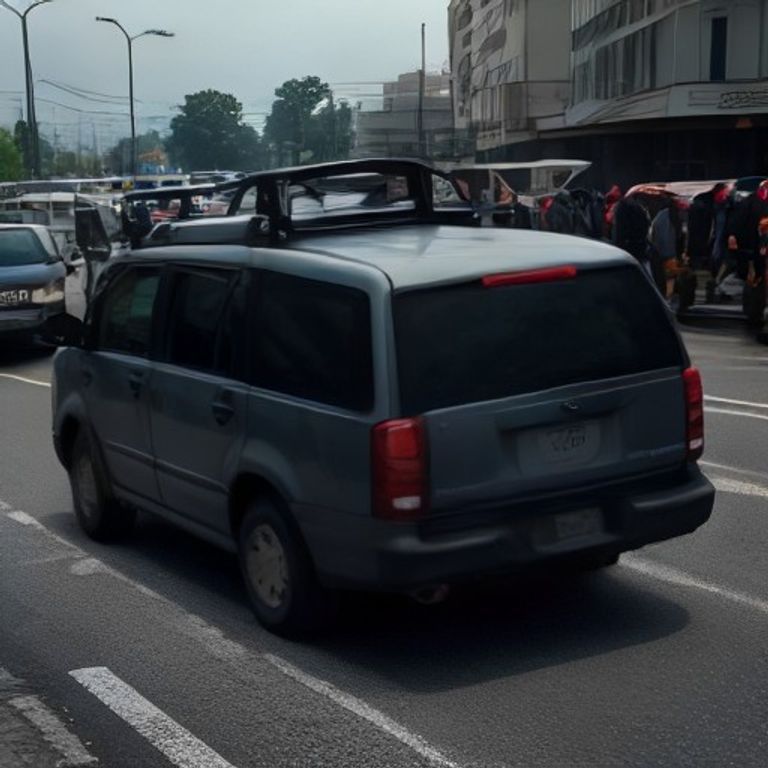
KT Rama Rao Unharmed in Minor Car Incident at Alugunuru Junction
Hyderabad, India – In an incident that momentarily halted traffic and sparked brief concern, Telangana’s prominent Bharat Rashtra Samithi (BRS) leader, KT Rama Rao, was involved in a minor
Hyderabad, India – In an incident that momentarily halted traffic and sparked brief concern, Telangana’s prominent Bharat Rashtra Samithi (BRS) leader, KT Rama Rao, was involved in a minor KT Rama Rao car incident at the bustling Alugunuru junction earlier today. The BRS working president, who also holds several key ministerial portfolios in the state government, escaped the mishap completely unhurt, a relief to his supporters and party cadres. The incident, while minor in its impact on the leader’s well-being, underscores the constant demands and often unpredictable nature of public life for prominent political figures, even amidst stringent security protocols. This article delves into the specifics of the occurrence, its immediate aftermath, and the broader implications concerning VVIP security and road safety in India.
Details of the Incident at Alugunuru Junction
The incident transpired at the Alugunuru junction, a known transit point, as Mr. Rama Rao’s convoy was navigating its daily schedule. According to initial reports from eyewitnesses and official sources, the minor collision occurred when the rear door of the BRS leader’s vehicle was being opened. At precisely that moment, a lorry, moving in close proximity, brushed against the open door. The impact, while not severe enough to cause any major structural damage to the car’s chassis, did result in slight damage to the door itself. The nature of the collision, specifically involving a moving lorry and an opening car door, highlights a common scenario in congested urban traffic settings where spatial awareness and instantaneous reactions are paramount for drivers of all vehicles, including heavy goods carriers.
The swiftness of the incident, combined with the presence of a high-profile personality, naturally led to a brief moment of panic among the security detail and those in the immediate vicinity. However, the situation was quickly brought under control. A rapid assessment confirmed that Mr. Rama Rao, who was seated inside the vehicle at the time of the impact, had not sustained any injuries. This fortunate outcome prevented what could have been a far more serious event, given the potential risks associated with collisions involving heavy vehicles.
KT Rama Rao’s Unwavering Commitment
Despite the minor mishap, KT Rama Rao demonstrated his characteristic resolve and commitment to his official duties. Following the brief assessment and confirmation of his well-being, the BRS leader chose to proceed with his pre-scheduled engagements without any significant delay. This decision to continue his program despite the minor disturbance resonated with many, underscoring his dedication to public service and his constituents. For a leader of his stature, whose daily itinerary is meticulously planned and often packed with crucial meetings, public appearances, and policy discussions, even a minor deviation can have ripple effects. His steadfastness in the face of an unexpected event reflects the demanding nature of political leadership and the expectation of resilience from public figures.
Mr. Rama Rao’s immediate continuation of his schedule also sent a clear message that the incident was indeed minor and did not warrant any major disruption to governmental or party affairs. Such a posture is often adopted by leaders to maintain calm and demonstrate stability, especially in environments where any perceived vulnerability can be misconstrued or exploited.
The Broader Context: VVIP Security and Road Safety in India
This incident, though minor, inevitably draws attention to two critical aspects: the security protocols surrounding Very Very Important Persons (VVIPs) in India and the overarching challenges of road safety across the nation. India has one of the highest rates of road accidents globally, a grim statistic that successive governments have been striving to address. Factors contributing to this include rapid urbanization, increasing vehicle density, varying road conditions, and at times, lax adherence to traffic regulations.
Challenges in Urban Road Safety:
- Traffic Congestion: Indian cities are notorious for their dense traffic, making navigation challenging for all vehicle types.
- Driver Behavior: A mix of aggressive driving, lack of lane discipline, and insufficient regard for traffic laws contributes significantly to accidents.
- Infrastructure Gaps: While improving, road infrastructure can sometimes be inadequate, with issues like poor lighting, unmarked hazards, and insufficient signage.
- Coexistence of Diverse Vehicles: Roads are shared by cars, two-wheelers, auto-rickshaws, buses, and heavy commercial vehicles, each with different speeds and maneuvering capabilities, increasing collision risks.
For VVIPs, security protocols are elaborate, involving pilot vehicles, escorts, and route clearances. However, as this incident illustrates, even the most stringent measures cannot entirely eliminate unforeseen circumstances, especially in dynamic, high-traffic environments. The brief panic highlights the constant vigilance required from security personnel and drivers in such convoys. Minor incidents like this serve as a crucial reminder for continuous review and refinement of these protocols to ensure the maximum possible safety of public figures without unduly impacting the flow of general traffic.
Furthermore, the incident underscores the importance of public awareness regarding road safety, not just for ordinary citizens but also concerning how to react and behave around VVIP convoys. While it is important to give way to such convoys for security and logistical reasons, the responsibility of safe driving also rests heavily on those operating vehicles within and around these formations, including commercial transport operators.
Public Perception and Political Ramifications
In the age of instant news and social media, even a minor incident involving a political leader can become a topic of widespread discussion. News of the
In the age of instant news and social media, even a minor incident involving a political leader can become a topic of widespread discussion. News of the KT Rama Rao car incident quickly spread, eliciting responses ranging from expressions of relief for his safety to discussions about traffic management and political security. For the BRS party, the swift confirmation of their leader’s well-being was undoubtedly a positive outcome, preventing any negative speculation or concerns about leadership stability. Such events, while not directly impacting policy or governance, contribute to the public narrative surrounding political figures, often highlighting their human vulnerability even amidst their powerful roles.
The incident also serves as a subtle reminder of the risks that political leaders, despite their protected status, face in their daily lives. Unlike many private citizens, their movements are often public and predictable, making them potential targets or, as in this case, susceptible to random traffic mishaps. The public often sees the polished image of politicians, but incidents like these offer a glimpse into the constant pressure and occasional dangers that come with high-profile public office.
Lessons and Moving Forward
While the immediate takeaway from the Alugunuru junction incident is the relief that KT Rama Rao is safe and sound, it also offers broader lessons for traffic management and VVIP security. It emphasizes the need for continuous training for drivers of all vehicles, especially those operating commercial transport in urban areas, to enhance their defensive driving skills and spatial awareness. For security details, it reinforces the need for meticulous planning and adaptability in dynamic urban environments, where unexpected variables can arise at any moment.
The Telangana government, under the leadership of the BRS, has often highlighted its commitment to improving infrastructure and public safety. Incidents such as this, even if minor, provide an opportunity to re-evaluate existing measures and explore new strategies to enhance safety for everyone on the road, from high-profile politicians to everyday commuters. This ongoing effort is crucial for a state that is rapidly developing and experiencing significant growth in its urban centers and vehicular population.
Conclusion
The minor
The minor KT Rama Rao car incident at Alugunuru junction concluded without harm to the prominent BRS leader, KT Rama Rao, who quickly resumed his scheduled programs. This outcome is a testament to the resilience of public figures and the efficiency of immediate response protocols. While the physical damage was minimal and personal injury averted, the event serves as a significant reminder of the pervasive challenges in urban road safety and the complex demands of VVIP security in a country as dynamic as India. It calls for continued vigilance, public awareness, and ongoing enhancements in infrastructure and traffic management, ensuring that both leaders and citizens can navigate the nation’s thoroughfares with greater safety and confidence. The incident, though fleeting, adds another chapter to the narrative of public service, where unforeseen challenges are met with unwavering dedication.