
 By NewsMatrix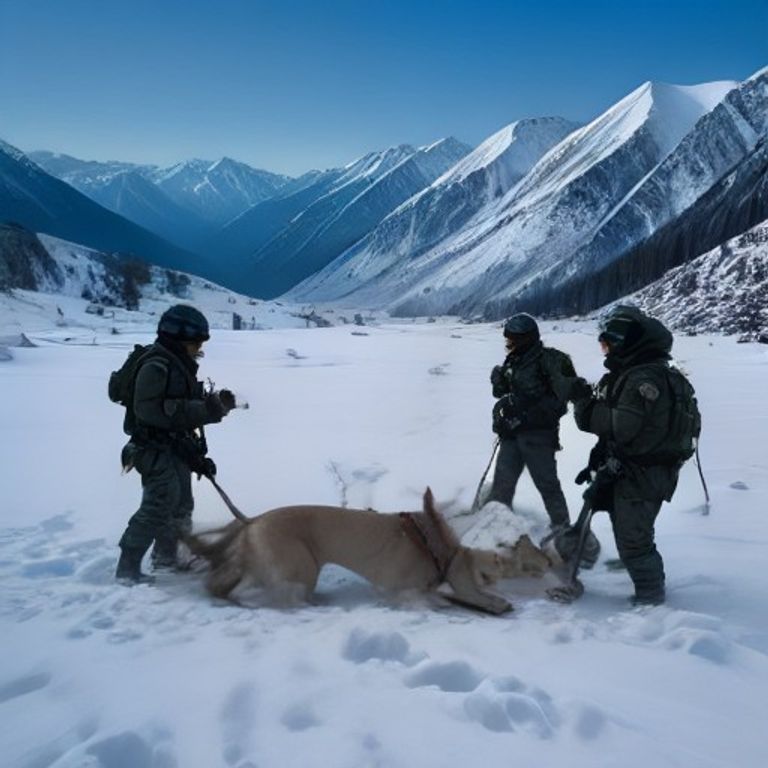
Security Forces Neutralize LeT Terrorist Yasir in Jammu and Kashmir’s Operation Ashdar
Jammu and Kashmir, India – In a significant victory against terrorism, security forces in Jammu and Kashmir successfully concluded Operation Ashdar on Friday, neutralizing a Lashkar-e-Taiba (LeT) terrorist identified as Yasir. The operation, launched following specific intelligence inputs regarding the movement of a militant group through the challenging Pir Panjal mountains, underscores India’s unwavering commitment to rooting out militancy from the region and maintaining peace and stability.
The successful execution of Operation Ashdar highlights the persistent efforts and coordinated strategy of the Indian security apparatus to counter the persistent threat of cross-border terrorism. The Jammu and Kashmir Police, in a firm declaration on X (formerly Twitter) after the operation, sent a clear message to terror outfits: “You Can Run But You Can’t Hide!” This statement encapsulates the resolute stance of the forces and serves as a stern warning to those who seek to destabilize the region.
The Genesis of Operation Ashdar: Intelligence and Execution
The genesis of Operation Ashdar lay in actionable intelligence received by security agencies. Information indicated the infiltration and movement of a group of terrorists through the arduous terrain of the Pir Panjal mountain range. The Pir Panjal, a chain of mountains forming the largest range of the Lesser Himalayan region, is notorious for its rugged topography, dense forests, and harsh weather conditions, making it a challenging transit route for militants attempting to sneak into or operate within the Kashmir valley.
Upon receiving this critical intelligence, a meticulously planned and swiftly executed cordon-and-search operation was initiated. Joint teams of the Indian Army, Jammu and Kashmir Police, and other paramilitary forces were mobilized. These forces, seasoned in counter-insurgency operations, swiftly cordoned off the suspected area, effectively trapping the terrorists. The element of surprise, coupled with superior tactical deployment, proved crucial in the initial stages of the operation.
Navigating the Pir Panjal: A Test of Endurance
Operating in the Pir Panjal region demands extreme physical endurance and specialized skills. The terrain is characterized by steep slopes, deep ravines, thick vegetation, and unpredictable weather, ranging from freezing temperatures to sudden downpours. Security personnel involved in Operation Ashdar had to contend with these natural adversaries in addition to the armed and desperate militants. Their ability to navigate and dominate such a hostile environment reflects their rigorous training and unyielding determination.
Sources indicate that the operation involved strategic surveillance, patient tracking, and careful maneuvering to ensure the safety of civilians while cornering the militants. The exchange of fire was reportedly intense, but the coordinated response of the security forces ultimately led to the neutralization of Yasir, preventing potential acts of terror and disruption in the region.
Identifying the Slain Terrorist: Yasir and the Lashkar-e-Taiba Connection
Following the successful engagement, the slain terrorist was identified as Yasir by the Jammu and Kashmir Police. Crucially, law enforcement agencies confirmed his affiliation with the banned Lashkar-e-Taiba (LeT), a Pakistan-based radical Islamist terrorist organization responsible for numerous attacks in India, including the horrific 2008 Mumbai attacks.
Lashkar-e-Taiba, whose name translates to “Army of the Righteous,” has long been a primary actor in fomenting terrorism in Jammu and Kashmir. Designated as a terrorist organization by India, the United States, the United Kingdom, the European Union, Australia, and Russia, LeT operates with the explicit agenda of destabilizing India and severing Jammu and Kashmir from the Indian Union. Its modus operandi often involves infiltrating trained militants, providing them with arms and logistical support, and directing them to carry out acts of violence against security forces and civilians.
The Network of Terror: Unraveling LeT’s Modus Operandi
The neutralization of a militant like Yasir is not merely an isolated incident but a blow to the broader terror network of LeT. These organizations rely on a constant influx of recruits, logistical supply chains, and financial backing, often from across the border, to sustain their operations. Each successful counter-terrorism operation disrupts these networks, making it harder for them to plan and execute attacks.
Investigations following such encounters often yield valuable intelligence regarding the wider terror ecosystem, including sleeper cells, overground workers (OGWs), and recruitment modules. This intelligence is vital for preemptive actions and dismantling the support structure that enables terrorism to persist. The police statement, “You Can Run But You Can’t Hide!”, also implicitly refers to the intelligence network that allows security forces to track down militants, no matter how remote their hideouts.
Broader Implications for Regional Security and Counter-Terrorism Strategy
The success of Operation Ashdar carries significant implications for regional security and India’s overarching counter-terrorism strategy. It reinforces the message that India will not cede ground to terror and that its security forces are fully capable and committed to protecting its sovereignty and its citizens.
- Deterrence: Such operations serve as a strong deterrent to other aspiring militants and their handlers, signaling the high risks associated with engaging in terror activities.
- Enhanced Intelligence Sharing: The continuous flow of actionable intelligence that led to Operation Ashdar underscores the growing synergy and effectiveness of intelligence agencies and on-ground forces.
- International Recognition: India’s consistent efforts in combating terrorism are often highlighted on international forums, showcasing its role as a responsible global actor in the fight against extremism.
- Community Trust: Successful operations like these also help in building greater trust and confidence within the local communities, who often suffer the most from militancy and instability.
Furthermore, the operation comes at a time when Jammu and Kashmir is witnessing a renewed push for development and economic growth. The eradication of terror elements is paramount to ensuring that these developmental initiatives can proceed unhindered, allowing the region to fully realize its potential and integrate seamlessly into the national mainstream. The presence of terrorist groups like LeT directly impedes this progress, creating an environment of fear and uncertainty that discourages investment and tourism.
The Relentless Pursuit of Peace
The “You Can Run But You Can’t Hide!” message from the Jammu and Kashmir Police is not just a warning but also a statement of unwavering resolve. It reflects a shift in strategy, where security forces are increasingly proactive, leveraging advanced intelligence gathering techniques and rapid response capabilities to hunt down terrorists rather than merely reacting to incidents. This proactive approach aims to dismantle terror infrastructure before it can cause widespread damage.
The security establishment understands that complete peace in Jammu and Kashmir requires not only neutralizing active militants but also cutting off their funding, disrupting their recruitment drives, and counteracting the ideological propaganda that fuels extremism. This multi-pronged approach involves intelligence agencies, law enforcement, and civil administration working in tandem to address both the symptoms and root causes of militancy.
Conclusion: A Step Towards a Safer Jammu and Kashmir
Operation Ashdar marks another crucial step in India’s relentless campaign against terrorism in Jammu and Kashmir. The neutralization of LeT terrorist Yasir in the challenging terrain of the Pir Panjal mountains is a testament to the bravery, professionalism, and unwavering dedication of the security forces. It reinforces the message that those who choose the path of violence will be met with decisive action.
While the threat of terrorism remains a persistent challenge, the consistent success of operations like Ashdar instills confidence in the region’s future. It signifies a continued commitment to securing peace, fostering development, and ensuring the safety of every citizen in Jammu and Kashmir. The nation stands firm in its resolve, echoing the message of its police: the reach of justice is long, and there is indeed no hiding place for those who perpetrate terror.