
 By NewsMatrix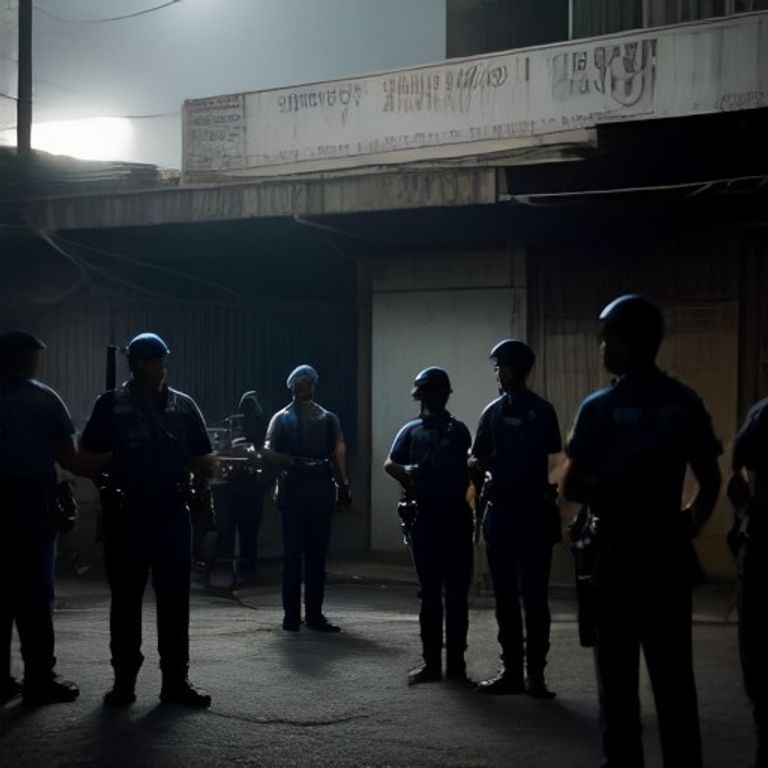
Social Media Influencer Swatantra Bhardwaj Arrested in Assault Case, POCSO Act Invoked
In a development that has sent ripples through the digital landscape and public discourse, prominent social media influencer Swatantra Bhardwaj has been apprehended by Delhi Police. The high-profile arrest, made in Uttar Pradesh, is linked to grave allegations of assault, with a significant legal dimension added by the registration of a fresh First Information Report (FIR) under the stringent Protection of Children from Sexual Offences (POCSO) Act. This legal action against a figure with substantial online reach underscores the growing scrutiny over the conduct of public personalities and their accountability under the law. The Swatantra Bhardwaj arrest has not only captivated national attention but has also reignited conversations about the responsibilities that accompany influence in the digital age, prompting widespread discussion across India.
The detention of Bhardwaj has become a focal point, drawing diverse reactions from his millions of followers, critics, and legal experts alike. This case highlights a critical juncture where the often-unfettered world of online influence converges with the rigorous demands of the Indian legal system, particularly concerning sensitive matters involving minors. The events surrounding his arrest and the ensuing legal proceedings are expected to set important precedents for how public figures, especially those whose primary sphere of operation is digital, are held accountable for their actions offline.
The Rise of Swatantra Bhardwaj: A Digital Phenomenon
Swatantra Bhardwaj has, over the past few years, cemented his position as a formidable voice in India’s vibrant social media ecosystem. Known for his often provocative, and sometimes controversial, commentary on a plethora of social, political, and cultural issues, Bhardwaj has cultivated a massive following across platforms like YouTube, Instagram, and X (formerly Twitter). His content ranges from motivational speeches and personal vlogs to political analysis and direct engagement with his audience on trending topics. This diverse portfolio has allowed him to build a personal brand that resonates with a significant demographic, particularly among the youth, who look to digital influencers for news, entertainment, and opinion.
The phenomenon of social media influencers like Bhardwaj reflects a broader shift in how information is consumed and opinions are formed. These individuals, often perceived as more relatable and authentic than traditional media personalities, wield considerable power in shaping public narratives. Their ability to mobilize opinion and direct attention towards specific issues makes them influential figures in contemporary society. However, this immense reach also comes with a commensurate level of responsibility, an aspect that has increasingly come under public and legal scrutiny. Bhardwaj’s journey from a content creator to a figure embroiled in a serious legal battle serves as a potent illustration of the high stakes involved in digital stardom.
Allegations Unveiled: The Incident and Its Legal Weight
The genesis of Swatantra Bhardwaj’s current legal predicament lies in an alleged assault on the father of a minor activist. While the precise details of the confrontation remain a subject of ongoing investigation, initial reports indicate a situation that escalated beyond verbal disagreement into physical altercation. The complaint lodged against Bhardwaj led to swift action by the Delhi Police, culminating in his apprehension in Uttar Pradesh. The nature of the alleged assault, particularly its connection to a minor activist, immediately elevated the severity of the case.
What has particularly heightened the gravity of the situation is the subsequent registration of a fresh FIR under the Protection of Children from Sexual Offences (POCSO) Act, 2012. This Act is one of India’s most crucial legislative frameworks designed to provide a robust legal mechanism for safeguarding children from various forms of sexual exploitation and abuse. The POCSO Act defines different categories of offences, including sexual assault, sexual harassment, and pornography, and prescribes stringent punishments, recognizing the unique vulnerability of children. Its invocation in this case suggests that the alleged assault, or the circumstances surrounding it, directly involved or was related to the well-being and safety of a minor. This legal development transforms the matter from a general assault case into one with far-reaching implications, demanding a specialized investigative approach and trial process to ensure the protection of the child’s rights and interests.
The Act mandates specific procedures for recording a child victim’s statement, ensuring their privacy, and providing support services. It also makes provisions for the establishment of special courts to ensure speedy trials, thereby minimizing the trauma for child victims. Therefore, the Swatantra Bhardwaj arrest under such provisions signals the seriousness with which the authorities are approaching the allegations and the potential for significant legal consequences should the charges be substantiated.
The Legal Framework in India: FIR to Trial
Following the arrest, Swatantra Bhardwaj will now navigate the multifaceted Indian legal system, which is founded on principles of due process and justice. The initial step, the registration of an FIR (First Information Report), officially sets the criminal justice machinery in motion. This document contains the basic details of the alleged crime and the complaint. Subsequently, the police embark on a thorough investigation, which involves gathering evidence, examining witnesses, collecting forensic data if necessary, and piecing together the events that transpired.
After his detention, Bhardwaj would have been presented before a judicial magistrate within 24 hours. During this appearance, the magistrate assesses the police’s request for remand – either police custody for further interrogation or judicial custody, where the accused is sent to jail. In cases under the POCSO Act, investigations are often conducted with heightened sensitivity and urgency. Once the investigation concludes, if sufficient evidence is found, the police will file a charge sheet, detailing the accusations and the evidence supporting them. This document formally initiates the trial phase.
The trial itself will take place in a designated special court for POCSO cases. Here, both the prosecution and the defense will present their arguments, examine and cross-examine witnesses, and submit evidence. The burden of proof lies with the prosecution to establish guilt beyond a reasonable doubt. The legal journey can be protracted, involving multiple hearings, adjournments, and appeals. Throughout this process, Bhardwaj will be afforded legal representation, and his rights as an accused person will be upheld according to Indian law. The outcome will depend entirely on the strength of the evidence presented and its interpretation by the judiciary.
Public Outcry and Law Enforcement’s Response
The news of Swatantra Bhardwaj’s arrest swiftly became a topic of intense public debate, spilling over from digital platforms onto the streets. Reports confirmed that security was significantly tightened outside the police station where he was being held, necessitated by the gathering of protestors. These demonstrations were a microcosm of the divided public opinion surrounding the influencer; some gathered to voice their support for Bhardwaj, asserting his innocence and calling for his release, while others demanded swift and stringent justice for the alleged assault and the invocation of the POCSO Act.
The visible presence of law enforcement personnel, including riot control units, underscored the potential for escalation in such high-profile cases. Managing public sentiment and ensuring law and order in situations involving popular figures is a delicate balancing act for the police. They must not only ensure the safety of the accused and their staff but also prevent any untoward incidents between opposing factions of protestors. This public dimension adds another layer of complexity to the investigation, as authorities must remain impervious to external pressures while adhering strictly to legal protocols. The protests also reflect the deep societal impact of social media personalities, illustrating how their controversies can quickly translate into real-world demonstrations of support or condemnation.
The Double-Edged Sword of Social Media: Accountability in the Digital Age
This incident brings into sharp focus the intricate and often challenging relationship between social media influence and public accountability. In an era where individuals can amass millions of followers with relative ease, the power to shape public opinion and influence behavior is unprecedented. However, this power is a double-edged sword. While it offers unparalleled opportunities for communication, community building, and personal branding, it also carries the inherent risk of misuse and the potential for actions, both online and offline, to have magnified consequences.
The case of Swatantra Bhardwaj serves as a potent reminder that digital fame does not confer immunity from legal scrutiny. Influencers, by virtue of their public platform, are often held to a higher standard of conduct, and any alleged deviation from ethical or legal norms can lead to significant repercussions, not just for their personal brand but also for the broader perception of the influencer industry. There is a growing debate about the ethical responsibilities of influencers, the need for transparency, and the boundaries of free speech versus actions that could incite violence or contribute to harm. This incident reignites calls for greater self-regulation within the influencer community and potentially more stringent oversight from regulatory bodies to ensure that influence is wielded responsibly and ethically.
Precedents and the Future of Digital Accountability
While specific comparisons are often cautioned against, the Swatantra Bhardwaj arrest echoes a growing trend globally where public figures, including those from the entertainment and digital spheres, face legal consequences for their actions. These cases collectively contribute to an evolving understanding of accountability in the digital age. They underscore the principle that no individual, regardless of their celebrity or digital footprint, is above the law. The legal system, though sometimes slow, is designed to eventually address transgressions, whether they occur in the public eye or in private.
The future of digital accountability in India and worldwide will likely involve a multi-pronged approach. This could include stricter enforcement of existing laws, the development of new regulations tailored to the unique challenges of the internet, and increased emphasis on digital literacy and ethical conduct among content creators. Furthermore, social media platforms themselves are under increasing pressure to moderate content effectively, address harmful narratives, and collaborate with law enforcement agencies when serious allegations arise. This case could serve as a catalyst for deeper discussions among stakeholders – government, platforms, influencers, and the public – to forge a more responsible and legally compliant digital environment.
Conclusion
The arrest of social media influencer Swatantra Bhardwaj by Delhi Police marks a significant juncture, bringing to the forefront critical discussions surrounding public conduct, legal accountability, and the responsibilities inherent in wielding considerable online influence. With a fresh FIR registered under the stringent POCSO Act, the case carries profound implications, underscoring the legal system’s unwavering commitment to protecting vulnerable populations, especially minors.
As the legal proceedings unfold, the nation watches closely, not just for the outcome of this specific case, but for the broader message it sends about the conduct expected from public figures in the digital era. The incident serves as a powerful reminder that while digital platforms offer boundless opportunities for connection and expression, they do not exempt individuals from the strictures of the law, particularly when allegations of such a serious nature are involved. The coming months will undoubtedly shed more light on the complexities of this case and its potential long-term impact on the landscape of social media, public accountability, and the evolving relationship between digital fame and legal responsibility in India.