
 By NewsMatrix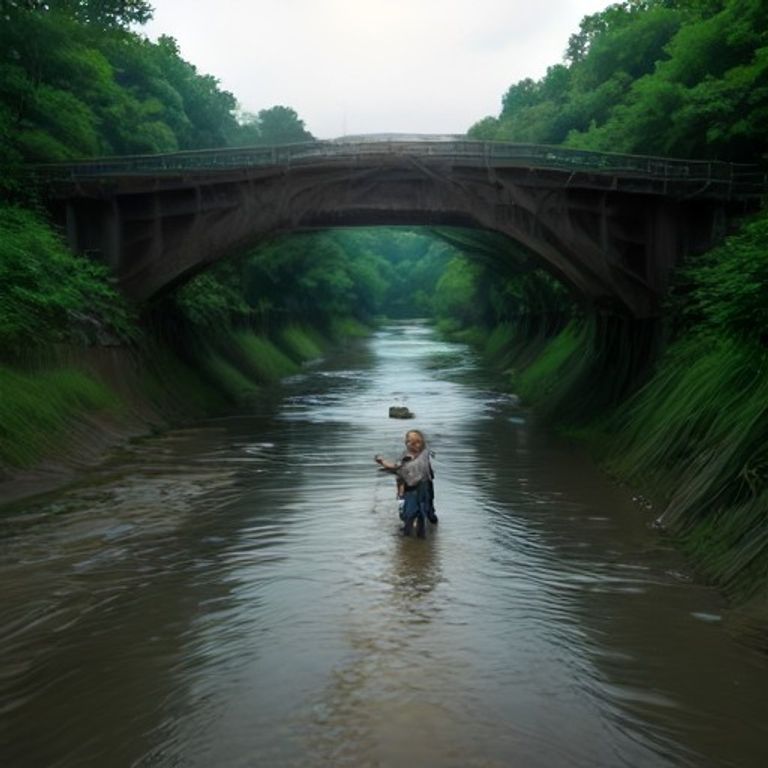
Gariyaband Bridge Delay Forces Children to Risk Lives Crossing Swollen Pairi River
Gariyaband, India – In a stark illustration of infrastructure neglect, children in Gariyaband district are daily navigating a treacherous and swollen Pairi River by means of a precarious wooden ladder, a direct consequence of a six-year Gariyaband bridge delay. What was intended to be a vital artery connecting communities has become a symbol of broken promises and administrative lethargy, leaving hundreds, including the most vulnerable, at the mercy of the elements. Residents are vociferously expressing their alarm, demanding immediate intervention from local authorities to avert a potential catastrophe. The alarming situation, which sees young students risking their lives to reach schools and essential services, has finally prompted officials to pledge a thorough examination of the project and expedite concrete solutions. This report from NewsMatrix delves into the human cost of the protracted delay and the urgent pleas from a community teetering on the brink.
A Perilous Daily Commute: Children on the Brink
For the residents of several villages nestled along the banks of the Pairi River in Gariyaband, the daily journey is fraught with unimaginable risks. With the monsoons transforming the usually docile Pairi into a raging torrent, the absence of a completed bridge has forced a dangerous workaround. Children, some as young as six or seven, are compelled to cross the formidable expanse of the river by clambering up and down a makeshift ladder. This precarious structure, often cobbled together from rudimentary materials, serves as their only link to education, healthcare, and market access on the other side. Parents watch with bated breath each morning as their children navigate the slippery rungs and the strong currents below, a silent prayer on their lips.
Local teacher, Smt. Rina Devi, whose school is located across the river, describes the harrowing experience. “Every day, especially during the rainy season, the river swells to dangerous levels. Our students, many of whom are very young, have no choice but to use this ladder. It’s not just the fear of falling into the strong currents; the ladder itself is unstable. We’ve had close calls, children slipping, and thankfully, so far, only minor injuries. But it’s a matter of time before a major tragedy strikes.” Her sentiments are echoed by countless others who live with the constant anxiety of a disaster waiting to happen.
The alternative route is a circuitous journey of over 20 kilometers, a distance economically unfeasible for daily travel, particularly for school children who often walk. This effectively isolates these communities, cutting them off from essential services and opportunities that lie just a few hundred meters away across the river.
The Six-Year Stalemate: A Bridge to Nowhere
The foundation stone for the bridge over the Pairi River was laid over six years ago, promising a new era of connectivity and prosperity for Gariyaband. Initial reports suggested a completion timeline of two to three years, a promise that has long since faded into a distant memory. Construction began with visible enthusiasm, and several pillars rose from the riverbed, offering a glimpse of the future. However, work inexplicably halted, and the site has since been abandoned, leaving behind a skeletal structure that stands as a haunting testament to bureaucratic inefficiency and neglect.
Sources close to the project, who requested anonymity due to fear of retribution, point to a myriad of issues contributing to the protracted delay. These include alleged irregularities in fund disbursement, bureaucratic red tape, changes in contractors, and a lack of consistent oversight from government agencies. “There were initial issues with land acquisition for approach roads, then funds were reportedly reallocated, and eventually, the contractor left the site citing payment disputes,” one source revealed. “It’s a classic case where the initial momentum was lost, and no one took definitive charge to revive it.”
The project, initially estimated at several crores of rupees, has likely seen its costs escalate significantly due to inflation and the need for re-evaluation of the stalled structure. Every passing year without progress not only exacerbates the plight of the local population but also represents a colossal waste of public funds and resources.
Voices of Despair: Community’s Growing Frustration
The patience of Gariyaband’s residents has worn thin. What began as hopeful anticipation has transformed into profound frustration and anger. Community meetings are regularly held, demanding accountability and action. Elderly villagers recall promises made by politicians during election campaigns, which now ring hollow.
Shri Ramu Lal, a farmer whose fields are on the other side of the river, expressed his exasperation. “We were told this bridge would change our lives, make it easier to take our produce to the market, and ensure our children could go to school safely. Six years! My grandchildren are now the same age my children were when this project started, and they are still risking their lives. How much longer must we wait? Are our lives so cheap that no one cares?” His voice, thick with emotion, encapsulates the collective anguish of the community.
The lack of proper access impacts every facet of life. During medical emergencies, reaching hospitals across the river becomes a life-threatening race against time. Expectant mothers, the elderly, and those requiring urgent medical attention face insurmountable barriers, often resorting to dangerous ferry crossings or lengthy detours that can prove fatal.
- Difficulty in transporting agricultural produce to markets, leading to economic losses for farmers.
- Limited access to healthcare facilities, delaying critical medical attention.
- Disrupted education for children, impacting their future prospects.
- Social isolation and reduced interaction between communities on opposing banks.
- Increased risk of accidents and fatalities, especially during the monsoon season.
Economic and Social Ramifications
Beyond the immediate danger, the unfinished bridge has cast a long shadow over the economic and social development of Gariyaband. The inability to easily transport goods across the river cripples local commerce. Farmers struggle to get their perishable produce to urban markets efficiently, often incurring losses due to spoilage or having to sell at significantly reduced prices to local intermediaries.
Small businesses on either side of the river find it difficult to expand or even sustain themselves. The flow of labor and resources is hampered, stalling potential growth. This economic stagnation perpetuates a cycle of poverty, denying residents the benefits of development seen in other, better-connected regions.
Moreover, the social fabric of the region is affected. Family visits become arduous journeys, cultural exchanges are curtailed, and the sense of unity among villages that share a common heritage is diminished. The bridge was meant to be a connector, but its absence has become a divider.
Official Promises: A Ray of Hope or Another Delay?
Faced with escalating public pressure and media scrutiny, local authorities have recently addressed the issue. A district official, speaking to NewsMatrix, acknowledged the gravity of the situation and expressed regret over the prolonged delay. “We understand the difficulties faced by the residents, especially the children,” the official stated, requesting anonymity as the matter is under active review. “We are committed to resolving this issue on an expedited basis. A special committee has been formed to investigate the reasons for the delay and propose immediate steps to resume and complete the construction.”
While these assurances offer a glimmer of hope, residents remain cautiously optimistic, if not outright cynical. Many recall similar promises made in the past that failed to materialise into concrete action. The community stresses that promises must now be backed by demonstrable progress and a clear, time-bound action plan. “We’ve heard it all before,” remarked a village elder. “Until we see workers back on site and the bridge taking shape, these are just words. Our children cannot wait another six years.”
The emphasis from the community is clear: mere investigations are not enough. They demand a transparent process, accountability for the past delays, and a firm commitment to deliver the bridge that was promised. The coming months will be crucial in determining whether the official vows translate into genuine solutions or if the Gariyaband bridge delay will continue to endanger lives.
Beyond Gariyaband: A Wider Infrastructure Challenge
The plight of Gariyaband is not an isolated incident but rather indicative of broader challenges facing rural infrastructure development across various parts of India. Projects vital for local communities often fall prey to administrative hurdles, funding discrepancies, and a lack of sustained political will. While national-level infrastructure projects often receive significant attention and resources, smaller, localized projects like the Pairi River bridge can languish for years, impacting the daily lives of millions.
This situation underscores the critical need for more robust project management frameworks, stricter accountability mechanisms, and greater transparency in public works. Local governance bodies must be empowered and adequately resourced to oversee such projects effectively, ensuring that the benefits of development reach the grassroots level.
The story of Gariyaband serves as a poignant reminder that true national progress is measured not just by grand urban developments but also by the safety and well-being of its most remote and vulnerable citizens. Addressing such systemic issues is paramount for equitable growth and ensuring that no community is left behind in the journey towards a developed nation.
Conclusion: A Call for Urgent Action and Accountability
The perilous journey undertaken daily by the children of Gariyaband across the swollen Pairi River on a makeshift ladder is a powerful and distressing symbol of governmental neglect and administrative failure. The six-year delay in completing the bridge is not merely an inconvenience; it is a threat to life, an impediment to education, and a stranglehold on economic development. The collective voice of the Gariyaband community is clear and urgent: they demand immediate and decisive action.
While official assurances have been made, the true test lies in the swift implementation of solutions. Local authorities and the state government must prioritize the completion of the Pairi River bridge, not just as a construction project, but as a commitment to the safety, dignity, and future of its citizens. The time for promises has passed; the time for action is now, before the tragic consequences of this prolonged delay become an irreversible reality. NewsMatrix will continue to follow this critical story, advocating for the community’s right to safe and reliable infrastructure.