
 By NewsMatrix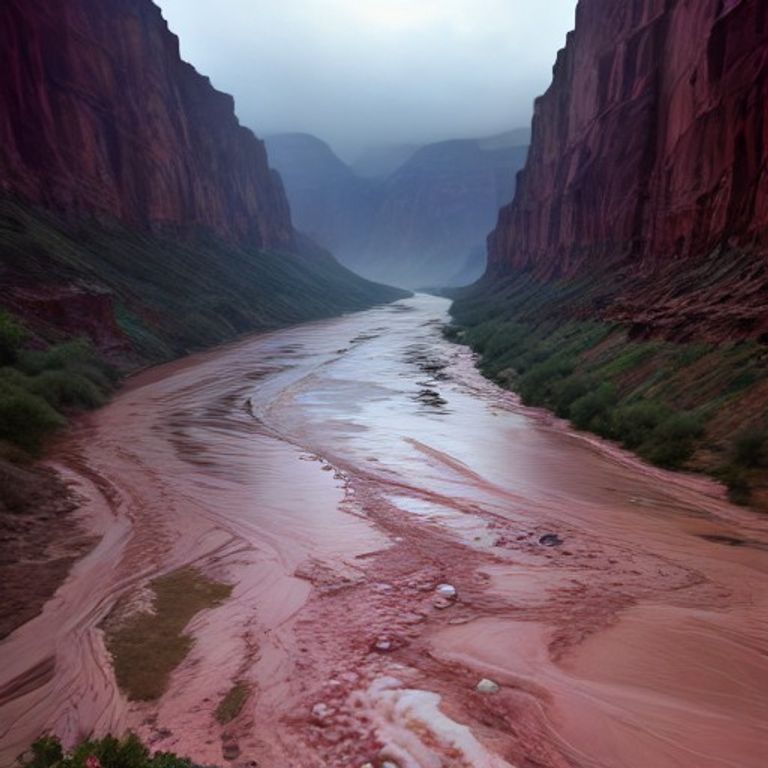
In a harrowing turn of events, a fierce Grand Canyon flash flood surged through Arizona’s iconic natural wonder on Thursday, August 29. The devastating torrent transformed Bright Angel Canyon and sections of the Colorado River into raging, debris-laden waterways, leaving a trail of destruction and widespread alarm. Authorities confirmed at least twenty individuals are currently missing, prompting an intensive search and rescue operation in one of the world’s most challenging environments. Over sixty individuals were successfully evacuated from the vulnerable Phantom Ranch and Bright Angel Campground, necessitating the swift closure of affected park areas. Grand Canyon National Park officials, grappling with the unprecedented scale of the disaster, have issued a public appeal for assistance, mobilizing every available resource to locate the missing and assess the full extent of the damage. This incident serves as a stark reminder of the inherent risks associated with venturing into wilderness areas.
The Deluge: A Canyon Transformed by Nature’s Fury
The catastrophic flash flood materialized with terrifying speed and force, catching many visitors off guard. Eyewitness accounts describe a sudden, immense surge of water, rock, and mud descending from tributary canyons into Bright Angel Canyon. This natural phenomenon, exacerbated by intense monsoon season rainfall, rapidly overwhelmed drainage systems, turning familiar trails and riverbanks into a chaotic maelstrom. Bright Angel Creek became a muddy, powerful river, carrying away everything in its path. The Colorado River itself was visibly impacted, its flow accelerated and clouded by the immense volume of sediment and debris pouring in from the flash flood zones. The sheer volume of water and its speed made escape incredibly difficult for those caught in its immediate vicinity.
Immediate Impact and Critical Evacuations
Primary affected areas were Bright Angel Canyon, a major corridor for hikers, and the popular Bright Angel Campground and historic Phantom Ranch. These locations are highly susceptible to rapid water flows. Park rangers initiated immediate evacuation protocols as the severity became apparent. Utilizing helicopter airlifts and arduous ground operations, emergency teams extracted over sixty individuals who were either camping, lodging, or hiking in the flood’s direct path. Many evacuees reported being stranded for hours before rescue, witnessing firsthand the destructive power of the water. Their harrowing accounts paint a vivid picture of a landscape irrevocably altered, with trails washed out, bridges damaged, and campsites submerged. The successful evacuation of so many people from a remote and challenging environment underscores the professionalism and dedication of the Grand Canyon National Park Service and supporting agencies.
Intensified Search and Rescue Efforts Underway
With at least twenty individuals still unaccounted for, the focus has shifted entirely to an exhaustive search and rescue mission. This complex operation involves a multi-agency effort, combining the expertise of Grand Canyon National Park rangers, local law enforcement, state emergency services, and volunteer search organizations. Ground teams are meticulously combing through debris fields and along the banks of the Colorado River, navigating treacherous and unstable terrain. Air support, including helicopters, is being deployed for aerial surveillance, surveying vast swathes of the canyon from above, looking for any signs of the missing. The rugged topography of the Grand Canyon, with steep cliffs, deep ravines, and unpredictable river currents, presents formidable challenges to search teams. Access to many areas is severely restricted, requiring specialized climbing and swiftwater rescue techniques. The search is further complicated by extensive debris—including trees, rocks, and mud—which has significantly altered the landscape and may conceal individuals or evidence. Park officials have established a command center to coordinate these efforts.
Navigating the Grand Canyon’s Challenging Terrain
The Grand Canyon, while breathtakingly beautiful, is an inherently dangerous environment; a flash flood amplifies these risks exponentially. Geological formations create a network of steep-sided canyons and narrow gorges that act as natural funnels for water during heavy rainfall. When intense monsoonal storms unleash torrential downpours on the vast, largely treeless plateaus, rainwater has nowhere to go but down. Parched earth, unable to rapidly absorb the sudden influx, quickly sheds it into drainage systems. This creates a rapid onset of flash flooding, often with little to no warning for those at the bottom of the canyon. The danger is compounded by the sheer scale and remoteness of the park. While popular trails are maintained, vast areas remain wild and inaccessible, making search and rescue operations logistically challenging. Communication can be sporadic, and transportation of personnel and equipment often relies on specialized vehicles, helicopters, and mules, all impacted by the conditions they are responding to.
Understanding Grand Canyon Floods: A Natural Yet Deadly Phenomenon
Flash floods are a recurring, localized hazard within the Grand Canyon, particularly during the late summer monsoon season. These events are characterized by their sudden onset and immense destructive power, driven by intense, short-duration rainfall over steep, arid terrain. The lack of extensive vegetation cover on the canyon’s upper plateaus means rainwater runs off quickly, accumulating rapidly in washes and side canyons. These ephemeral streams can transform into raging torrents in minutes, collecting debris as they rush towards the Colorado River. While park authorities diligently monitor weather patterns and issue warnings, the localized nature of monsoon thunderstorms means conditions can change rapidly and unpredictably across the vast park. The current event appears particularly severe, affecting major access points. Understanding the science behind these floods is crucial for both park management and visitors, highlighting the importance of staying informed about weather forecasts, heeding all warnings, and being prepared to seek higher ground.
Historical Precedent and Evolving Risk Management
While the scale of the August 29th Grand Canyon flash flood is alarming, such events are not unprecedented in the canyon’s history. The Grand Canyon has experienced numerous flash floods over decades, some resulting in fatalities and significant damage. Park records and geological evidence attest to the regular occurrence of these powerful natural forces. Each incident serves as a critical learning opportunity for park management, leading to refinements in emergency response protocols, warning systems, and visitor education programs. The National Park Service invests heavily in infrastructure designed to withstand, or mitigate the impact of, such events, including hardened trails, shelters, and communication systems. However, the unpredictability and immense power of nature in an environment as vast and complex as the Grand Canyon mean zero risk is unattainable. Park rangers routinely educate visitors about flash flood dangers, advising them to check forecasts, be aware of surroundings, and never camp in washes or low-lying areas during monsoon season. This latest incident will undoubtedly trigger a comprehensive review of existing protocols and potentially lead to further enhancements in visitor safety and infrastructure resilience.
The Human Element: Bravery, Resilience, and Despair
Beyond statistics, the story of the Grand Canyon flash flood is fundamentally about the human experience—of desperation, resilience, and the profound efforts of those risking their lives to save others. The missing individuals represent families and communities now gripped by agonizing uncertainty, hoping for news amidst the challenging search. Survivors, evacuated to safety, carry indelible memories of the flood’s fury, some recounting narrow escapes, others speaking of the fear and chaos that engulfed them. Their stories, though often fragmented, piece together a mosaic of the disaster’s immediate impact. On the other side are the search and rescue teams, comprising highly skilled professionals and dedicated volunteers, working tirelessly under immense pressure. They navigate unstable terrain, contend with the physical and emotional toll of the search, and maintain hope against the odds. Their bravery in the face of danger is a testament to the human spirit’s capacity for altruism and courage. For many, the Grand Canyon is a place of profound natural beauty; for those affected, it has become a place etched with tragedy and the enduring struggle for survival and recovery.
Wider Implications and Long-Term Recovery
The Grand Canyon flash flood will have significant wider implications beyond the immediate search for the missing. Economically, the closure of key areas like Phantom Ranch and Bright Angel Campground, vital components of the park’s visitor experience, will impact tourism revenue and local businesses. While temporary, the disruption will be felt by concessionaires, tour operators, and surrounding communities. Environmentally, the flood has caused significant localized erosion, altered stream beds, and deposited vast amounts of sediment and debris. While natural processes will eventually reclaim and reshape these areas, the immediate ecological impact on aquatic life and riparian habitats is considerable. The park’s infrastructure, including trails, bridges, and utilities, will require extensive assessment and repair, potentially incurring substantial costs and lengthy restoration periods. The psychological toll on park staff, first responders, and affected communities cannot be underestimated. Long-term recovery efforts will focus not only on rebuilding physical infrastructure but also on providing support and resources to those traumatized by the event. This multi-faceted recovery will require sustained effort, coordination, and resources from federal, state, and local entities.
Conclusion: An Ongoing Crisis and a Call for Vigilance
The Grand Canyon flash flood of August 29 stands as a somber testament to the unpredictable and overwhelming force of nature. With twenty individuals still missing and search efforts continuing around the clock in challenging conditions, the focus remains squarely on locating those unaccounted for and providing support to their anxious families. The swift evacuations of over sixty people highlight the effectiveness of emergency response protocols, yet the scale of the missing persons report underscores the inherent risks of this iconic wilderness. As the world watches, the professionalism and dedication of Grand Canyon National Park staff and supporting agencies are on full display, battling against the clock and the unforgiving terrain. This incident serves as a profound reminder for all who venture into natural environments: respect the power of nature, remain vigilant regarding weather conditions, and always adhere to safety guidelines issued by authorities. The long road to recovery for the Grand Canyon, both in terms of physical restoration and emotional healing, has just begun, emphasizing the collective responsibility to support those affected and learn from this devastating event.