
 By NewsMatrix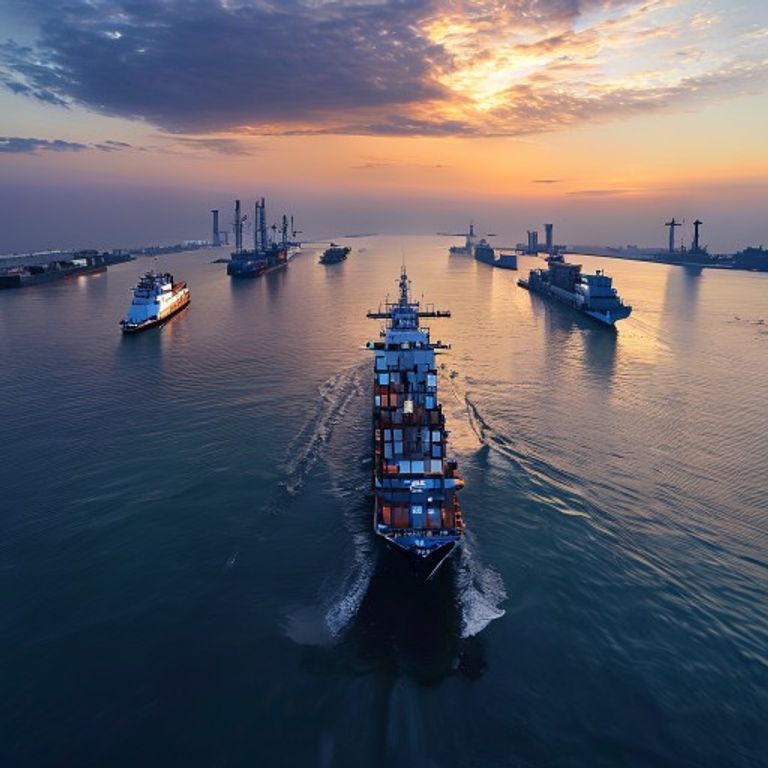
A New Dawn in the Strait of Hormuz
In a historic development that has captured the world’s attention, the United Nations has begun the massive undertaking of evacuating approximately 11,000 sailors from the Strait of Hormuz. This monumental operation comes on the heels of a landmark peace accord between the United States and Iran, signaling a potential end to one of the most volatile maritime standoffs in recent memory. At NewsMatrix, we are closely monitoring these events as they reshape the geopolitical landscape and the future of global trade.
The Strait of Hormuz, a narrow waterway connecting the Persian Gulf with the Gulf of Oman and the Arabian Sea, is often described as the world’s most important oil transit chokepoint. For months, the region has been a theater of high-tension maneuvers, resulting in thousands of maritime workers being stranded on commercial vessels. The current UN-led evacuation is not merely a logistical feat but a humanitarian necessity that underscores the human cost of geopolitical friction.
The UN Humanitarian Mission: Scaling the Evacuation
The scale of the evacuation is unprecedented. Moving 11,000 individuals from various nationalities requires a level of international cooperation rarely seen. The United Nations, acting as a neutral mediator, has deployed a task force to ensure that the transition is handled safely and efficiently. NewsMatrix has received reports that the operation involves a fleet of transport ships, air bridges, and temporary processing centers established in neighboring neutral territories.
Logistical Challenges and Safety Protocols
The evacuation is fraught with challenges. According to maritime experts, the primary concerns include:
- The health and psychological well-being of sailors who have been at sea for extended periods.
- Coordinating the safe passage of civilian transport through waters that were, until recently, highly militarized.
- Ensuring that the departure of these crews does not lead to the abandonment of multimillion-dollar cargo vessels.
The UN has emphasized that the priority remains the safety of the sailors. Many of these individuals have been separated from their families for months, trapped in a cycle of uncertainty as diplomatic negotiations stalled. The peace accord has finally provided the window of opportunity needed to bring them home.
The US-Iran Peace Accord: A Fragile Breakthrough
The catalyst for this evacuation is the surprise peace accord reached between Washington and Tehran. While the specifics of the agreement remain partially classified, the broad strokes indicate a commitment to de-escalation and the restoration of maritime safety. However, as NewsMatrix analysts point out, the “peace” is viewed by many as a fragile ceasefire rather than a definitive resolution of long-standing grievances.
The accord represents a significant shift in the foreign policy of both nations. For the United States, it offers a chance to stabilize global energy markets and reduce its military footprint in the region. For Iran, it provides much-needed relief from the economic pressures of isolation. Yet, the road to this agreement was paved with intense back-channel diplomacy and concessions that are currently being scrutinized by domestic audiences in both countries.
Maritime Activity Resumes Amidst Uncertainty
As the sailors are evacuated, commercial maritime activities are slowly beginning to resume. Large tankers and container ships that were previously diverted or held in port are once again charting courses through the Strait. This resumption is vital for the global economy, as roughly a third of the world’s sea-borne oil passes through this narrow stretch of water.
The Economic Impact of the Standoff
The prolonged tension in the Strait of Hormuz had a cascading effect on global markets. Insurance premiums for shipping in the region skyrocketed, and the uncertainty led to fluctuations in crude oil prices. With the UN-led evacuation and the peace accord, there is hope that market stability will return. NewsMatrix has noted a slight decline in oil futures as traders react to the news of the de-escalation.
Lingering Disputes: The Battle Over Management and Tariffs
Despite the humanitarian progress, significant hurdles remain. The most contentious issues currently being debated involve the future management of the Strait and the implementation of potential tariffs. Iran has signaled that it may not be willing to return to the “pre-conflict norms” that governed the waterway for decades.
Iran’s Stance on Sovereignty and Compensation
Tehran has indicated that it views the Strait of Hormuz as part of its territorial waters over which it should exercise greater regulatory control. This includes the proposal of “passage tariffs”—fees charged to commercial vessels for the use of the waterway. Iran argues that these fees are necessary to cover the costs of maritime security and environmental protection. However, international observers suggest this is a strategic move to secure a permanent revenue stream and assert regional dominance.
The US Position: Global Navigation Rights
Contrasting sharply with Iran’s perspective, the United States remains steadfast in its defense of global navigation rights. The US maintains that the Strait of Hormuz is an international waterway, and under the United Nations Convention on the Law of the Sea (UNCLOS), all vessels enjoy the right of transit passage. The US has made it clear that any attempt to impose tariffs or restrict navigation would be viewed as a violation of international law. This fundamental disagreement suggests that while the current conflict has cooled, the legal and diplomatic battle is only just beginning.
Looking Ahead: Future Negotiations and the New Normal
What does the future hold for the Strait of Hormuz? Most experts interviewed by NewsMatrix believe that the region is entering a period of “managed tension.” The immediate threat of military confrontation has receded, replaced by complex legal and economic negotiations. The UN’s role will likely evolve from humanitarian evacuation to long-term monitoring and mediation.
Key Factors to Watch
- The progress of the joint committee established to discuss maritime tariffs.
- The reaction of other regional powers, such as Saudi Arabia and the UAE, to the US-Iran accord.
- The potential for new international treaties specifically designed for the Strait of Hormuz.
- The long-term presence of international naval coalitions in the region.
The coming months will be critical. If the US and Iran can find common ground on the management of the Strait, it could serve as a blueprint for resolving other maritime disputes globally. However, if the tariff dispute escalates, we could see a return to the brinkmanship that characterized the past year.
Conclusion: A Cautious Optimism
The evacuation of 11,000 sailors is a victory for humanitarianism and a testament to the power of diplomacy. As these men and women return to their homes, the world breathes a sigh of relief. Yet, the situation in the Strait of Hormuz remains far from settled. The clash between national sovereignty and international law continues to play out in one of the world’s most sensitive locations.
At NewsMatrix, we remain committed to providing you with the latest updates on this evolving story. The peace accord has opened a door, but whether that door leads to a lasting era of cooperation or merely a brief pause in a long-standing rivalry remains to be seen. For now, the focus remains on the sailors and the safe resumption of the trade that powers the world.