
 By NewsMatrix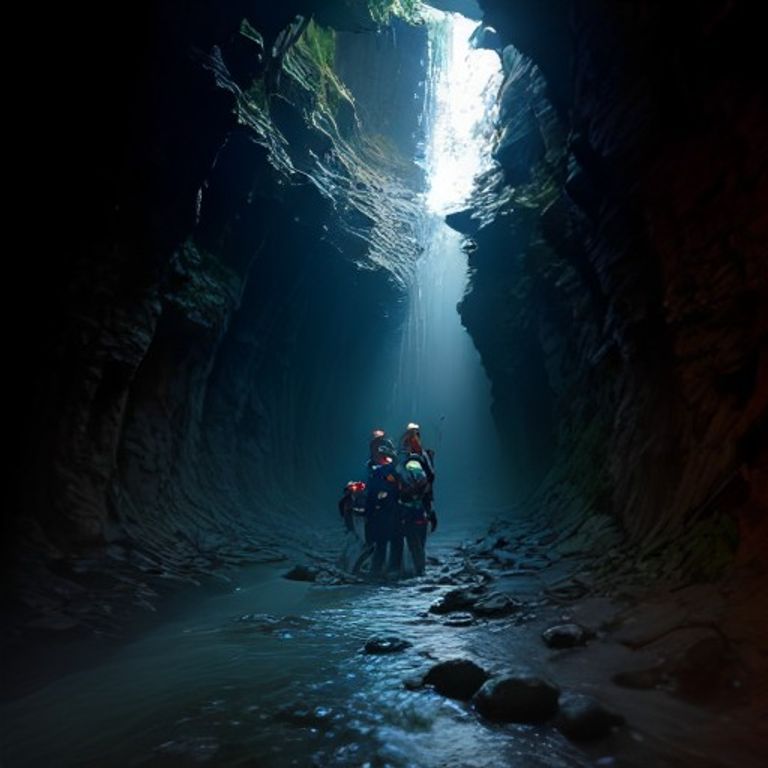
Everest Veterans Lead Perilous Nepal Flood Rescue Efforts in Rasuwa Hydropower Tunnels
Nepal, a nation synonymous with the majestic Himalayas, often finds its resilience tested by the very forces of nature that define its landscape. In a recent and harrowing turn of events, the Rasuwa district in Nepal has become the epicenter of a desperate struggle against the devastating aftermath of torrential floods and landslides. Amidst the chaos and destruction, a beacon of specialized expertise has emerged: a team of highly trained mountain guides and Everest veterans, who have deployed their unparalleled expedition skills to penetrate treacherous disaster zones. Their critical mission: to locate and rescue workers believed to be trapped within multiple, mud-choked hydropower tunnel systems. This Nepal flood rescue operation, combining the precision of high-altitude mountaineering with the urgency of disaster response, highlights the unique challenges and the extraordinary human spirit confronting one of nature’s most unforgiving displays.
The Devastation in Rasuwa: A Landscape Transformed by Fury
The district of Rasuwa, nestled in the central Himalayas, has borne the brunt of relentless monsoon rains, triggering massive floods and landslides that have reshaped its topography. Entire sections of roads have vanished, swallowed by collapsing earth and raging torrents, effectively isolating communities and hampering conventional rescue efforts. The sheer scale of the devastation has created an alien landscape of mud, debris, and fractured infrastructure, rendering many areas inaccessible by traditional means. Homes have been swept away, agricultural land inundated, and vital lifelines severed. The immediate aftermath plunged the region into a communication black-out and a logistical nightmare, making it incredibly challenging to ascertain the full extent of human casualties and the precise locations of those in need of urgent assistance. It is within this chaotic and perilous environment that the specialized rescue teams, embodying a fusion of courage and expertise, have had to carve their own paths, literally and figuratively, to reach the most affected areas and, crucially, the suspected entrapment sites within the region’s critical hydropower infrastructure. The urgency of their mission is underscored by the rapidly diminishing window of survival for anyone caught in the subterranean confines.
Elite Teams: Expertise Forged in the High Peaks, Deployed in Disaster
The decision to deploy highly trained mountain guides and Everest veterans was not merely an act of desperation but a strategic move born from necessity. These individuals possess a skill set uniquely suited to the extreme conditions presented by the Rasuwa disaster. Their expertise extends far beyond scaling peaks; it encompasses advanced rope techniques, navigation through unstable terrain, meticulous risk assessment, wilderness first aid, and the psychological fortitude required to operate under immense pressure in life-threatening environments. Veterans of Everest expeditions, they are accustomed to methodical planning, working in confined spaces, and maintaining composure when faced with the unknown and the potentially fatal. Their ability to read landscapes, anticipate dangers, and execute complex maneuvers with precision makes them invaluable assets when conventional rescue paths are obliterated. In a landscape transformed by mudslides and floodwaters, where familiar landmarks have vanished and new dangers emerge with every passing moment, the expeditionary skills of these guides provide a critical advantage. They are not just rescuers; they are pathfinders, equipped to forge routes through impassable terrain and access areas that others simply cannot reach, leveraging their profound understanding of gravity, geology, and human endurance.
The Perilous Tunnel Entry: A Glimpse into the Unknown
One of the most challenging aspects of the rescue operation involved penetrating a mud-choked hydropower tunnel, an industrial artery now filled with the earth’s vengeful slurry. The specialist teams, leveraging their unique capabilities, managed to push approximately 120 meters into the dark, claustrophobic expanse. This was no ordinary entry; it required careful assessment of structural integrity, constant monitoring of air quality, and the methodical removal of debris under incredibly unstable conditions. Each meter gained was a testament to their resilience and technical prowess. Inside the tunnel, amidst the thick, viscous mud, rescuers made a significant, albeit somber, discovery: a camera bag. While not the sign of life they desperately sought, the presence of personal belongings served as a stark reminder of the workers who were likely in the tunnel when the disaster struck. This find also underscored the depth of the inundation and the power of the floodwaters. Following this initial penetration, the teams determined that further access would require heavy excavation equipment – a logistical challenge of immense proportions given the obliterated infrastructure and the remote nature of the site. The recovery of the camera bag, however, provided crucial validation of their search trajectory and intensified the resolve to continue the arduous and dangerous work.
The Broader Search: Multiple Hydropower Systems Under Threat
The focus of the rescue operations extends beyond a single incident, aiming to locate workers trapped across multiple hydropower tunnel systems within the Rasuwa district. Nepal, a country rich in water resources, has strategically invested in hydropower as a cornerstone of its economic development and energy independence. The rugged mountainous terrain, while ideal for generating hydroelectricity, also presents inherent vulnerabilities to natural disasters like floods and landslides, which are exacerbated by climate change. These hydropower projects often involve extensive underground tunneling, creating complex networks designed to channel water for power generation. When natural disasters strike with the intensity recently witnessed in Rasuwa, these tunnels can become deadly traps, filled with water, mud, and debris, with access points easily cut off. The scale of the current emergency suggests that several such critical infrastructures have been impacted, raising fears for the safety of numerous individuals who would have been working in various sections of these underground facilities. The comprehensive nature of the search operation reflects the understanding that this is not an isolated incident but a widespread crisis affecting a critical industrial sector and its workforce. The implications for both human lives and national infrastructure are profound, making the current rescue efforts a race against time and an unprecedented test of Nepal’s disaster response capabilities.
Technological Aid and Future Challenges in Disaster Response
While human ingenuity and physical strength remain paramount in these initial, perilous stages of rescue, the long-term and deeper recovery efforts will undoubtedly necessitate advanced technological assistance. The determination that excavation equipment is needed for deeper access points to the mud-choked tunnels highlights the transition from immediate, manual search to more mechanized and systematic recovery. This could involve specialized tunnel boring machines adapted for rescue, remote-controlled cameras and sensors capable of navigating tight, unstable spaces, and ground-penetrating radar to identify voids or anomalies beneath layers of debris. Communication in such environments is also critical; robust, reliable systems that can operate underground are essential for coordinating teams and relaying vital information. The challenges, however, are immense. Transporting heavy machinery to areas where roads have vanished requires monumental engineering feats, potentially involving temporary bridge construction or helicopter lifts. Furthermore, the inherent instability of flood-damaged geological formations poses constant risks of secondary landslides or collapses, necessitating continuous monitoring and expert geological assessments. The future implications of this disaster will also force a re-evaluation of safety protocols and engineering resilience for hydropower projects in similarly vulnerable regions, pushing for innovative solutions to safeguard workers and infrastructure against an increasingly unpredictable climate.
A Glimmer of Hope Amidst Despair: The Unyielding Spirit of Rescue
In the face of such overwhelming destruction and the grim reality of the situation, the determination of the rescue teams offers a crucial glimmer of hope. Each hour passed under these conditions diminishes the chances of survival, yet the mountain guides and Everest veterans press on with unwavering resolve, fueled by the sheer human imperative to save lives. Their efforts are a profound testament to the power of human compassion and the indomitable spirit of those who risk everything for others. Families of the trapped workers endure an agonizing wait, clinging to every fragment of news, every sign of progress. The collective anxiety hanging over Rasuwa is palpable, but so too is the sense of community and mutual support. International observers and aid organizations are watching closely, ready to provide further assistance as the situation evolves. While the recovery of a camera bag might seem minor in the grand scheme of the disaster, for the rescuers, it is a tangible piece of the puzzle, confirming their direction and reinforcing the belief that the lives they are searching for are indeed within reach, however challenging the journey to them may be. This persistent search, against all odds, embodies the profound responsibility taken on by those who choose to stand in the breach between disaster and survival.
Conclusion: Resilience in the Face of Nature’s Fury
The ongoing Nepal flood rescue in Rasuwa stands as a stark and powerful reminder of both nature’s immense destructive power and humanity’s extraordinary capacity for resilience and specialized heroism. The deployment of highly trained mountain guides and Everest veterans, utilizing their unique expedition skills to navigate unprecedented disaster zones and penetrate mud-choked hydropower tunnels, represents a pinnacle of adaptive and courageous response. While the immediate findings, such as a camera bag, underscore the grim reality of the situation, they also validate the arduous efforts and guide the path forward. The mission to locate workers trapped across multiple tunnel systems remains fraught with peril and immense logistical hurdles, emphasizing the critical need for continued effort and potential technological augmentation. As the people of Rasuwa confront the dual tragedy of natural devastation and the agonizing uncertainty surrounding their loved ones, the dedication of these elite rescue teams offers a beacon of unwavering hope. Their actions resonate globally, highlighting the invaluable role of specialized expertise in mitigating the impact of increasingly frequent and severe natural disasters, and reinforcing the profound human commitment to never leave anyone behind.