
 By NewsMatrix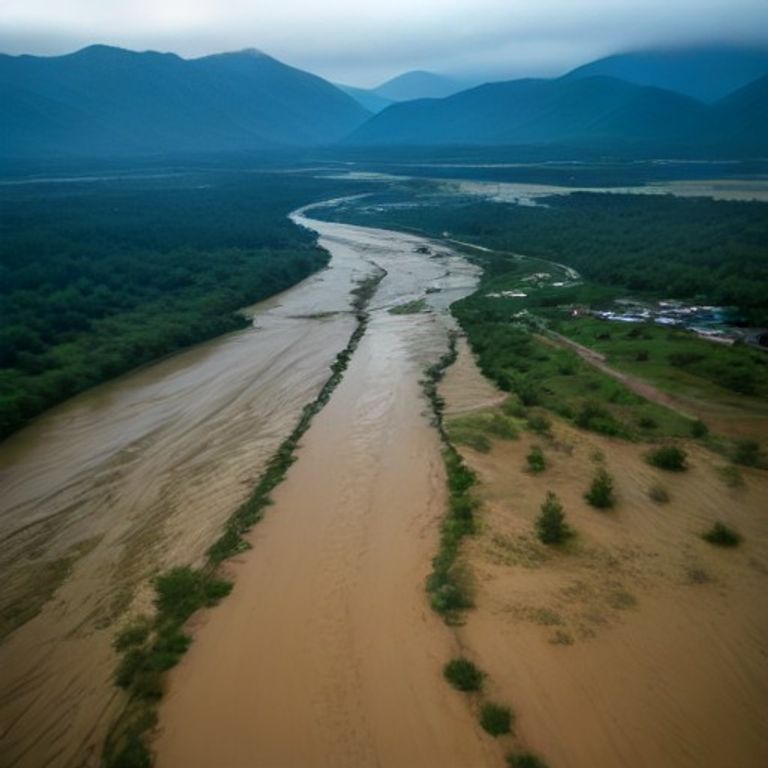
Nepal Faces Staggering $5 Billion Reconstruction Bill After Devastating Floods
KATHMANDU, NEPAL – Nepal is grappling with the monumental task of rebuilding after a series of devastating floods ravaged the Himalayan nation, claiming over 600 lives, leaving thousands missing, and inflicting widespread destruction across its critical infrastructure. In a sobering assessment, Nepal’s finance minister has estimated the cost of comprehensive Nepal flood reconstruction efforts to be between a staggering four and five billion US dollars, underscoring the immense challenge ahead for one of the world’s most vulnerable economies. This figure highlights the profound economic and social disruption caused by the natural calamity, which has obliterated entire towns, severed vital transportation links, and significantly impaired energy generation capabilities.
The Scale of Catastrophe: A Nation Submerged in Sorrow and Debris
The recent monsoon-triggered floods, unprecedented in their ferocity and scale, have left an indelible mark on Nepal’s landscape and its people. Rivers swelled beyond their banks, unleashing torrents of water and mud that swept away homes, livelihoods, and lives with horrifying speed. The human toll is particularly harrowing, with over 600 confirmed fatalities and the painful uncertainty surrounding thousands still reported missing. Families and communities have been torn apart, with many now facing the grim reality of rebuilding their lives from scratch, often without the solace of having recovered their loved ones.
Beyond the immediate loss of life, the material damage is equally devastating. Remote villages and bustling market towns alike have been reduced to rubble, their vibrant communities silenced by the relentless forces of nature. The nation’s already fragile infrastructure bore the brunt of the disaster. Bridges, critical arteries for trade and movement, have collapsed, isolating regions and hindering relief efforts. Major roads have been washed away, creating formidable logistical nightmares for aid delivery and further exacerbating the suffering of those stranded. The economic backbone of many regions, particularly the agricultural sector, has been severely hit as fertile lands lie submerged under silt and debris, promising long-term food security concerns.
Critical Infrastructure Under Siege: Hydropower and Beyond
A significant portion of the estimated reconstruction cost is attributed to the extensive damage sustained by Nepal’s vital hydropower stations. As a nation heavily reliant on hydroelectricity, the damage to these facilities represents a major setback for its energy independence and economic development aspirations. Many power stations, some newly built, were inundated or directly hit by landslides and floodwaters, leading to widespread power outages and a substantial reduction in the country’s energy production capacity. Repairing and restoring these complex engineering marvels will require not only massive financial investment but also specialized expertise and considerable time, impacting industries and households nationwide.
The cascading effects of infrastructure destruction extend beyond just power. Telecommunication networks have been disrupted, making communication in affected areas challenging and impeding coordinated rescue operations. Water supply systems have been contaminated or destroyed, posing significant public health risks and necessitating urgent interventions to provide safe drinking water to millions. The cumulative effect of these losses on public services and economic activity paints a grim picture for Nepal’s immediate future, pushing millions deeper into poverty and vulnerability.
Ongoing Rescue and Relief: A Race Against Time and Weather
In the immediate aftermath of the floods, search and rescue operations were launched with commendable urgency by the Nepali army, police, and local volunteers. However, these life-saving efforts have been severely hampered by persistent bad weather conditions, including continuous rainfall and treacherous terrain. Helicopters, crucial for reaching isolated communities and evacuating the injured, have often been grounded, delaying critical interventions. Ground teams have faced immense difficulties navigating destroyed roads and unstable landscapes, putting their own lives at risk to save others.
Despite these formidable challenges, the spirit of humanitarianism has shone through. Local communities have rallied together, offering what little they have to those who have lost everything. International assistance has also begun to flow into the country. India, a close neighbor, has been particularly proactive, providing substantial relief materials to the affected regions. This includes essential supplies such as food, tents, medical kits, and purification tablets, playing a crucial role in alleviating the immediate suffering of tens of thousands displaced by the disaster. The Indian government’s swift response underscores the strong bilateral ties and the spirit of regional cooperation in times of crisis.
The Road to Recovery: A Multi-Billion Dollar Endeavor
The finance minister’s preliminary estimate of four to five billion dollars for Nepal flood reconstruction is a stark reminder of the long and arduous journey that lies ahead. This figure is not merely a number; it represents the immense effort required to rebuild homes, restore livelihoods, repair vital infrastructure, and heal a nation traumatized by loss. To put this into perspective, Nepal’s Gross Domestic Product (GDP) in 2022 was estimated to be around $40 billion. A reconstruction bill of this magnitude therefore represents a significant percentage of the country’s entire economic output, indicating the profound strain it will place on national resources.
The reconstruction strategy will need to be multi-faceted, addressing immediate needs while also laying the groundwork for long-term resilience. This includes:
- Housing and Shelter: Providing temporary shelter for the displaced and initiating the construction of permanent, flood-resilient homes.
- Infrastructure Rebuilding: Reconstructing damaged roads, bridges, and critically, the hydropower plants, with an emphasis on building back stronger to withstand future climatic events.
- Livelihood Restoration: Supporting farmers to reclaim and replant their fields, providing grants or loans to small businesses, and creating employment opportunities in the reconstruction efforts.
- Health and Sanitation: Restoring healthcare facilities, preventing the outbreak of waterborne diseases, and ensuring access to clean water and sanitation.
- Education: Repairing or rebuilding damaged schools to ensure continuity of education for children in affected areas.
The scale of this undertaking will undoubtedly require significant international support, both financial and technical. While immediate humanitarian aid is crucial, sustained assistance for rehabilitation and long-term development will be paramount. International donor agencies, friendly nations, and global financial institutions will need to work in close coordination with the Nepali government to ensure that resources are effectively deployed and that the reconstruction process is transparent and accountable.
Lessons in Resilience and Preparedness
This latest disaster serves as a harsh reminder of Nepal’s vulnerability to climate change and its geographical susceptibility to natural hazards. The devastating impact of the floods underscores the urgent need for enhanced disaster preparedness and risk reduction strategies. Investing in early warning systems, constructing resilient infrastructure, implementing effective land-use planning, and educating communities on disaster response are no longer optional but essential for the nation’s future security.
Furthermore, the long-term impact on Nepal’s economy cannot be overstated. Tourism, a vital source of foreign exchange and employment, will likely suffer setbacks as infrastructure damage and perceptions of risk deter visitors. The agricultural sector, which employs a significant portion of the population, faces years of recovery. The government will need to implement robust economic policies to cushion these blows, potentially revising its national development plans to prioritize disaster recovery and climate adaptation.
The environmental consequences are also profound. Deforestation, unscientific infrastructure development, and climate change are all contributing factors to the increased frequency and intensity of such events. A comprehensive reconstruction plan must therefore integrate environmental sustainability and climate-resilient practices to break the cycle of repeated devastation.
Conclusion: A Unified Effort for a Resilient Future
Nepal stands at a critical juncture, facing a monumental challenge that demands an unprecedented level of national unity and international solidarity. The estimated four to five billion dollars for Nepal flood reconstruction is a testament to the sheer magnitude of loss and the vast undertaking required to restore normalcy and build a more resilient future. The memories of the more than 600 lives lost and thousands missing will undoubtedly fuel the resolve to rebuild not just structures, but also hope.
As search and rescue operations continue amidst challenging weather, and as India and other international partners provide crucial relief, the focus is now slowly shifting towards the long-term recovery phase. This period will test Nepal’s resolve, its administrative capacity, and the enduring strength of its people. With sustained international cooperation, strategic planning, and the unwavering spirit of its citizens, Nepal can, and must, emerge stronger from this tragedy, building a future where its communities are better protected against the relentless forces of nature.