
 By NewsMatrix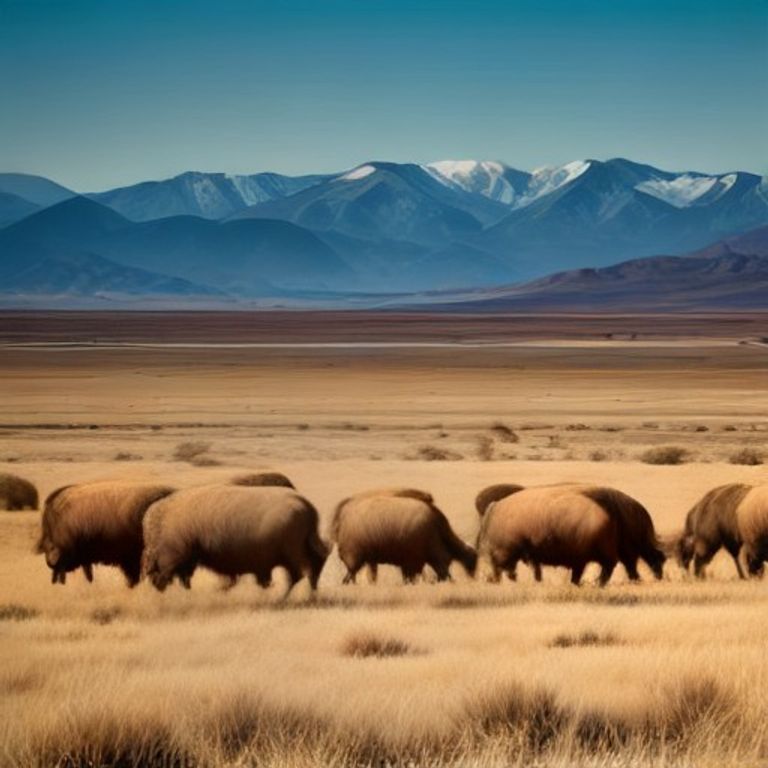
American Bison Comeback: Coahuila’s Ecological Transformation
After an absence that stretched for 160 long years, the majestic American Bison has made a triumphant American Bison Comeback to the rugged landscapes of Coahuila, Mexico. This remarkable return marks a pivotal moment in North American conservation, signaling not just the re-establishment of an iconic species but the profound revitalization of an entire ecosystem. These colossal animals, once the lifeblood of vast grasslands, are proving to be invaluable ecosystem engineers, actively transforming and rejuvenating worn-out terrains. Their presence is fundamentally enhancing soil quality, promoting crucial water absorption in the characteristically dry terrain of Coahuila, and facilitating a vibrant resurgence of native predators and other vital wildlife. This ambitious initiative in Coahuila is not an isolated event; rather, it is a crucial component of a much wider, collaborative effort aimed at restoring essential species and their ecological functions across the entirety of North America, promising a brighter future for biodiversity and ecological health.
A Grand Return: 160 Years in the Making
The history of the American Bison in Mexico is a narrative of profound loss and now, inspiring recovery. For centuries, vast herds roamed the northern plains of Mexico, including regions within what is now Coahuila, playing an indispensable role in shaping the continent’s ecosystems. However, by the mid-19th century, rampant hunting, habitat destruction, and westward expansion led to a catastrophic decline. The last wild bison in Mexico were believed to have vanished from Coahuila around 1850, leaving an ecological void that persisted for over a century and a half. The landscape, once dynamically sculpted by their grazing and movement, became static, losing much of its inherent resilience and biodiversity.
The journey to bring bison back to Coahuila has been meticulously planned and executed, drawing on decades of conservation science and international cooperation. This particular herd, a genetic descendant of one of the last remaining wild populations in North America, was carefully selected for its genetic purity and ecological fitness. The reintroduction site in Coahuila, specifically within the expansive Maderas del Carmen protected area, was chosen for its vastness, suitable habitat, and the presence of other native species that historically coexisted with bison. This area, part of the Chihuahuan Desert, provides the challenging yet ultimately rewarding environment where these animals can once again thrive and exert their ecological influence.
The Initial Challenges and Triumphs
The initial phase of reintroduction involved careful acclimation, monitoring, and protection. Bison are large, powerful animals, but their success in a new environment depends on a multitude of factors, including the availability of forage, water, and protection from human disturbance. Local communities, often the first line of defense and support for such projects, have been integral to the success. Educational programs and engagement initiatives have helped foster understanding and acceptance, transforming potential conflicts into opportunities for shared stewardship. The successful establishment of the initial herd has been a testament to the dedication of conservationists, government agencies, and the resilience of the bison themselves.
Ecosystem Engineers: Architects of Revival
The term “ecosystem engineer” perfectly encapsulates the role of the American Bison. Unlike passive inhabitants, bison actively modify their environment, creating conditions that benefit a vast array of other species. Their sheer size, grazing habits, and migratory patterns initiate a cascade of ecological processes that are vital for healthy grassland ecosystems, especially in arid and semi-arid regions like Coahuila.
Grazing Patterns and Soil Health
One of the most immediate and profound impacts of bison is through their grazing. Unlike domestic livestock, bison exhibit patchy grazing patterns, meaning they don’t graze an entire area uniformly. This creates a mosaic of habitats: some areas are heavily grazed, promoting the growth of new, nutritious shoots, while others are left taller, providing cover for wildlife. This selective grazing prevents any single plant species from dominating, thereby increasing plant diversity. Furthermore, their powerful digestive systems break down plant matter efficiently, and their dung returns vital nutrients and organic matter to the soil. This natural fertilization process enhances soil fertility, improves its structure, and supports a rich community of soil microorganisms, which are the bedrock of a healthy ecosystem.
Water Management in Arid Lands
In a dry region like Coahuila, water management is paramount. Bison contribute significantly to this. Their heavy hooves break up hard soil crusts and create depressions, known as “wallows.” These wallows collect rainwater, forming temporary pools that serve as crucial watering holes for a variety of small animals, insects, and birds. More importantly, the hoof action and the creation of these depressions increase the soil’s capacity to absorb and retain water. This improved infiltration reduces runoff and allows water to penetrate deeper into the soil profile, replenishing groundwater reserves and making moisture available to plants for longer periods, especially during dry spells.
Biodiversity Enhancement
The ecological legacy of bison extends far beyond soil and water. Their presence creates a dynamic and diverse landscape that supports a rich tapestry of life. By selectively grazing, they create varied vegetation heights and densities, which in turn provide diverse habitats for various species. The tall grasses in ungrazed patches offer cover for nesting birds and small mammals, while shorter, recently grazed areas provide foraging grounds. Bison rubbing against trees and creating dust baths also alter the physical environment, creating microhabitats and opportunities for other species. Moreover, their movement disperses seeds across vast distances, facilitating plant migration and genetic exchange, further enriching the botanical diversity of the region. Insects thrive in bison dung, providing a food source for insectivorous birds and other small predators, demonstrating the intricate web of life that revolves around these magnificent animals.
The Ripple Effect: Predators and Prey
The return of the American Bison to Coahuila is not just about the bison themselves; it’s about restoring a complete ecological community. As a primary herbivore, the bison represent a critical prey base, which is essential for the re-establishment and sustainability of native predators that have also suffered significant declines. The absence of large prey like bison historically destabilized predator populations, leading to localized extinctions or shifts in diet that impacted other species.
With bison back on the landscape, predators such as the Mexican grey wolf and puma, both apex predators whose populations are under varying degrees of threat, find a renewed source of sustenance. This allows their populations to recover naturally and resume their vital role in regulating herbivore numbers, preventing overgrazing, and ensuring the health and vigor of the prey herds. The return of these top predators signifies a move towards a more balanced and resilient ecosystem, where natural processes of predator-prey dynamics can once again unfold. Additionally, scavengers like various vulture species and coyotes also benefit from the presence of bison, feeding on carcasses and playing a crucial role in nutrient cycling and disease control.
A North American Vision: Collaborative Conservation
The successful reintroduction of bison in Coahuila is a shining example of transboundary conservation efforts. It is a testament to the power of international collaboration, primarily between Mexico and the United States, in addressing shared ecological challenges. The vision extends beyond individual reintroduction sites, aiming to establish connected, viable bison populations across their historical range in North America, often referred to as “rewilding” the continent.
This initiative builds upon earlier successes, such as the reintroduction of bison to the Janos Biosphere Reserve in Chihuahua, Mexico, which began over a decade ago. Lessons learned from these pioneering projects have informed the strategies employed in Coahuila, ensuring best practices in animal husbandry, habitat management, and community engagement. Government agencies, non-governmental organizations (NGOs), and private landowners are all playing crucial roles. These partnerships provide the necessary funding, scientific expertise, political will, and on-the-ground support required for such large-scale conservation undertakings. The long-term goal is to create a network of connected habitats, allowing bison herds to move more freely, mimicking their historical migratory patterns, and enhancing their genetic diversity and resilience to environmental changes.
Challenges and the Path Forward
While the return of bison to Coahuila is a monumental achievement, the path forward is not without its challenges. Ensuring the long-term viability of these herds requires ongoing vigilance and adaptive management strategies.
- Ensuring Genetic Diversity: Maintaining a healthy genetic pool is crucial to prevent inbreeding and ensure the herds can adapt to future environmental changes and diseases. This often involves careful management of breeding programs and potential introductions of individuals from other purebred herds.
- Mitigating Human-Wildlife Conflict: As bison populations grow and potentially expand their range, there is always a possibility of conflict with human activities, particularly ranching. Developing effective strategies for coexistence, such as range riders, fencing solutions, and compensation programs, is essential.
- Combating Poaching and Habitat Fragmentation: Bison, like many large mammals, remain vulnerable to poaching. Robust anti-poaching measures and continued protection of their habitat are non-negotiable. Urbanization and infrastructure development also pose threats through habitat fragmentation, which can isolate populations and restrict their movement.
- Long-term Monitoring and Research: Continuous scientific monitoring of the bison populations, their health, and their ecological impact is vital. This research provides critical data to inform management decisions and ensures the project remains ecologically sound and adaptable.
- Importance of Community Engagement and Education: Sustained conservation success hinges on the active participation and support of local communities. Educational initiatives that highlight the ecological, cultural, and potential economic benefits of bison can foster a sense of ownership and pride, turning neighbors into conservation allies.
Conclusion: A Symbol of Hope and Resilience
The reintroduction of the American Bison to Coahuila, Mexico, transcends a mere biological event; it is a powerful symbol of hope, resilience, and the enduring possibility of ecological restoration. After 160 years, the return of these magnificent animals has kick-started a profound ecological transformation, demonstrating their critical role as ecosystem engineers in rejuvenating dry landscapes, enhancing biodiversity, and restoring natural predator-prey dynamics. This ambitious project, part of a larger North American conservation vision, underscores the importance of international collaboration and dedicated conservation efforts.
The sight of bison once again gracing the plains of Coahuila is a testament to what can be achieved when science, passion, and cross-border cooperation converge. It offers valuable lessons for ecological restoration initiatives globally, reminding us that with concerted effort, even long-lost species can make a triumphant return, bringing with them the promise of healthier, more vibrant ecosystems for generations to come. The future of Coahuila’s wild lands, and indeed a significant portion of North America’s ecological heritage, looks brighter with the thunder of bison hooves once again echoing across the landscape.