
 By NewsMatrix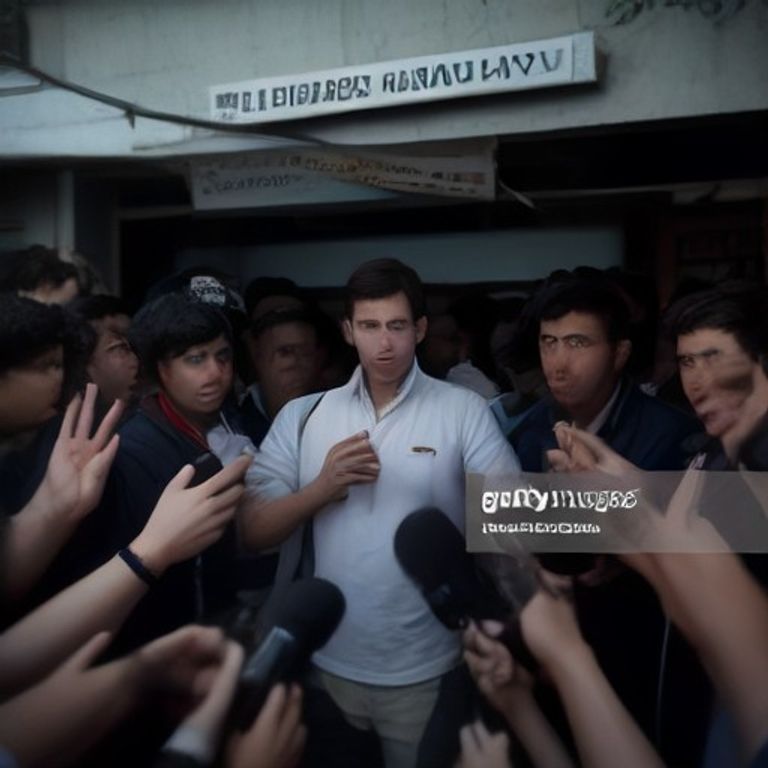
Rahul Gandhi’s Police Protest Triggers Political Showdown India: Nadda Alleges Media Stunt
The recent political skirmish in India saw Union Minister JP Nadda of the Bharatiya Janata Party (BJP) launch a scathing attack on prominent Congress leader Rahul Gandhi, following Gandhi’s protest outside a police station. Nadda characterized the demonstration as a desperate maneuver for media attention, aiming to divert public discourse from the burgeoning ‘Vande Mataram’ controversy that has engulfed the Congress party. This dramatic accusation marks a significant moment in the ongoing Political Showdown India, highlighting the deep ideological divides and strategic maneuvers that define the nation’s political landscape. On the other side, Rahul Gandhi asserted his protest was driven by a commitment to address severe allegations of police brutality against students, an issue that has garnered national attention and is currently under review by the Supreme Court in the wake of a July 20 incident. This confrontation underscores the perpetual tension between the ruling party and the opposition, each vying for narrative control and public support amidst a backdrop of critical national issues.
Nadda’s Scathing Critique: Media Stunt and Diversion from ‘Vande Mataram’ Controversy
JP Nadda’s critique of Rahul Gandhi’s protest was unsparing, painting it as a calculated spectacle rather than a genuine expression of concern for student welfare. Speaking to reporters, the BJP president articulated his firm belief that the Congress party, particularly its senior leadership, was attempting to create a smokescreen to obscure its internal struggles and controversies. He explicitly linked Gandhi’s actions to the ‘Vande Mataram’ controversy, suggesting a deliberate and cynical diversionary tactic. Nadda’s narrative posited that the Congress, finding itself on the defensive, was orchestrating a public display to shift focus away from its perceived vulnerabilities and capitalize on an unrelated issue for political gain.
The ‘Vande Mataram’ controversy, which Nadda alluded to, stems from recent reports and allegations concerning certain Congress-affiliated individuals or factions allegedly expressing reservations or perceived disrespect towards the national song, ‘Vande Mataram’. This song holds immense symbolic value in India, deeply ingrained in the nation’s history as an anthem of the freedom struggle and a powerful symbol of patriotic fervor. Any perceived slight against ‘Vande Mataram’ is typically met with strong reactions, especially from nationalist quarters and parties like the BJP, which frequently champions cultural nationalism and emphasizes traditional Indian values. For the BJP, such an issue presents a potent opportunity to question the patriotic credentials of the opposition and galvanize its own support base.
Nadda’s strategy was clear: to frame Gandhi’s protest not as an act of genuine solidarity with students, but as a cynical political gambit designed to shift focus away from Congress’s vulnerability on a sensitive nationalistic front. He argued that the Congress party, finding itself on the defensive regarding its patriotic credentials, was resorting to theatrical protests to regain momentum and project an image of active opposition. By doing so, Nadda implied, the Congress hoped to overshadow the criticism it faced over the ‘Vande Mataram’ issue, thereby diverting public and media attention. This narrative sought to undermine the legitimacy of Gandhi’s protest entirely, reducing it to a mere publicity stunt devoid of genuine intent to address the substantive issue of police brutality.
Furthermore, Nadda’s comments tapped into a broader political strategy of the BJP to consistently portray the Congress as out of touch with the sentiments of the common Indian populace, particularly on matters of national pride and cultural heritage. By linking Gandhi’s protest to an alleged lack of respect for ‘Vande Mataram’, the BJP aimed to create a stark contrast between its own perceived commitment to national values and the Congress’s alleged indifference. This tactical move is often deployed to rally the BJP’s conservative and nationalist voter base, reinforcing the party’s image as the primary custodian of India’s cultural and national identity. The Union Minister’s strong words underscored the BJP’s intent to control the political narrative and capitalize on any perceived misstep by the opposition.
Rahul Gandhi’s Defense: Addressing Police Brutality and Student Rights
In stark contrast to Nadda’s allegations, Rahul Gandhi presented his demonstration as a principled and necessary stand against state overreach and the egregious use of force against young, protesting students. Gandhi, accompanied by other prominent Congress party members, staged his protest outside the police station, demanding immediate accountability for what he described as severe police excesses. His primary focus was on the deeply troubling events of July 20, when students engaged in protests reportedly faced disproportionate and unwarranted police action, leading to numerous injuries and widespread condemnation from various civil society groups, human rights organizations, and concerned citizens across the nation.
The specific details of the July 20 incident, while not fully elucidated in the immediate aftermath, have since become a subject of intense public debate and increasing judicial scrutiny. Eyewitness accounts and preliminary reports from various sources suggested that police personnel allegedly employed excessive and disproportionate force to disperse student gatherings. These reports detailed incidents that resulted in significant physical harm to several individuals, raising serious questions about police conduct and the constitutional rights of citizens to peaceful assembly and protest. The incident ignited a fierce debate about the fundamental rights of students to protest peacefully without fear of intimidation or violence, and the appropriate limits of state power in maintaining law and order within a democratic framework.
Gandhi’s protest, therefore, aimed to amplify the voices of these students, drawing national attention to their plight and explicitly pressuring authorities to take concrete and immediate action against those responsible for the alleged brutality. He emphasized the inviolable democratic right to dissent and the imperative for law enforcement agencies to uphold constitutional freedoms rather than suppress legitimate grievances with violence. For Gandhi and the Congress party, this was not merely a political maneuver but a fundamental defense of democratic principles and the protection of vulnerable citizens. He asserted that a government’s responsibility extends to ensuring the safety and rights of its citizens, especially its youth, and that any deviation from this principle demands immediate and forceful condemnation.
The fact that the Supreme Court of India has taken cognizance of the matter further underscores the gravity of the situation, lending significant legal weight to the students’ claims and placing the issue squarely within the purview of national concern and judicial oversight. The apex court’s intervention signifies a recognition of the serious nature of the allegations and the pressing need for an impartial and thorough investigation. This judicial engagement promises a comprehensive review of the incident, potentially leading to specific directives for police reform, accountability measures for individual officers, and clearer guidelines for handling future student protests. Gandhi’s strategic decision to highlight this judicial involvement serves to legitimize his protest and frame the issue as a matter of justice and rule of law, transcending immediate partisan politics.
The Broader Political Chessboard: Tactics and Narratives
The clash between JP Nadda and Rahul Gandhi is more than just an isolated incident; it reflects the deep-seated political rivalry and ideological warfare that characterizes contemporary Indian politics. The Bharatiya Janata Party, under the leadership of Prime Minister Narendra Modi, has consistently sought to portray the Congress as a party that is out of touch with nationalistic sentiments, ineffective in governance, and disconnected from the aspirations of the common people. Conversely, the Congress, under leaders like Rahul Gandhi, frequently accuses the BJP of authoritarian tendencies, suppressing legitimate dissent, and systematically undermining democratic institutions and constitutional freedoms.
This particular confrontation serves as a potent example of how both major parties strategically frame issues to consolidate their respective bases and discredit their opponents in the eyes of the electorate. For the BJP, highlighting the ‘Vande Mataram’ controversy allows them to tap into a strong vein of nationalistic sentiment, which has proven immensely effective in mobilizing their core electorate. By accusing Gandhi of engaging in a mere distraction, they aim to diminish the credibility and moral authority of his protest, redirecting public anger and skepticism towards the Congress’s perceived lack of patriotism. This tactic is entirely consistent with the BJP’s broader narrative of positioning itself as the primary guardian of national pride, cultural values, and traditional Indian ethos.
For the Congress, raising the issue of police brutality against students aligns perfectly with its efforts to champion the cause of marginalized groups, uphold civil liberties, and defend democratic freedoms. It allows them to position themselves as the protectors of constitutional rights, a narrative that resonates deeply with a significant segment of the population increasingly concerned about perceived infringements on fundamental rights and freedoms. By emphasizing the Supreme Court’s involvement, Gandhi strategically strengthens the legitimacy of his claims and frames the issue as a critical matter of justice and accountability, thereby attempting to transcend immediate partisan squabbles and appeal to a broader sense of fairness and rule of law.
The incident also sheds light on the omnipresent role of media in shaping public perception and influencing political outcomes. In an era of pervasive digital media, rapid news cycles, and intense competition for eyeballs and clicks, political parties are increasingly adept at orchestrating events that are guaranteed to generate significant media coverage. Nadda’s accusation of a “desperate bid for media coverage” is itself a direct acknowledgment of this contemporary political reality, even as he attempts to delegitimize Gandhi’s actions. The complex interplay between astute political maneuvering, carefully constructed media narratives, and fluctuating public sentiment creates an intricate ecosystem where every action and reaction is meticulously scrutinized for its potential political impact and its capacity to sway public opinion. This ongoing struggle for narrative control is central to modern Indian politics.
Conclusion: An Enduring Political Standoff
The recent political exchange between Union Minister JP Nadda and Congress leader Rahul Gandhi encapsulates the intense and often acrimonious nature of Indian political discourse. While Nadda vehemently accused Gandhi of engaging in a media spectacle to deflect attention from the ‘Vande Mataram’ controversy, Gandhi steadfastly maintained his protest was a crucial effort to highlight and seek redress for alleged police brutality against students, an issue now squarely before the Supreme Court. This Political Showdown India serves as a microcosm of the larger ideological and strategic battles unfolding across the nation, illustrating the fundamental disagreements that define the country’s political landscape.
It underscores how deeply intertwined nationalistic sentiments, concerns for civil liberties, and the relentless pursuit of political advantage are in India’s vibrant, yet often turbulent, democratic landscape. The incident is not merely a transient news item but a significant indicator of the ongoing political dynamics, where every action and reaction carries substantial implications for the nation’s future direction. As the Supreme Court continues its review of the July 20 incident, seeking to ensure justice and accountability, and as political parties prepare for future electoral contests, the differing narratives put forth by the BJP and Congress will undoubtedly continue to shape public debate, influencing perceptions and solidifying their respective positions in the enduring quest for political supremacy and effective governance.
The intensity of the reactions from both sides highlights the high stakes involved in Indian politics, where every issue, no matter how localized, can be swiftly nationalized and politicized. The battle for public opinion is continuous, with each party attempting to define the terms of engagement and control the overarching narrative. The student protest and the allegations of police brutality, combined with the ‘Vande Mataram’ controversy, weave together a complex tapestry of issues that challenge the nation’s democratic fabric and its commitment to fundamental rights. The incident thus serves as a powerful reminder of the robust, often confrontational, yet ultimately dynamic nature of Indian democracy, where the voice of dissent and the power of accountability remain central to its functioning.