
 By NewsMatrix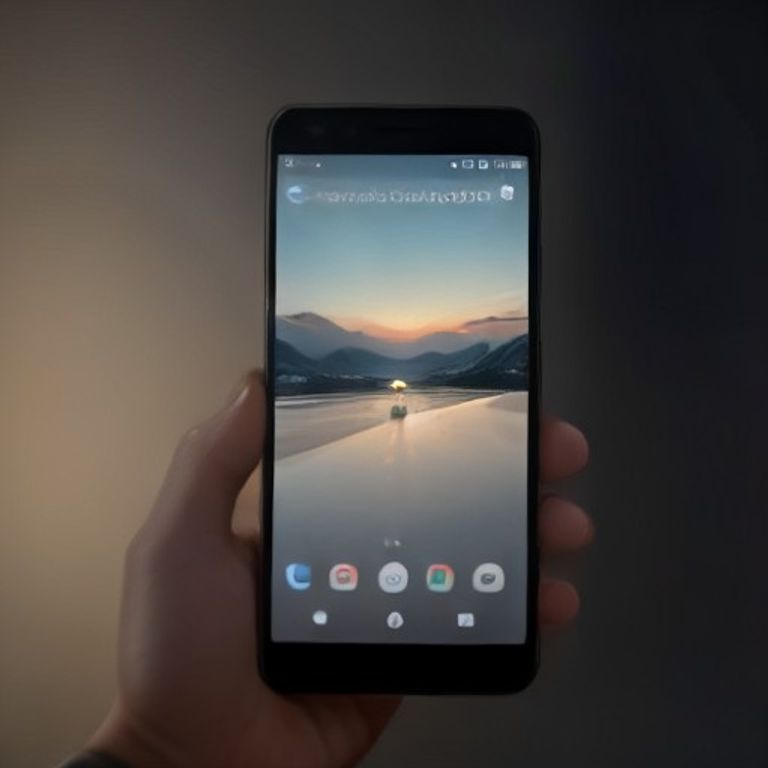
The Dawn of a New Era in Mobile Photography
In a highly anticipated announcement that sent ripples across the technology world, Sundar Pichai, the esteemed CEO of Google, recently captivated audiences by showcasing a stunning array of images captured exclusively on the new Pixel 11 smartphone. These breathtaking photographs were not merely promotional material; they served as a powerful testament to the groundbreaking camera technology and sophisticated software that define the device. The unveiling emphatically underscored Google’s relentless pursuit of innovation, particularly in the realm of mobile imaging. With the Pixel 11 series, Google is not just releasing a new phone; it is ushering in a transformative era for Pixel 11 Photography, driven by impressive optical upgrades and the formidable power of Gemini Intelligence.
The new Pixel 11 is engineered to transcend traditional smartphone photography limitations, boasting a robust 48-megapixel main camera complemented by an equally capable ultrawide counterpart. This hardware foundation, however, is merely the starting point. The true marvel lies in how this advanced optical system synergizes with Google’s proprietary AI, enabling the device to excel in notoriously challenging scenarios, particularly low-light environments, thanks to revolutionary tools like Instant Night Sight. This article delves into the intricate details of how the Pixel 11 is poised to redefine user expectations for smartphone cameras, making professional-grade photography accessible to everyone.
Sundar Pichai’s Visionary Unveil
The presentation by Sundar Pichai was more than a product launch; it was a demonstration of a future where computational photography seamlessly blends with hardware excellence. The images displayed ranged from vibrant landscapes to intricate portraits and challenging low-light urban scenes, each exhibiting an extraordinary level of detail, dynamic range, and color accuracy previously thought unattainable on a mobile device. Pichai’s pride was palpable as he articulated how these visuals were not enhanced by professional post-processing but were instead direct outputs from the Pixel 11, reflecting the device’s inherent capabilities. This direct, unembellished showcase immediately positioned the Pixel 11 as a serious contender, if not a front-runner, in the fiercely competitive mobile photography landscape.
The CEO emphasized that the development of the Pixel 11’s camera system was a holistic effort, integrating hardware engineering with deep software innovation. It highlighted Google’s long-standing commitment to pushing the boundaries of what smartphones can achieve, building upon a legacy of photographic excellence that has characterized previous Pixel iterations. The message was clear: Google is not just keeping pace; it is setting the pace for the industry, particularly through its pioneering work in artificial intelligence applied to imaging.
Hardware Prowess: Beyond the Megapixels
At the core of the Pixel 11’s photographic prowess lies its meticulously engineered hardware. The primary 48-megapixel sensor is not just about raw pixel count; it’s about how these pixels are utilized. Google likely employs advanced pixel-binning techniques, merging information from multiple pixels into one larger “super-pixel” to capture more light and detail, especially in challenging conditions. This results in sharper images with less noise, even when zoomed in.
The inclusion of an equally impressive ultrawide lens further expands the creative possibilities for users. Whether capturing expansive landscapes, architectural wonders, or group photos, the ultrawide camera ensures that more of the scene is encompassed within the frame without compromising image quality. Optical upgrades across both lenses contribute to superior light gathering, reduced distortion, and improved overall clarity. These physical advancements lay the indispensable groundwork upon which Google’s formidable software capabilities are built, creating a synergy that elevates the entire photographic experience. Without a robust optical foundation, even the most advanced software would struggle to produce truly exceptional results.
Gemini Intelligence: The Brain Behind the Lens
What truly sets the Pixel 11 apart is its integration of Gemini Intelligence. Gemini, Google’s most advanced and capable AI model, acts as the sophisticated brain behind every image captured. This isn’t merely about applying filters; it’s about intelligent scene understanding, real-time optimization, and predictive enhancements. Gemini Intelligence processes vast amounts of data captured by the sensors, analyzing composition, lighting conditions, subjects, and textures almost instantaneously.
The AI’s role begins even before the shutter clicks, predicting optimal exposure settings, white balance, and focus points. Post-capture, Gemini works its magic by intelligently refining details, enhancing color accuracy, reducing noise, and applying subtle computational adjustments that result in a perfectly balanced and aesthetically pleasing image. For instance, in portrait mode, Gemini precisely isolates the subject from the background, creating a natural-looking bokeh effect with unparalleled accuracy. Its machine learning capabilities mean that the Pixel 11 camera continuously learns and improves with every photo taken, adapting to different photographic styles and environments, thereby offering a personalized and ever-evolving user experience. This deep integration of AI elevates computational photography from a mere feature to a fundamental aspect of the Pixel 11’s identity.
Conquering the Dark: Instant Night Sight and Low-Light Mastery
One of the most celebrated features of the Pixel series has always been its exceptional low-light performance, and the Pixel 11 pushes these boundaries even further with Instant Night Sight. Low-light photography has traditionally been the Achilles’ heel for smartphone cameras, often resulting in grainy, underexposed, or blurry images. Instant Night Sight leverages Gemini Intelligence to overcome these challenges with remarkable efficiency.
Instead of relying solely on a longer exposure time, which can introduce blur, Instant Night Sight captures a rapid burst of multiple frames, analyzing them using AI to extract maximum detail and light information. Gemini then intelligently stitches these frames together, correcting for any hand shake, removing noise, and accurately reconstructing colors and textures that would otherwise be lost in the dark. The “Instant” aspect signifies a significantly reduced processing time, allowing users to capture stunning night shots almost as quickly as they would in bright daylight. This means clearer, brighter, and more detailed images in dimly lit restaurants, moonlit landscapes, or evening cityscapes, effectively turning night into day without the need for additional equipment or complicated settings. For many users, this feature alone could be a game-changer, transforming previously impossible shots into cherished memories.
Beyond Stills: Video Capabilities and Computational Videography
While much of the spotlight often falls on still photography, the Pixel 11’s camera system, powered by Gemini Intelligence, extends its mastery to videography as well. Modern smartphone users increasingly demand high-quality video capture, and the Pixel 11 is engineered to deliver. Computational videography leverages the same AI principles used for still images to enhance video in real-time. Expect advanced video stabilization that smooths out even the shakiest footage, making handheld videos appear as if they were shot on professional gimbal systems. Gemini can analyze each frame of video to apply dynamic range enhancements, ensuring that both bright and dark areas are well-exposed simultaneously.
Features like cinematic blur, previously reserved for high-end cameras, are likely to be refined, allowing users to create videos with beautifully blurred backgrounds, bringing subjects into sharp focus. AI-powered object tracking ensures that even moving subjects remain in crisp focus throughout a recording. Furthermore, the 48MP main camera’s robust sensor means that video captured, whether in 4K or higher resolutions, will retain exceptional detail and clarity, even when cropped or zoomed. This comprehensive approach to both still and moving images solidifies the Pixel 11’s position as a versatile tool for all forms of visual storytelling.
User Experience: Simplicity Meets Sophistication
Google has historically prioritized user experience, striving to make complex technology feel intuitive. The Pixel 11 camera interface is expected to continue this tradition, offering a clean, uncluttered design that allows users to effortlessly access powerful features. For the casual photographer, the point-and-shoot experience will be unparalleled, with Gemini Intelligence handling all the intricate decisions in the background to deliver optimal results every time. Users can simply frame their shot, tap the shutter, and trust that the AI is working diligently to produce a stunning image.
For more seasoned enthusiasts, the Pixel 11 will likely offer a suite of manual controls and professional modes, allowing them to fine-tune settings such as ISO, shutter speed, and white balance to achieve their desired artistic vision. The seamless integration with Google Photos and other ecosystem services ensures that images are automatically backed up, organized, and easily shareable. This balance of simplicity for the masses and depth for the dedicated photographer makes the Pixel 11 a truly versatile device, catering to a broad spectrum of users without compromising on performance or ease of use.
The Pixel Legacy: A History of Innovation
The Pixel 11 does not emerge from a vacuum; it stands on the shoulders of a legacy of groundbreaking innovation in smartphone photography. Since the inception of the Pixel line, Google has consistently pushed the envelope with features like HDR+, Portrait Mode (using a single lens), and earlier iterations of Night Sight. Each generation has introduced computational breakthroughs that have often set benchmarks for the entire industry. The Pixel 11 represents the culmination of years of research and development, refining and expanding upon these foundational achievements. It is a testament to Google’s long-term vision of making state-of-the-art imaging technology accessible and intuitive for everyone, continuously demonstrating that exceptional photography is not solely dependent on larger sensors or more lenses, but increasingly on intelligent software that can unlock the full potential of its hardware.
Impact on the Industry and Consumers
The launch of the Pixel 11, with its advanced camera capabilities powered by Gemini Intelligence, is set to have a profound impact on both the smartphone industry and end-consumers globally.
Raising the Bar for Competitors
The exceptional performance of the Pixel 11’s camera system will undoubtedly intensify competition among smartphone manufacturers. Companies striving to remain relevant in the premium segment will be compelled to invest more heavily in their own computational photography research and development. This will drive innovation across the board, leading to better camera experiences for consumers regardless of their preferred brand. The Pixel 11 essentially establishes a new benchmark, forcing competitors to rethink their strategies and push their own technological boundaries, especially concerning AI integration in imaging.
Empowering the Everyday Photographer
For the average consumer, the Pixel 11 translates into the ability to capture professional-quality photos and videos without needing extensive knowledge of photography techniques or expensive standalone cameras. The ‘magic’ of Gemini Intelligence democratizes advanced imaging, allowing anyone to document their lives with clarity, vibrancy, and artistic flair. From capturing precious family moments to documenting travels, the Pixel 11 empowers individuals to tell their stories visually with unprecedented ease and quality.
The Future of Computational Photography
The Pixel 11 provides a tantalizing glimpse into the future of computational photography. As AI models like Gemini become even more sophisticated, we can anticipate further innovations such as more intelligent scene recognition, personalized image enhancements based on user preferences, and even predictive photography that anticipates and captures moments before the user explicitly presses the shutter. Augmented reality features integrated with the camera could also become more seamless and realistic, blurring the lines between the digital and physical worlds through the camera lens. The evolution of computational photography is a continuous journey, and the Pixel 11 is a significant milestone on that path.
Conclusion
The Google Pixel 11 stands as a monumental achievement in mobile technology, particularly in the domain of photography. Sundar Pichai’s demonstration of its exceptional imaging capabilities, powered by a synergy of cutting-edge optical hardware and the revolutionary Gemini Intelligence, marks a pivotal moment. With its formidable 48-megapixel main camera, versatile ultrawide lens, and the transformative Instant Night Sight, the Pixel 11 has not merely incrementally improved smartphone cameras; it has redefined what users can expect from them.
By blending advanced hardware with sophisticated AI, Google has crafted a device that not only captures stunning images in virtually any condition but also simplifies the photographic process, making professional-grade results accessible to all. The Pixel 11 is more than just a smartphone; it is a powerful creative tool, cementing Google’s position at the forefront of innovation and setting a new gold standard for mobile photography for years to come.