
 By NewsMatrix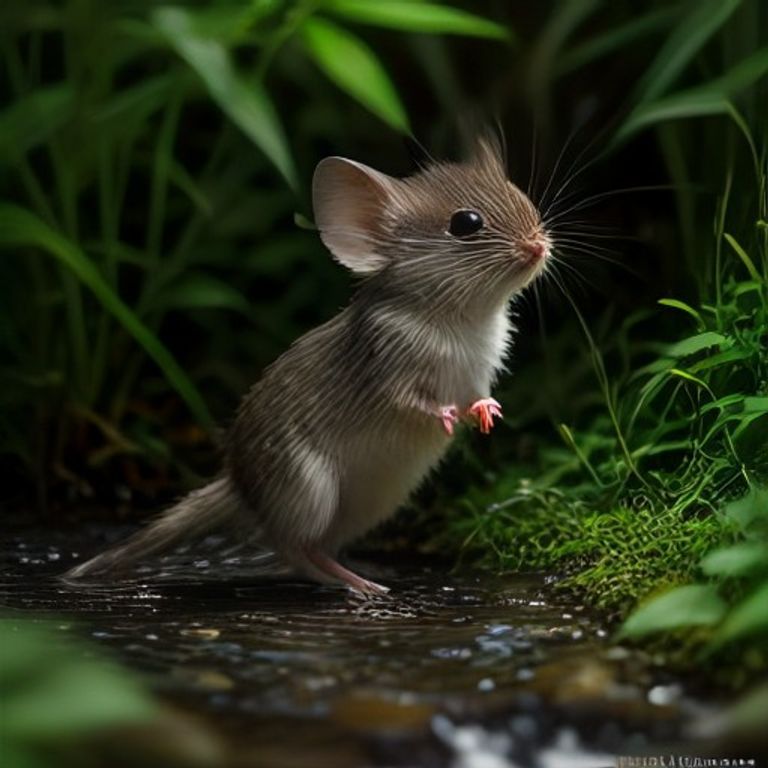
Colorado Ramps Up Preble’s Meadow Jumping Mouse Conservation Efforts
Colorado is embarking on an ambitious and multifaceted initiative to secure the future of one of its most delicate native species, the Preble’s meadow jumping mouse. Facing the increasing pressures of habitat loss and fragmentation, this small, enigmatic rodent has been designated an endangered species, prompting significant state-led action. The cornerstone of Colorado’s proactive strategy centers on the meticulous restoration of vital streamside ecosystems and the crucial task of re-establishing their natural connections to floodplains. This comprehensive approach recognizes the intricate ecological dependencies that underpin the mouse’s survival. Beyond ecological intervention, the program actively seeks to forge powerful partnerships with private landowners, inviting them to participate in voluntary conservation measures through appealing incentives and robust financial support. A landmark achievement in this ongoing effort was the establishment of a dedicated conservation bank in 2024, designed to channel resources and expertise into these indispensable restoration projects. Looking ahead, 2026 is poised to witness the rollout of new, enhanced initiatives, further bolstering the safeguarding of the Preble’s meadow jumping mouse conservation and its critical habitats.
Understanding the Preble’s Meadow Jumping Mouse: A Small Species with a Big Ecological Role
The Preble’s meadow jumping mouse (Zapus hudsonius preblei) is a subspecies of the meadow jumping mouse, distinguishable by its relatively long tail, large hind feet adapted for jumping, and distinct bicolored fur. These nocturnal creatures are not often seen, preferring the dense cover of riparian vegetation along streams and rivers in specific areas of Colorado and Wyoming. Their diet primarily consists of seeds, fungi, and insects, making them an integral part of the food web within their ecosystems. However, it is their unique habitat requirements that make them particularly vulnerable.
Preble’s mice depend on healthy, intact riparian zones—the lush strips of vegetation that grow along water bodies. These areas provide food, shelter from predators, and crucial pathways for movement. The decline of the Preble’s meadow jumping mouse is a direct consequence of widespread habitat degradation. Urban development, agricultural expansion, road construction, and the modification of natural water flows have fragmented and diminished these essential streamside habitats. When riparian zones are disconnected from their floodplains, they lose the natural processes of nutrient deposition and disturbance that rejuvenate the ecosystem, further compromising the mouse’s ability to thrive. Recognizing this acute vulnerability, federal and state agencies, alongside conservation groups, have intensified efforts to reverse the trajectory of this endangered species. The stakes are high, not just for the mouse itself, but for the ecological health of the entire riparian corridor, which supports a myriad of other species and provides invaluable ecosystem services, such as water purification and erosion control.
Colorado’s Strategic Blueprint for Riparian Restoration
Colorado’s comprehensive conservation strategy for the Preble’s meadow jumping mouse is rooted in sound ecological principles, primarily focusing on large-scale riparian restoration. The initial phase involves identifying critical habitats and areas where historical degradation has severely impacted the integrity of streamside ecosystems. Restoration efforts are multifaceted, encompassing the removal of invasive plant species that outcompete native vegetation, the replanting of indigenous trees, shrubs, and grasses that provide essential cover and food sources for the mouse, and the implementation of bioengineering techniques to stabilize stream banks and reduce erosion. These actions are carefully designed to recreate the complex, layered vegetation structure that Preble’s mice require for foraging, nesting, and evading predators.
A pivotal aspect of this strategy is the re-establishment of natural hydrological connections between streams and their adjacent floodplains. In many developed areas, streams have been channelized or confined, preventing the periodic flooding that is vital for rejuvenating riparian habitats. By restoring these connections, the program aims to allow natural flood regimes to deposit nutrient-rich sediments, create diverse microhabitats, and support the dynamic processes that sustain healthy riparian ecosystems. This not only benefits the Preble’s meadow jumping mouse but also enhances the resilience of the entire riverine system, improving water quality, increasing groundwater recharge, and providing critical wetland habitats for a host of other wildlife. The science-based approach ensures that interventions are effective, sustainable, and contribute to the long-term ecological health of Colorado’s waterways.
Empowering Landowners: Voluntary Conservation and Financial Incentives
A significant portion of the Preble’s meadow jumping mouse’s remaining habitat is located on private land. Recognizing this, Colorado’s conservation initiative places a strong emphasis on fostering collaborative relationships with landowners. The program offers a range of voluntary conservation measures, encouraging private citizens to become active stewards of the land. These measures can include:
- Fencing off riparian areas to prevent livestock access, which can degrade vegetation and compact soil.
- Implementing rotational grazing practices that minimize impact on sensitive ecosystems.
- Restoring native plant communities to provide essential cover and food sources.
- Establishing conservation easements that permanently protect critical habitats from future development.
To incentivize participation, the state provides robust financial support and technical assistance. Landowners can receive funding for restoration projects on their property, help with planning and implementation, and even compensation for land management practices that benefit the mouse. The aim is to make conservation economically viable and appealing, ensuring that landowners see themselves as key partners rather than as burdened by regulations. Educational outreach programs are also being expanded to inform landowners about the ecological value of riparian zones and the simple, yet impactful, actions they can take to support biodiversity. This community-centric approach is proving instrumental in broadening the scope and effectiveness of conservation efforts, creating a network of protected habitats across the landscape.
The 2024 Conservation Bank: A New Model for Funding Restoration
A cornerstone of Colorado’s updated conservation framework is the establishment of the Preble’s meadow jumping mouse conservation bank in 2024. This innovative financial mechanism is designed to streamline and accelerate critical restoration projects by providing a market-based solution for habitat protection. A conservation bank operates by creating, restoring, or enhancing threatened or endangered species habitat, and then selling “credits” to developers whose projects might impact similar habitats elsewhere. This allows developers to offset their unavoidable impacts by investing in proven conservation outcomes, ensuring a net benefit to the species.
The 2024 bank focuses specifically on generating credits through the restoration and permanent protection of high-quality Preble’s meadow jumping mouse habitat. Funds generated from the sale of these credits are directly reinvested into further habitat enhancement and acquisition projects. This model offers several advantages: it provides a consistent and dedicated funding source for conservation, encourages proactive habitat restoration rather than reactive mitigation, and creates larger, more contiguous blocks of protected land which are more ecologically valuable. By consolidating efforts and providing a clear pathway for environmental mitigation, the conservation bank is poised to significantly scale up the pace and effectiveness of conservation work across the state, transforming how major infrastructure and development projects interact with biodiversity protection.
Looking Ahead: Enhanced Habitat Safeguarding Initiatives in 2026
Building on the foundational success of the 2024 conservation bank, Colorado is set to launch a series of enhanced habitat safeguarding initiatives in 2026. These new programs represent an evolution in the state’s commitment to the Preble’s meadow jumping mouse, incorporating lessons learned and leveraging new technologies and partnerships. One key focus will be on expanding the network of protected riparian corridors through strategic land acquisitions and additional conservation easements. These efforts will prioritize connecting existing habitat fragments, thereby increasing genetic exchange and allowing for greater population resilience.
Furthermore, the 2026 initiatives will emphasize advanced monitoring and adaptive management strategies. Utilizing cutting-edge remote sensing technologies, environmental DNA (eDNA) sampling, and improved population modeling, conservationists will be able to more accurately track mouse populations, assess habitat health, and rapidly adapt restoration techniques to achieve optimal results. There will also be a stronger push for public engagement and citizen science programs, allowing the broader community to contribute to data collection and habitat stewardship. Educational campaigns will be intensified, aimed at raising awareness about the mouse and the importance of healthy riparian ecosystems, fostering a culture of environmental responsibility throughout the state. These forward-looking programs underscore Colorado’s long-term vision for protecting its biodiversity and ensuring a sustainable future for its unique natural heritage.
Broader Ecological Benefits: Beyond the Mouse
While the immediate focus of these initiatives is the Preble’s meadow jumping mouse conservation, the ripple effects of restoring riparian ecosystems extend far beyond a single species. Healthy streamside habitats are vital for a multitude of reasons. They act as natural filters, improving water quality by trapping sediments and pollutants before they reach larger water bodies. They stabilize stream banks, reducing erosion and protecting valuable agricultural land and infrastructure. Riparian zones also provide critical corridors for a wide array of wildlife, including birds, amphibians, reptiles, and other mammals, many of which are also experiencing population declines due to habitat loss.
The increased biodiversity that results from these restoration efforts strengthens the overall ecological resilience of Colorado’s landscapes. By restoring the natural functions of floodplains, the state is also enhancing its ability to manage water resources, mitigate the impacts of floods, and adapt to the challenges posed by climate change. Thus, the efforts to save the Preble’s meadow jumping mouse are not merely about preserving one small creature; they are an investment in the health, sustainability, and ecological integrity of Colorado’s entire natural environment, yielding benefits for both wildlife and human communities for generations to come.
Challenges and the Path Forward
Despite the robust framework and dedicated resources, the path to full recovery for the Preble’s meadow jumping mouse is not without its challenges. Continued urban growth, the complexities of land ownership, and the looming threat of climate change, which can alter hydrological regimes and increase the frequency of extreme weather events, all present significant hurdles. Sustained funding, consistent political will, and ongoing public engagement will be crucial for overcoming these obstacles.
However, Colorado’s proactive approach, combining scientific restoration, innovative financial mechanisms, and collaborative partnerships, offers a compelling model for endangered species recovery. The establishment of the conservation bank, coupled with the ambitious 2026 initiatives, demonstrates a profound commitment to long-term ecological health. By working together—state agencies, private landowners, conservation organizations, and local communities—Colorado is setting a powerful precedent for how to confront biodiversity loss effectively.
Conclusion
The focused efforts in Colorado to protect the Preble’s meadow jumping mouse represent a beacon of hope for endangered species conservation. Through a comprehensive strategy encompassing meticulous streamside ecosystem restoration, crucial floodplain connectivity, and an unwavering commitment to landowner engagement and financial support, the state is actively safeguarding this vulnerable species. The operationalization of the 2024 conservation bank and the forward-looking initiatives slated for 2026 underscore a profound dedication to not only preserving the Preble’s meadow jumping mouse but also enriching the broader ecological tapestry of Colorado. These integrated and collaborative endeavors highlight a critical understanding: that the survival of one small mouse is intrinsically linked to the health and vitality of an entire ecosystem, promising a more resilient and biodiverse future for all.