
 By NewsMatrix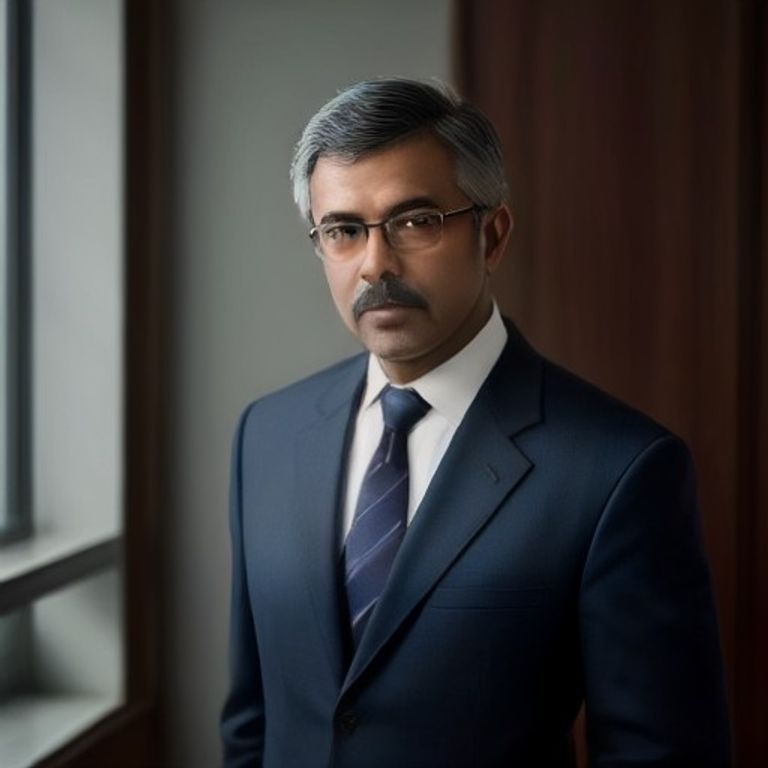
Chandrasekaran Opts Against Re-election: Paving the Way for Tata Sons Leadership Transition
Mumbai, India – N. Chandrasekaran, a stalwart figure who has dedicated four decades to the expansive Tata Group, has formally informed the Tata Sons board of his decision not to seek another term as chairman. His current tenure is set to conclude on February 20, 2027, marking the beginning of a significant Tata Sons leadership transition. This announcement, made on Wednesday, sends ripples across India’s corporate landscape and the global business community, signaling a pivotal moment for one of the world’s most respected conglomerates.
Chandrasekaran, aged 63, took the helm of Tata Sons, the holding company and promoter of over 100 Tata operating companies, in 2017, stepping into a challenging environment following the contentious removal of his predecessor, Cyrus Mistry. His appointment ushered in an era of stability and strategic refocus, consolidating the group’s diverse interests and steering it towards innovation and global competitiveness. His decision to step down after nearly a decade at the top invites reflection on his impactful tenure and anticipation for the future direction of the venerable business empire.
A Legacy of Stability and Strategic Vision
Natarajan Chandrasekaran’s journey within the Tata Group began in 1987 as a software engineer at Tata Consultancy Services (TCS), where he steadily climbed the ranks to become CEO and Managing Director in 2009. Under his leadership, TCS transformed into a global IT powerhouse, achieving unprecedented growth and market capitalization. His elevation to the chairmanship of Tata Sons was seen as a testament to his proven leadership capabilities, deep understanding of technology, and meticulous operational acumen.
During his tenure as chairman of Tata Sons, Chandrasekaran embarked on an ambitious mission to streamline the group’s sprawling portfolio, which spans from salt to software. He focused on a ‘One Tata’ approach, emphasizing synergy across businesses, digital transformation, and sustainable growth. Key initiatives included deleveraging the group, simplifying cross-holdings, and making bold investments in new-age technologies and future-proof sectors such as electric vehicles, renewable energy, and artificial intelligence.
Under Chandrasekaran’s stewardship, the Tata Group has seen its market valuation surge significantly, reaffirming its position as a dominant force in the Indian and global economies. He successfully navigated complex challenges, including the global economic slowdowns, geopolitical shifts, and the profound impact of the COVID-19 pandemic, demonstrating resilience and strategic foresight. His emphasis on innovation led to the launch of ambitious projects, including the super app Tata Neu, aiming to integrate the group’s vast consumer offerings into a single digital ecosystem.
Navigating Complexities and Fostering Growth
One of Chandrasekaran’s most significant achievements has been his ability to instill a sense of calm and clarity within the group after a period of internal turmoil. He prioritized governance and transparency, rebuilding trust and confidence among stakeholders. His leadership style, often described as pragmatic and inclusive, allowed him to unite disparate business units under a common vision, fostering a culture of collaboration and shared purpose.
The strategic divestment of non-core assets and the consolidation of businesses were hallmark moves aimed at improving efficiency and profitability. For instance, efforts to rationalize Tata Steel’s European operations and streamline various retail ventures showcased a decisive approach to portfolio management. Simultaneously, aggressive expansion in growth areas, particularly in technology and automotive sectors, underscored a forward-looking strategy designed to ensure the group’s long-term relevance and prosperity.
Furthermore, Chandrasekaran has been a vocal advocate for sustainability and environmental responsibility, aligning the Tata Group’s objectives with global climate goals. Investments in green energy projects and a strong push towards electric mobility with Tata Motors exemplify his commitment to building a sustainable future, not just for the group, but for the nation and the planet. This focus has not only enhanced the group’s reputation but also positioned it favorably in an increasingly environmentally conscious global market.
The Road Ahead: Anticipating the Next Leader
The announcement of Chandrasekaran’s impending departure initiates a crucial period of introspection and strategic planning for Tata Sons. The selection of the next chairman will be a meticulously considered process, reflecting the immense responsibility associated with leading an institution that plays a vital role in India’s economic fabric and holds significant global influence. The new leader will inherit a robust, diversified, and forward-looking conglomerate, but also the immense expectations that come with the Tata name.
The individual chosen to succeed Chandrasekaran will face the challenge of continuing the momentum of digital transformation, expanding global footprints, and navigating evolving geopolitical and economic landscapes. Key priorities will likely include accelerating growth in emerging technologies, strengthening core businesses, and upholding the Tata Group’s enduring values of integrity, trust, and community service. The new chairman will need a blend of strategic acumen, operational expertise, and a deep understanding of both traditional and new-age industries.
Historically, the Tata Group has placed immense importance on succession planning, often identifying and grooming leaders from within its vast talent pool or bringing in external expertise when necessary. The search for the next chairman will undoubtedly involve a comprehensive evaluation of candidates who can not only manage the group’s vast operations but also embody its philanthropic ethos and long-term vision. This Tata Sons leadership transition will be watched closely by investors, employees, and industry observers alike.
Industry Reactions and Future Outlook
The news of Chandrasekaran’s decision, while providing ample time for a smooth transition, has prompted widespread discussion among industry analysts and business leaders. Many acknowledge his pivotal role in stabilizing and modernizing the Tata Group, praising his disciplined approach to capital allocation and his relentless pursuit of operational excellence. The consensus is that he leaves behind a stronger, more agile, and future-ready organization.
Market observers will be keen to understand the board’s criteria for selecting the next chairman and the timeline for the announcement. The emphasis will likely be on finding a leader who can not only preserve the group’s legacy but also propel it into new frontiers of growth and innovation. The continuity of strategic direction, especially in areas like sustainability, digital integration, and global expansion, will be a key expectation.
The Tata Group’s commitment to its diverse stakeholders, including its millions of shareholders, employees, and customers, remains paramount. The process of appointing a new leader will undoubtedly be guided by the principles that have underpinned the group’s success for over 150 years. As the conglomerate prepares for this significant change, the focus will remain on sustaining its growth trajectory and reinforcing its position as a global industrial powerhouse.
Conclusion
N. Chandrasekaran’s decision not to seek re-election marks the end of an impactful chapter and the dawn of a new era for Tata Sons. His nearly decade-long stewardship has been characterized by strategic clarity, financial discipline, and a resolute push towards a digitally enabled and sustainable future. He leaves behind a group that is more integrated, more resilient, and better positioned to capitalize on global opportunities.
The upcoming Tata Sons leadership transition will be a critical juncture, shaping the destiny of one of India’s most iconic business houses for decades to come. While the task of finding a successor to Chandrasekaran is formidable, the Tata Group’s storied history of resilient leadership and robust governance ensures that the institution is well-equipped to navigate this change and emerge stronger. The world will watch with keen interest as Tata Sons prepares to usher in its next phase of growth and innovation.