
 By NewsMatrix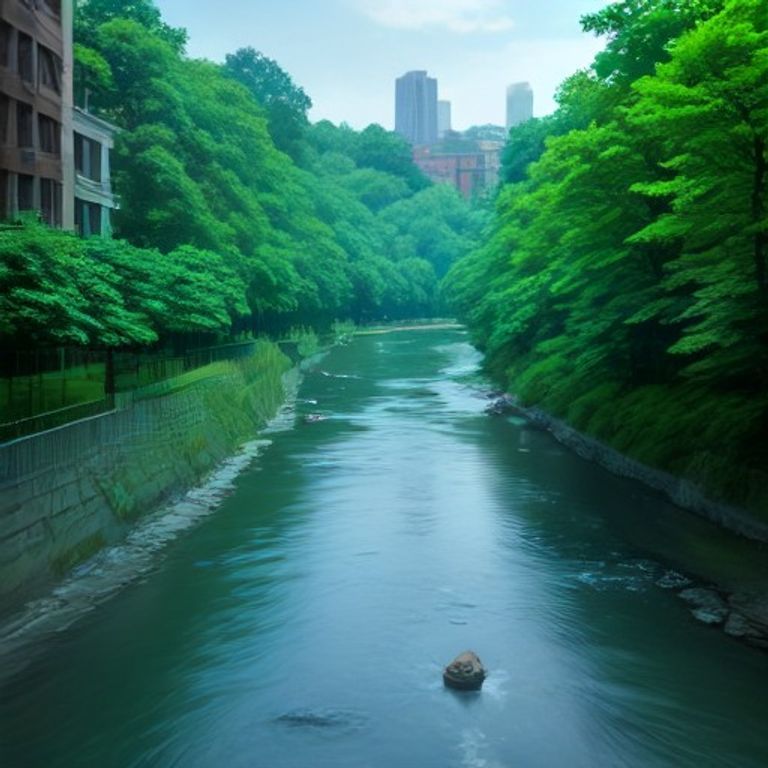
Yonkers Unearths Saw Mill River: A Triumph of Urban Restoration and Ecological Revival
In a remarkable testament to environmental foresight and urban planning, Yonkers, New York, completed a groundbreaking project in 2012 that redefined its downtown landscape and brought a lost natural wonder back to life. This initiative, known as the Saw Mill River daylighting project, involved uncovering a significant section of the Saw Mill River that had been buried beneath a sprawling downtown parking lot, Larkin Plaza, since the 1920s. Within a mere six months of its completion, the restored river section not only transformed into a vibrant three-acre public park but also fostered an impressive 14,000 square feet of new aquatic habitat, quickly becoming home to several species and serving as a beacon of ecological recovery and urban revitalization for cities worldwide.
A Century of Concealment: The River’s Buried Past
The story of the Saw Mill River’s concealment is a common narrative in the annals of industrial urban development. As cities expanded rapidly in the late 19th and early 20th centuries, rivers and waterways were often viewed as obstacles to progress or convenient conduits for waste. In Yonkers, a bustling industrial hub with a burgeoning population, the Saw Mill River, once a vital artery for mills and a natural feature of the landscape, was deemed an impediment to the city’s automotive future. By the 1920s, a significant stretch of the river, flowing through what would become the heart of downtown, was encased in culverts and paved over. The area, known as Larkin Plaza, was subsequently transformed into a vast concrete parking lot, serving the needs of a car-centric society and effectively erasing the river from the city’s visible fabric. This utilitarian solution, while addressing immediate transportation and commercial needs, came at a significant ecological and aesthetic cost, severing the city’s connection to its natural heritage and creating a sterile urban environment.
The Vision for Restoration: Bringing Nature Back to the City
The idea of daylighting the Saw Mill River was not a sudden impulse but the culmination of decades of advocacy, planning, and a growing understanding of the benefits of urban ecological restoration. As the 21st century dawned, urban planners and environmentalists began to champion the concept of “daylighting” – the practice of exposing streams and rivers that had been previously culverted or buried. The rationale extended beyond mere aesthetics; it embraced the profound ecological, social, and economic advantages of integrating natural waterways into the urban environment. For Yonkers, the project represented an opportunity to reclaim public space, enhance biodiversity, mitigate flood risks, and stimulate economic development in its downtown core. The vision was ambitious: to dismantle the concrete shroud, restore the river’s natural flow, and create a verdant public park where nature and urban life could coexist harmoniously. This required a monumental shift in perception, moving from viewing the river as a problem to be hidden to seeing it as an asset to be celebrated.
Engineering a Miracle: The Daylighting Process Unveiled
The actual process of daylighting the Saw Mill River was a complex undertaking, demanding innovative engineering, meticulous environmental planning, and significant coordination. The project involved the removal of thousands of cubic yards of concrete and fill that had buried the river for nearly a century. This massive excavation unveiled the long-hidden channel, which then required careful reshaping and restoration to mimic a natural riverbed. Engineers and environmental consultants collaborated to design a new river course that would support diverse aquatic life, improve water quality, and enhance the ecological health of the entire watershed. This included creating varying depths, installing natural substrates like gravel and cobble, and planting native vegetation along the banks to stabilize the soil, provide habitat, and filter stormwater runoff. The design also incorporated elements to manage potential flooding, ensuring the river’s return would be a benefit, not a liability, to the surrounding urban infrastructure. Public engagement was also a critical component, with community meetings and educational programs designed to inform residents about the project’s goals and foster a sense of ownership over the revitalized space.
Rapid Ecological Renaissance: A River Reborn
Perhaps one of the most astonishing aspects of the Saw Mill River daylighting project was the speed and scale of its ecological recovery. Within a mere six months of the river’s re-exposure, the newly created 14,000 square feet of aquatic habitat began to flourish. The improved water quality, thanks to the natural flow and bankside vegetation, attracted a diverse array of species that had been absent for generations. Fish, insects, and migratory birds quickly returned, transforming the once barren urban stretch into a vibrant ecosystem. The river became a living laboratory, demonstrating the incredible resilience of nature when given the opportunity to heal. This rapid ecological renaissance provided compelling evidence for the efficacy of daylighting projects and served as an inspiration for other communities grappling with similar environmental challenges. The return of these species underscored the interconnectedness of urban ecosystems and the profound impact that human intervention, when guided by ecological principles, can have on restoring natural balance.
Larkin Plaza: From Parking Lot to Pristine Park
Beyond the aquatic realm, the transformation of Larkin Plaza was equally dramatic. What was once an expansive, heat-absorbing concrete parking lot was reimagined and meticulously designed into a beautiful three-acre public park. This green oasis in the heart of downtown Yonkers offers residents and visitors a much-needed respite from urban bustle. The park features winding pathways for pedestrians, benches for relaxation, and ample green space for informal recreation. The open river, now visible and accessible, forms the centerpiece of the park, creating a serene and picturesque environment. The creation of this public park has had a multifaceted impact on Yonkers. It has enhanced the quality of life for residents, providing a valuable community gathering space and promoting outdoor activity. Economically, the park has become a catalyst for revitalization, attracting new businesses and residents to the downtown area, increasing property values, and fostering a sense of pride among locals. The park is a living embodiment of how thoughtful urban design can weave nature back into the fabric of a city, fostering both ecological health and human well-being.
A Global Model for Urban River Restoration
The success of the Yonkers Saw Mill River daylighting project has resonated far beyond the borders of New York, establishing itself as a significant case study and a global model for urban river restoration. Cities worldwide, grappling with the legacy of industrialized waterways and seeking sustainable solutions for urban development, look to Yonkers for inspiration. The project demonstrates that even heavily urbanized and historically neglected waterways can be successfully rehabilitated, offering a blueprint for transforming concrete jungles into biodiverse havens. It underscores the importance of interdisciplinary collaboration, integrating engineering, environmental science, urban planning, and community engagement. As climate change intensifies and the need for resilient urban infrastructure becomes more pressing, projects like the Saw Mill River daylighting offer invaluable lessons in creating greener, healthier, and more sustainable cities. The project exemplifies a paradigm shift in urban thinking – from conquering nature to collaborating with it for mutual benefit.
The Future of Urban Waterways: Lessons from Yonkers
The ongoing success and enduring legacy of the Saw Mill River daylighting project in Yonkers continue to inspire future urban planning and environmental initiatives. It serves as a powerful reminder that investing in natural infrastructure yields substantial returns, not just in ecological benefits but also in social cohesion and economic vitality. The project has undoubtedly paved the way for other communities to consider similar endeavors, challenging the conventional wisdom of urban development and advocating for a more harmonious integration of natural systems. As cities worldwide strive to become more sustainable, resilient, and livable, the lessons learned from Yonkers’ remarkable achievement will continue to guide efforts to uncover, restore, and celebrate the hidden waterways that flow beneath our urban landscapes, promising a brighter, greener future for generations to come. The Saw Mill River now flows as a vibrant symbol of what can be achieved when vision, determination, and ecological wisdom converge.