
 By NewsMatrix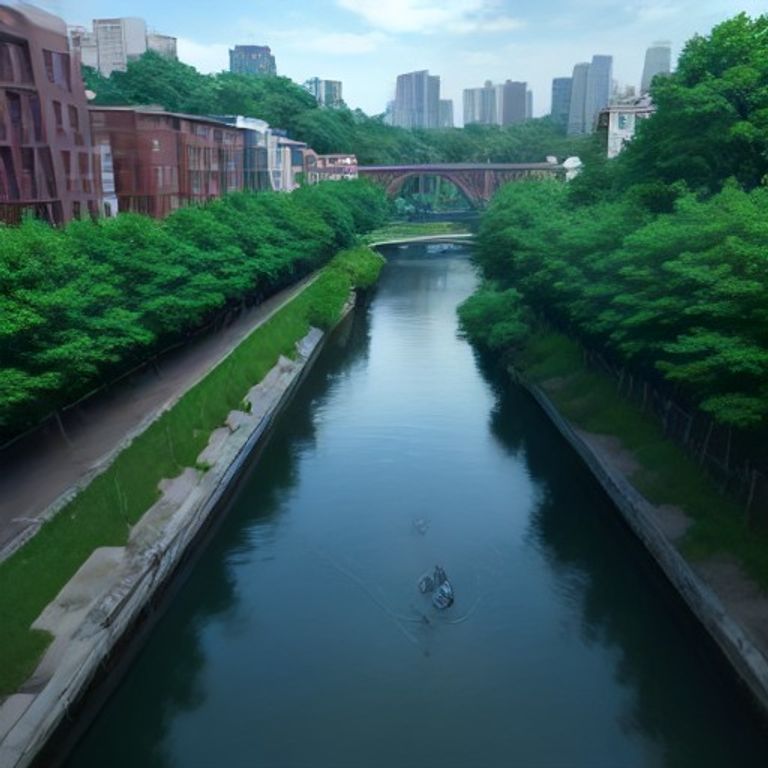
Yonkers River Restoration: A Blueprint for Urban Ecological Revival
YONKERS, NEW YORK – In a remarkable display of environmental commitment and urban foresight, the City of Yonkers, New York, completed a pioneering project in 2012 to uncover a section of the Saw Mill River. This stretch had been buried beneath a downtown parking lot since the 1920s. This ambitious undertaking, dubbed the Yonkers River Restoration, transformed the former Larkin Plaza into a vibrant three-acre public park, revitalizing the urban core and showcasing the profound potential of ecological restoration within a dense metropolitan setting. Within an impressive six months of its completion, the newly exposed river section supported 14,000 square feet of new aquatic habitat, welcoming back diverse species and fundamentally reshaping downtown Yonkers’ ecological and social landscape.
The success of the Saw Mill River daylighting project serves as a compelling model for cities globally, offering critical lessons in sustainable urban development and the reversal of long-standing environmental degradation. It demonstrates how collaborative planning and a dedication to ecological principles can foster both biodiversity and community well-being.
The Buried Past: A River Lost to Urban Expansion
The fate of the Saw Mill River in downtown Yonkers mirrors that of many urban waterways worldwide during the industrial boom of the 19th and early 20th centuries. Once a vibrant ecological corridor and a vital resource for early industries, the river increasingly faced pressure as Yonkers expanded. By the 1920s, dominant urban planning philosophies often prioritized infrastructure and commercial growth over natural systems. Rivers were frequently perceived as obstacles or conduits for waste, leading to their enclosure or burial to make way for development.
In Yonkers, this perspective resulted in the decision to bury a significant portion of the Saw Mill River beneath concrete and fill, creating Larkin Plaza – a vast parking lot designed to accommodate the burgeoning automobile culture and support downtown commerce. For nearly ninety years, the river flowed unseen, confined within culverts and pipes, its natural functions severely compromised. This act, while perhaps pragmatic at the time, effectively severed the city’s connection to one of its most fundamental natural assets, leading to significant environmental and social consequences.
A River in Crisis: The Environmental Imperative for Restoration
Confined beneath layers of concrete, the Saw Mill River endured severe ecological degradation. The lack of sunlight within the dark, stagnant culverts prevented photosynthesis, drastically reducing oxygen levels and creating an environment inhospitable to most aquatic life. Sediment accumulation, urban runoff pollution, and the complete absence of natural riparian vegetation further exacerbated the ecosystem’s decline. The river, once a thriving habitat, became an ecological void, unable to sustain the diverse species that historically populated it.
Beyond the direct ecological damage, the buried river also represented a missed opportunity for the city. It fostered a disconnect between residents and their natural environment, depriving the community of accessible green space, recreational opportunities, and the inherent aesthetic benefits of a flowing waterway. Downtown Yonkers, while commercially active, lacked the natural appeal and ecological resilience that a healthy river could provide. Recognizing this multi-faceted degradation, environmental advocates and forward-thinking city leaders began exploring transformative solutions.
A Bold Vision Takes Shape: Collaborative Planning and Funding
The concept of “daylighting” the Saw Mill River – uncovering it and restoring its natural channel – had been a topic of discussion for decades. However, it gained significant traction in the early 21st century as environmental awareness deepened and urban ecological restoration techniques advanced. Realizing this vision required immense political will, meticulous planning, and the formation of robust partnerships among diverse stakeholders.
Key partners included the City of Yonkers, which spearheaded the initiative; the New York State Department of Environmental Conservation (NYSDEC), providing crucial regulatory oversight and substantial funding; environmental organizations such as Groundwork Hudson Valley and Riverkeeper, offering advocacy, technical expertise, and community engagement; and various other state, federal, and private entities. Years were dedicated to comprehensive feasibility studies, environmental impact assessments, intricate engineering designs, and securing the complex array of permits and funding required. The overarching vision was to transform a forgotten urban scar into a vibrant ecological and community asset, demonstrating that even heavily impacted urban rivers could be successfully resurrected.
From Concrete to Current: An Engineering and Ecological Marvel
Executing the daylighting of the Saw Mill River, particularly the section beneath Larkin Plaza, was an extraordinary engineering and ecological undertaking. The initial phase, completed in 2012, involved the careful demolition and removal of acres of concrete and asphalt, gradually exposing the long-buried culverts. Once the culverts were removed, the arduous task of excavating and shaping the underlying riverbed began, meticulously recreating natural river channel contours. Engineers and landscape architects collaborated to design features such as varying depths, riffles, and pools, specifically intended to enhance habitat diversity and promote natural flow dynamics essential for a healthy river ecosystem.
The project navigated numerous challenges, including managing existing urban infrastructure, rerouting complex utility lines, and ensuring the structural stability of adjacent buildings. Addressing contaminated soils and managing groundwater were also critical components. Advanced stormwater management systems were integrated to minimize urban runoff pollution entering the newly exposed river. Furthermore, extensive native plantings were introduced along the riverbanks to stabilize soil, filter pollutants naturally, and provide essential habitat for both aquatic and terrestrial species. New pedestrian bridges and pathways were constructed, seamlessly integrating the revitalized river into the urban fabric and creating an accessible, engaging public space.
Ecological Renaissance: Life Returns to the Saw Mill
One of the most compelling aspects of the Yonkers River Restoration project was the remarkable speed and extent of its ecological recovery. Within an astonishing six months of the river’s re-exposure, the newly created 14,000 square feet of aquatic habitat began to flourish with life. Environmental scientists and monitors documented a rapid increase in macroinvertebrate populations, which serve as crucial indicators of water quality and form the base of the aquatic food web. Soon thereafter, various fish species, including native brook trout and migratory alewife and blueback herring, were observed utilizing the restored river section for spawning and foraging.
The rapid return of these species underscored the profound resilience of natural systems when given the opportunity to heal and thrive. The combination of improved water quality, increased oxygenation, and diverse physical habitat provided the necessary conditions for ecological processes to restart vigorously. Bird species, attracted by the burgeoning insect and fish populations, also became more frequent visitors, further enriching the local biodiversity. This swift ecological renaissance not only validated the project’s ambitious environmental goals but also provided tangible, compelling evidence of the significant positive impact human intervention can have when dedicated to restoring natural systems.
Urban Transformation: Larkin Plaza Reimagined as a Community Hub
Beyond its significant ecological triumphs, the daylighting of the Saw Mill River fundamentally reshaped downtown Yonkers. Larkin Plaza, once a stark expanse of asphalt, was transformed into a beautiful, linear three-acre public park that now serves as a vibrant community hub. The park offers invaluable green space, welcoming walking paths, comfortable benches, and educational signage, actively encouraging residents to reconnect with nature and learn about their city’s natural heritage. This new amenity has injected profound vitality into the downtown area, significantly enhancing its aesthetic appeal and fostering a stronger sense of place and civic pride.
The economic benefits have also been substantial. The revitalized river and park have acted as a magnet, attracting new businesses, residents, and visitors, thereby stimulating local commerce and increasing property values in the surrounding areas. The project has become a significant catalyst for further thoughtful urban development, demonstrating unequivocally that investment in environmental quality can directly translate into tangible economic growth and a measurably improved quality of life for urban populations. The Saw Mill River now flows as a central, cherished feature of Yonkers’ identity, a source of civic pride, and a dynamic space for recreation, contemplation, and community gathering.
A Global Model: Enduring Lessons from Yonkers
The resounding success of the Yonkers River Restoration project has resonated far beyond the borders of New York, establishing it as a powerful case study for urban planners, environmentalists, and policymakers across the globe contemplating similar “daylighting” initiatives for buried or culverted rivers. The project vividly demonstrates several critical lessons:
- Value of Ecological Restoration: It unequivocally highlights that even heavily degraded urban ecosystems possess an inherent, remarkable capacity for recovery, provided the right conditions and targeted interventions are applied.
- Integrated Planning: The project’s success stemmed from its holistic approach, seamlessly integrating ecological restoration with broader urban renewal, essential flood mitigation strategies, and robust community development goals.
- Collaborative Governance: The ability to effectively unite diverse governmental agencies, non-profit organizations, and engaged community groups proved instrumental in overcoming complex challenges and securing the necessary resources and public buy-in.
- Economic and Social Returns: Beyond its environmental gains, the project conclusively proves that strategic investment in green infrastructure yields significant economic revitalization, enhanced social cohesion, and measurable improvements in public health and well-being.
- Inspiration and Education: The transformed river functions as a dynamic living laboratory and an accessible outdoor classroom, actively educating residents and visitors about environmental stewardship, hydrological processes, and the paramount importance of healthy waterways.
As cities worldwide continue to navigate the pressing challenges of climate change, escalating biodiversity loss, and the growing demand for more livable and resilient urban environments, the Yonkers River Restoration offers a beacon of hope and a practical, scalable blueprint for how to successfully re-embrace and restore nature within the urban fabric.
Conclusion: The Enduring Legacy of a River Reborn
The Yonkers River Restoration project represents far more than just an engineering achievement; it embodies a profound narrative of hope, resilience, and the transformative power of collective action. What was once a forgotten, buried waterway – emblematic of a past era’s approach to urban development – has been triumphantly reborn as a thriving ecosystem and a vibrant centerpiece of downtown Yonkers. The rapid return of aquatic life, the creation of a cherished public park, and the subsequent economic and social revitalization collectively underscore the immense, multifaceted benefits of such ecological endeavors.
The Saw Mill River, now flowing freely under the sun, stands as a powerful living monument to Yonkers’ unwavering commitment to sustainability and its forward-thinking vision for a future where urban development and natural preservation coexist harmoniously. It serves as an enduring inspiration for other cities to look beneath their concrete facades, to rediscover and imagine the rivers and ecosystems waiting to be reconnected with their communities, proving conclusively that even the most urbanized landscapes can be transformed into vital havens for both nature and people.