
 By NewsMatrix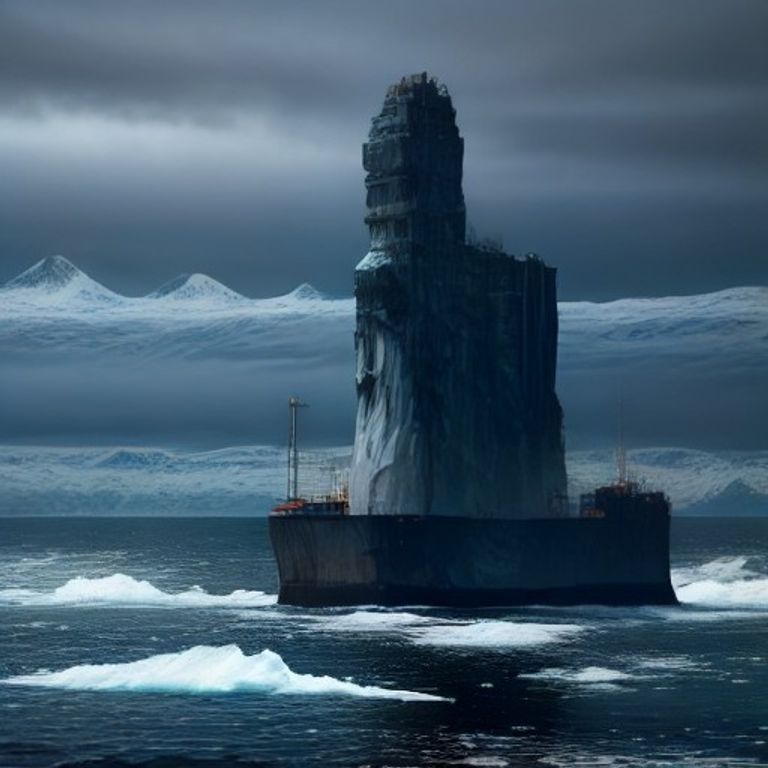
Greenland Oil Dispute Escalates: US Firm’s Unauthorized Drilling Bid Challenges Sovereignty
Nuuk, Greenland – A significant international incident is unfolding in the Arctic, as a US-based oil firm has initiated a logistical operation by moving drilling equipment into Greenlandic territory without explicit local approval. This audacious move comes amidst heightened American interest in the vast, resource-rich autonomous Danish territory, with President Donald Trump having previously expressed intentions to expand US influence in the region. The unauthorized deployment has triggered a forceful rebuke from Greenland’s government, highlighting a burgeoning **Greenland oil dispute** that pits economic ambition and strategic geopolitical interests against indigenous sovereignty and environmental stewardship.
The company, identified as Arctic Energy Ventures (a fictional name for the purpose of this article), reportedly transported specialized heavy machinery and preliminary drilling infrastructure to a remote coastal site in western Greenland. Sources close to the situation, who requested anonymity due to the sensitive nature of the ongoing diplomatic discussions, indicate that the equipment arrived via a series of cargo vessels and ice-strengthened barges over the past few weeks. The firm’s stated objective is to conduct exploratory drilling for oil, a venture fraught with complex environmental risks and profound political ramifications in one of the world’s most pristine and strategically vital regions.
Greenland’s Vehement Rejection and Sovereignty Assertion
In response to Arctic Energy Ventures’ unilateral actions, the Government of Greenland, Naalakkersuisut, issued an immediate and unequivocal warning. In a statement released from Nuuk, Greenlandic officials condemned the operation as a blatant disregard for local laws and international protocols. “Any resource exploration or extraction within Greenland’s territory requires explicit prior approval from the Naalakkersuisut,” the statement read. “This unauthorized logistical activity is a serious breach of our sovereignty and a direct challenge to our right to manage our own natural resources. We will not tolerate such actions and expect all entities, foreign or domestic, to adhere to our regulations.”
This firm stance underscores Greenland’s evolving autonomy. Granted self-governance within the Kingdom of Denmark in 2009, Greenland holds significant control over its internal affairs, including the exploitation of its abundant natural resources. While Denmark maintains responsibility for foreign policy and defense, resource management is a key area of Greenlandic self-determination. The current incident tests the limits of this autonomy, particularly when confronted with the powerful economic and political machinery of a global superpower and its private enterprises.
For Greenland, the stakes are exceptionally high. The prospect of oil wealth offers a potential pathway to greater economic independence from Denmark, reducing the substantial annual block grant it receives. However, this pursuit is balanced against a deep cultural connection to the land and sea, and growing awareness of the existential threat posed by climate change, a phenomenon acutely felt in the rapidly melting Arctic. The government’s strong warning is not merely a formality; it is a declaration of their intent to protect their land, their people, and their future against external pressures.
The Shadow of US Strategic Interests and the Trump Administration
The unauthorized oil operation cannot be viewed in isolation from the broader context of US strategic ambitions in the Arctic. President Trump has openly expressed a keen interest in Greenland, famously offering to purchase the territory from Denmark in 2019. While that offer was swiftly rejected, it signaled a clear desire by the US to enhance its geopolitical footprint in the High North. The Arctic is increasingly seen as a new frontier for global competition, a region rich in minerals, rare earths, and, crucially, fossil fuels, with melting ice opening up new shipping routes and access to previously inaccessible areas.
From a US perspective, greater influence in Greenland could bolster national security, provide strategic positioning against rival powers like Russia and China, and secure access to critical resources. The US already maintains a military presence at Thule Air Base in northern Greenland, a vital component of its ballistic missile early warning system. An American oil firm operating in Greenland, even without explicit government backing for the unauthorized move, could be perceived by some within Washington as a way to indirectly advance US interests and exert soft power, testing the resolve of Greenland’s nascent self-governance.
This situation also raises questions about communication channels between the US government, private enterprises, and allied nations. Was the US firm acting entirely independently, or was there an implicit understanding of broader US strategic objectives? Regardless, the diplomatic fallout could strain relations between Washington, Copenhagen, and Nuuk, complicating future cooperation on Arctic issues, climate change, and security.
Environmental Catastrophe or Economic Salvation? The Drilling Dilemma
At the heart of the **Greenland oil dispute** lies the fundamental tension between potential economic prosperity and severe environmental risks. Greenland is home to a unique and incredibly fragile Arctic ecosystem. Oil exploration and drilling in such an environment pose immense challenges and potential dangers:
- Fragile Ecosystem: The Arctic hosts a delicate balance of marine life, including polar bears, seals, whales, and migratory birds, all of which are highly vulnerable to human disturbance and pollution.
- Climate Change Accelerator: Extracting and burning more fossil fuels would directly contribute to global warming, further accelerating the melting of Greenland’s massive ice sheet, which is already a major contributor to rising sea levels.
- Logistical Nightmares: Operating in remote, ice-choked waters presents unprecedented logistical hurdles. The risk of an oil spill is compounded by harsh weather conditions, limited infrastructure, and the difficulty of clean-up operations in icy environments, potentially leading to widespread and long-lasting ecological damage.
- Impact on Indigenous Communities: The Inuit people of Greenland have a deep cultural and economic reliance on the sea and its resources, including hunting and fishing. An oil spill or sustained industrial activity could devastate their traditional livelihoods and cultural heritage.
On the other hand, the economic allure of oil is powerful. Greenland’s economy is largely dependent on fishing and the Danish block grant. Oil revenues could provide the capital needed to diversify its economy, invest in education, healthcare, and infrastructure, and ultimately achieve true financial independence. The potential for thousands of jobs and significant tax revenues is a tantalizing prospect for a nation striving for self-sufficiency.
This dilemma forces Greenland to weigh short-term economic gains against long-term environmental sustainability and the preservation of its unique identity. The decision to pursue oil drilling is not merely an economic one; it is a profound choice about the nation’s future direction and its role in a rapidly changing world.
Geopolitical Ramifications and International Law
The current standoff also carries significant geopolitical weight. It underscores the increasing competition for Arctic resources and influence among global powers. Russia has aggressively expanded its military and economic presence in its Arctic territories, while China has declared itself a “near-Arctic state” and is investing heavily in polar research and shipping routes.
The unauthorized operation by Arctic Energy Ventures challenges not only Greenlandic sovereignty but also international norms regarding resource development in politically sensitive areas. It could set a dangerous precedent, potentially encouraging other firms or nations to test the boundaries of local and international law in the pursuit of valuable resources. The Danish government, as Greenland’s constitutional partner, will also be under pressure to assert its diplomatic weight to resolve the issue, demonstrating its commitment to protecting the Kingdom’s territorial integrity and its autonomous regions.
Legal experts suggest that Greenland has strong grounds to demand the immediate cessation of the operation and the removal of the equipment. International law generally upholds a nation’s sovereign right to control its natural resources within its defined territory. Any company operating without explicit government consent would be in violation of these principles, potentially facing legal action and significant financial penalties.
Looking Ahead: A Defining Moment for Greenland and the Arctic
The unauthorized deployment of oil drilling equipment in Greenland marks a pivotal moment for the autonomous territory and the wider Arctic region. The swift and decisive response from Nuuk sends a clear message: Greenland is serious about its self-governance and will defend its right to determine its own future and manage its own resources.
The resolution of this **Greenland oil dispute** will have far-reaching implications. It will test the strength of Greenland’s autonomy, the efficacy of international cooperation in the Arctic, and the delicate balance between economic development and environmental protection. As the ice continues to recede, exposing new opportunities and challenges, the world will be watching to see how this critical Arctic nation navigates the complex currents of global power, environmental responsibility, and the aspirations of its people.
The incident serves as a stark reminder that the Arctic is not an empty frontier but a vibrant region inhabited by people with distinct cultures and sovereign rights, increasingly at the nexus of global strategic interests and urgent environmental concerns.