
 By NewsMatrix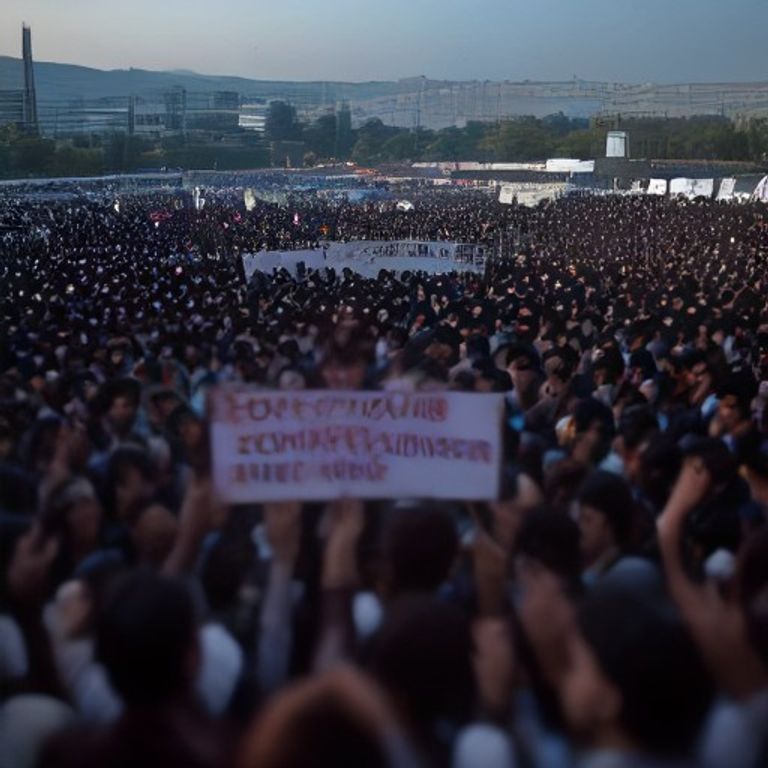
Indian Political Dynamics: Khera on Russian Oil, Gandhi on Youth Aspirations
In a period marked by intricate global diplomacy and pressing domestic challenges, India’s political landscape is abuzz with significant discussions and initiatives. Congress leader Pawan Khera recently brought to the fore critical questions concerning India’s foreign policy autonomy, specifically in its procurement of Russian oil. His pointed criticism of the government’s perceived reluctance to engage Parliament on this crucial matter highlights a broader debate about transparency and accountability in national decision-making. Simultaneously, Khera extended his unwavering solidarity to protesting students in Jharkhand, drawing attention to the pervasive issue of recruitment irregularities and underscoring the collective responsibility of all political entities to address the grievances of the nation’s youth. Amidst these developments, Rahul Gandhi is set to launch a new initiative designed to amplify the voices of young India, focusing intently on the unique challenges faced by students and the aspirations of job seekers. Together, these events paint a vivid picture of the multifaceted Indian Political Dynamics at play, intertwining issues of international relations, governance, and the imperative of securing a prosperous future for the country’s burgeoning youth population.
India’s Geopolitical Balancing Act: Russian Oil and Autonomy Concerns
Khera’s Critique: A Call for Parliamentary Debate
Pawan Khera’s recent remarks have ignited a fervent debate regarding India’s strategic autonomy in its foreign policy decisions, particularly concerning its continued purchase of discounted Russian oil. His principal contention revolves around the government’s apparent hesitation to initiate a comprehensive discussion on this subject within the hallowed halls of Parliament. Khera argues that such significant energy procurement, especially amidst a complex global geopolitical environment marked by the ongoing conflict in Ukraine and subsequent Western sanctions on Russia, warrants robust parliamentary oversight and deliberation. The essence of his argument is rooted in the democratic principle that major policy shifts, particularly those with profound economic and diplomatic ramifications, should not be unilateral decisions but rather products of thorough legislative scrutiny and public discourse. He posits that a lack of parliamentary engagement on this front might subtly undermine India’s perceived autonomy, suggesting that crucial decisions could be influenced by external pressures or opaque internal processes rather than the collective will represented by elected representatives.
India, as a sovereign nation, has consistently asserted its right to pursue an independent foreign policy, prioritizing its national interests. The decision to continue purchasing Russian oil, despite considerable international pressure, has been framed by the government as an act of pragmatic self-interest, securing vital energy resources at competitive prices to cushion its economy and population from inflationary pressures. However, Khera challenges the narrative by questioning the transparency of these decisions and the extent to which they are genuinely autonomous, free from implicit or explicit external influences. He calls for an open forum where the intricate details of these transactions, their long-term strategic implications, and their impact on India’s global standing can be thoroughly debated, allowing for a more informed national consensus. This push for greater transparency is not merely about the origin of oil but about upholding democratic accountability and ensuring that India’s geopolitical balancing act is truly in the best interest of all its citizens, arrived at through due democratic process.
The Energy Security Conundrum and Global Realities
India’s reliance on imported crude oil to meet a significant portion of its energy needs places it in a delicate position within the volatile global energy markets. The nation is the world’s third-largest consumer of oil, making energy security a paramount concern for its economic stability and growth trajectory. The availability of discounted Russian crude, particularly in the aftermath of the Ukraine conflict, presented India with a compelling economic incentive. By diversifying its crude oil sources and leveraging these advantageous prices, India has aimed to mitigate the impact of soaring international energy costs on its domestic economy, thereby safeguarding its burgeoning industrial sector and protecting consumers from inflationary spikes.
However, this strategy is not without its complexities. While economically beneficial, it has drawn scrutiny from Western allies who have imposed sanctions on Russia. India’s navigation of this intricate geopolitical landscape underscores its commitment to strategic autonomy and its ability to chart its own course on the global stage. The government maintains that its energy purchases are purely transactional and do not imply an endorsement of any particular geopolitical stance. Yet, Khera’s concerns highlight the inherent tension between economic pragmatism, international diplomacy, and the democratic imperative for transparent decision-making. The ongoing debate surrounding Russian oil purchases is a testament to the multifaceted challenges India faces in balancing its energy security, economic interests, and its position as a responsible actor in a highly interconnected and often contentious global order. The ability to articulate and defend these choices through robust parliamentary dialogue is seen by many, including Khera, as a crucial component of true national autonomy and strength.
A Collective Duty: Addressing Youth Grievances and Recruitment Irregularities
Solidarity with Jharkhand Students: A Symbol of Broader Frustrations
Beyond the complexities of international relations, Pawan Khera’s outreach to students protesting in Jharkhand shines a spotlight on critical domestic issues plaguing India’s youth. His expression of solidarity with these students, who are demonstrating against alleged irregularities in recruitment processes, resonates deeply with a nationwide sentiment of frustration among job seekers. The specific grievances in Jharkhand, which often involve accusations of corruption, lack of transparency in examination procedures, delayed appointment letters, and sometimes outright cancellations of examinations after significant investment of time and resources by aspirants, are unfortunately not isolated incidents. These issues represent a systemic problem that erodes the trust of young individuals in the fairness and efficacy of public institutions and government job promises.
For millions of young Indians, securing a government job is not merely a career aspiration but a pathway to economic security, social mobility, and a dignified life. The alleged irregularities, therefore, do not just affect individual prospects but also shatter dreams, impose immense financial burdens on families, and contribute to widespread disillusionment. Khera’s emphasis on a “collective duty” for all political parties to address these student grievances transcends partisan politics, urging a unified approach to a problem that impacts the very fabric of India’s future workforce. He highlights that ignoring these concerns is tantamount to neglecting a crucial segment of the population that holds the key to the nation’s demographic dividend. This call to action emphasizes that political accountability extends beyond policy debates to ensuring equitable opportunities and justice for those striving to build their lives.
Rahul Gandhi’s Initiative: Amplifying Youth Voices and Aspirations
In parallel to Khera’s pronouncements, Rahul Gandhi is preparing to launch a significant initiative aimed at foregrounding the challenges faced by India’s youth, particularly job seekers. This forthcoming campaign is strategically designed to delve into the core issues that impede the progress and aspirations of young Indians, ranging from unemployment and underemployment to the quality of education and skill development. The initiative is expected to involve widespread consultations, public interactions, and perhaps policy suggestions gleaned directly from the experiences and demands of the youth themselves. By giving a platform to these voices, Gandhi aims to bridge the perceived gap between political leadership and the grassroots realities of young individuals navigating a competitive and often challenging job market.
The timing of this initiative is particularly pertinent, as India grapples with the paradox of having a large young population alongside significant unemployment rates. Political strategists often highlight that youth engagement and addressing their concerns are pivotal for electoral success and long-term national development. Gandhi’s campaign is poised to tackle various dimensions of youth challenges, including the demand for more quality jobs, the need for relevant vocational training, and the aspiration for a more meritocratic system free from the irregularities that Khera has also pointed out. By focusing on these fundamental issues, the initiative seeks to not only draw political attention but also catalyze concrete policy actions that can empower the next generation and ensure that India’s demographic advantage translates into tangible socio-economic growth and stability. It underscores a growing recognition within the political establishment that the future of the nation is inextricably linked to the well-being and opportunities afforded to its young citizens, shaping the overall Indian Political Dynamics.
Weaving the Threads: Governance, Autonomy, and India’s Future
The Interplay of Domestic and Foreign Policy
The distinct issues raised by Pawan Khera – national autonomy in foreign policy and domestic accountability concerning youth grievances – are, upon closer examination, deeply interconnected and form critical aspects of the broader Indian Political Dynamics. A nation’s ability to project true autonomy on the global stage is intrinsically linked to the strength, stability, and integrity of its domestic governance. When a government exhibits transparency, responsiveness, and accountability to its own citizens, particularly through parliamentary oversight and addressing public concerns, it bolsters its credibility and legitimacy both at home and abroad. A robust internal democratic process, where significant decisions like energy procurement are openly debated and justified, strengthens the government’s mandate and its capacity to negotiate effectively on international platforms, free from the shadow of domestic doubt or hidden agendas.
Conversely, a perceived lack of transparency or a reluctance to engage legislative bodies on crucial foreign policy matters can inadvertently invite scrutiny and raise questions about the true independence of decision-making. Similarly, unaddressed domestic issues, such as widespread youth unemployment or systemic irregularities in recruitment, can breed internal discontent and instability, diverting national resources and attention away from strategic foreign policy objectives. Thus, the pursuit of national autonomy is not solely about resisting external pressures but also about fostering strong, ethical, and accountable governance within, ensuring that the nation’s power emanates from a place of unified strength and public trust.
The Youth as a Bellwether for National Progress
The aspirations and frustrations of India’s youth serve as a crucial bellwether for the nation’s overall health and future trajectory. With one of the world’s largest young populations, India stands at a critical juncture where the opportunities provided (or denied) to its youth will significantly determine its socio-economic progress and global standing. The grievances of students protesting recruitment irregularities are not merely isolated complaints; they are symptomatic of deeper structural challenges within the job market and governance systems. Addressing these issues effectively is not just a matter of social justice but an economic imperative. A disaffected and underemployed youth population represents a squandered demographic dividend, capable of undermining long-term economic growth and social cohesion.
Therefore, the collective duty of political parties, as articulated by Khera, and the focused initiative by Rahul Gandhi to address youth challenges, are not simply electoral strategies but fundamental responsibilities towards nation-building. Investing in quality education, creating equitable employment opportunities, ensuring transparent recruitment processes, and fostering an environment where youth can thrive are paramount. These actions solidify public trust, foster innovation, and lay the groundwork for a truly autonomous and prosperous India. The way in which India’s political leadership navigates these complex domestic and international waters will ultimately define its character and success in the coming decades, illustrating the evolving and critical nature of Indian Political Dynamics.
Conclusion
The recent statements from Congress leader Pawan Khera regarding India’s Russian oil procurement and his advocacy for student rights, alongside Rahul Gandhi’s impending initiative focused on youth empowerment, collectively underscore the intricate and evolving Indian Political Dynamics. Khera’s critique of the government’s approach to parliamentary engagement on foreign policy decisions highlights an enduring debate about transparency, accountability, and the very essence of national autonomy in a multipolar world. His calls for greater legislative scrutiny serve as a reminder that robust democratic processes are vital for safeguarding national interests and ensuring public trust in governmental actions. Simultaneously, his solidarity with protesting students in Jharkhand brings into sharp focus the urgent need to address systemic issues like recruitment irregularities, which significantly impact the lives and aspirations of millions of young Indians.
Rahul Gandhi’s upcoming initiative further reinforces the growing political emphasis on youth challenges, aiming to provide a platform for job seekers and students to voice their concerns and contribute to policy dialogues. These combined political actions signify a critical juncture where India’s leaders are tasked with navigating complex international relations while simultaneously addressing pressing domestic concerns related to governance, employment, and social justice. The path forward for India will undoubtedly require a delicate balance of strategic foreign policy decisions, unwavering commitment to transparent and accountable governance, and a proactive approach to nurturing its demographic dividend by empowering its youth. The collective responsibility of all political stakeholders to engage constructively with these multifaceted challenges will be crucial in shaping India’s trajectory towards sustained growth, stability, and true national autonomy in the years to come.