
 By NewsMatrix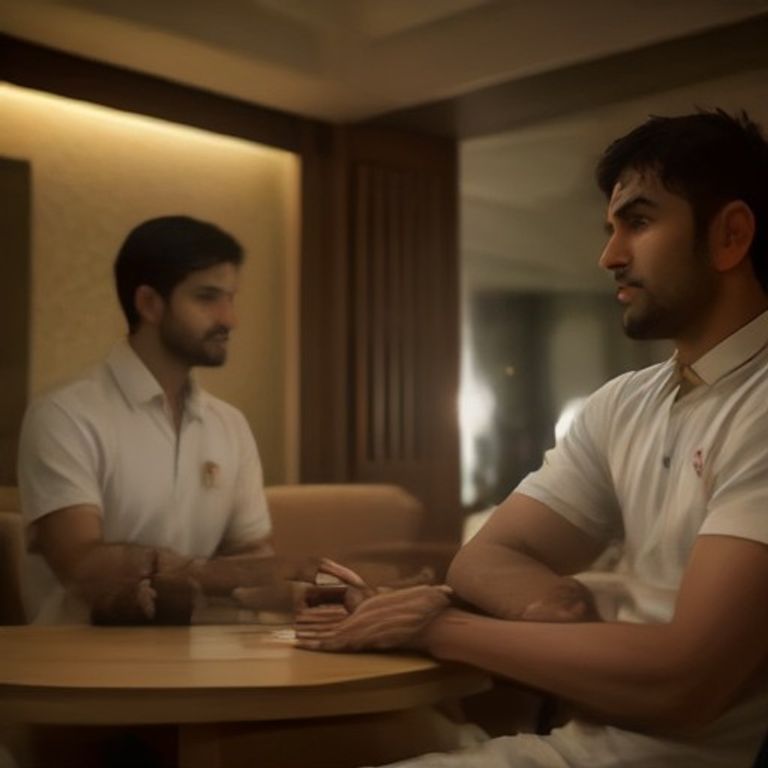
In the high-stakes world of professional cricket, where pressure mounts with every delivery and expectation weighs heavily on individual performances, the environment within a team can often be as crucial as the talent it harbors. Mahendra Singh Dhoni, a name synonymous with unparalleled leadership and a calm demeanor, cultivated an extraordinary team atmosphere through a surprisingly simple yet profoundly effective policy: his open hotel room. This unique approach fostered what is now widely recognized as Dhoni’s team culture, a blueprint for camaraderie, mentorship, and psychological comfort. Recently, seasoned campaigner Ajinkya Rahane, who recently announced his retirement from all forms of cricket after a distinguished career, shed light on this inclusive environment, offering a rare glimpse into the dynamics that defined one of India’s most successful cricketing eras. His insights underscore the indelible mark left by Dhoni’s leadership, even as Dhoni’s own playing future remains shrouded in uncertainty following an injury and a missed IPL season.
The Genesis of an Inclusive Environment: Dhoni’s Open Hotel Room Policy
Mahendra Singh Dhoni’s tenure as captain of the Indian cricket team was characterized not just by trophies and records, but by a distinct philosophy of team management. Central to this philosophy was his ‘open hotel room’ policy. Unlike traditional team hierarchies where younger players might feel intimidated or hesitant to approach senior figures, Dhoni actively dismantled these barriers. His hotel room, often after training or matches, transformed into an informal hub – a sanctuary where players of all ages and experience levels could gather, unwind, and simply be themselves, away from the intense glare of the sport.
This policy was more than just an open invitation; it was a deliberate strategy to foster a sense of family and belonging. Dhoni understood that cricket, while a team sport, often places immense psychological burden on individuals. Providing a space where players could decompress, share stories, play board games or video games, and simply chat, helped significantly in alleviating stress and building genuine relationships. This casual setting encouraged organic interactions, allowing younger players to observe, learn from, and connect with their seniors on a personal level, something formal team meetings or structured sessions could never achieve.
The impact was multifaceted. For rookies entering the daunting world of international cricket, Dhoni’s open room served as a gentle initiation, easing their transition and making them feel like an integral part of the squad from day one. It reduced the awe factor associated with playing alongside legends, replacing it with a sense of comfort and mutual respect. This informal mentorship was invaluable, allowing crucial conversations about technique, strategy, or even personal challenges to unfold naturally, often over a cup of tea or a game of cards.
Ajinkya Rahane’s Endorsement: A Testament to Trust and Comfort
Rahane’s Distinguished Career Concludes
Ajinkya Rahane, a stalwart of Indian cricket, recently drew curtains on a decorated career that spanned over a decade, marked by grit, elegance, and crucial contributions across formats. His retirement announcement prompted reflection on the journey of many players who rose through the ranks under Dhoni’s captaincy. It was in this context that Rahane, in a recent interview, offered poignant insights into the team culture fostered by Dhoni. His comments weren’t just nostalgic; they were an authoritative validation of a leadership style that prioritized human connection and psychological well-being.
Rahane spoke candidly about how Dhoni’s open door policy created an atmosphere of trust and openness. He highlighted how easy it was for young players to approach Dhoni, not just for cricketing advice but for any personal matter. This accessibility, he emphasized, was a powerful tool in breaking down barriers and nurturing raw talent. Players felt comfortable expressing themselves, making mistakes without fear of judgment, and learning from them in a supportive environment. This wasn’t just about making friends; it was about building a cohesive unit that understood and supported each other both on and off the field.
“It wasn’t just about cricket discussions,” Rahane reportedly shared, “it was about everything. We’d play games, talk about life, and just relax. It made everyone feel like a family, and that bond translated into our performances.” Such testimonials from respected veterans like Rahane underline the profound and lasting impact of Dhoni’s unique approach to team building. It suggests that leadership in sports extends beyond tactical genius; it encompasses the ability to create an ecosystem where every individual thrives, contributing to the collective good.
The Psychological Edge: Beyond the Boundary Ropes
Fostering Resilience and Unity
The benefits of Dhoni’s open room policy extended far beyond mere social interaction. In a sport where mental fortitude is paramount, creating a comfortable and open team environment directly contributed to the psychological resilience of the players. When individuals feel secure and valued, they are better equipped to handle the immense pressure of international competition. The informal setting allowed players to offload stress, share anxieties, and receive peer support, effectively building a robust internal support system.
Moreover, this policy played a crucial role in preventing cliques and fostering genuine unity. When players regularly interact in a relaxed, non-hierarchical setting, artificial divisions based on seniority or regional differences tend to dissolve. Everyone was simply a teammate, united by a common goal and shared experiences in Dhoni’s room. This seamless integration of new talent and the strengthening of existing bonds were hallmarks of the Indian teams under Dhoni’s reign, contributing significantly to their consistent success in major tournaments.
This approach subtly empowered players, giving them a voice and a sense of ownership over the team’s collective journey. It cultivated a culture where ideas were exchanged freely, and constructive feedback was delivered and received in a spirit of mutual improvement. This democratic ethos, originating from the casual comfort of a hotel room, seeped into the team’s overall functioning, making it a highly adaptable and formidable force on the global stage.
Dhoni’s Unfinished Chapter: A Legacy in Limbo?
The Uncertainty of a Legend’s Future
While Ajinkya Rahane’s career concludes with a clear announcement, the playing future of Mahendra Singh Dhoni remains one of cricket’s most intriguing unanswered questions. Having missed the recent Indian Premier League (IPL) season due to injury, speculation surrounding his retirement has intensified. Dhoni, known for his enigmatic pronouncements and sudden decisions, has kept the cricketing world guessing, characteristic of his career where he often let his actions speak louder than words.
His absence from the field has left a void, not just in terms of his exceptional wicketkeeping and batting prowess, but also his unparalleled leadership and calming presence. The discussions around his team-building methods, sparked by Rahane’s interview, serve as a timely reminder of the non-quantifiable contributions Dhoni made – contributions that often outweigh statistical achievements in their long-term impact on a team and its players. The cricketing fraternity, fans and pundits alike, eagerly await any announcement from the legendary captain, whose journey has often defied conventional narratives.
The contrast between Rahane’s definitive retirement and Dhoni’s ambiguous status highlights the different paths legends take at the twilight of their careers. Rahane has chosen a clear departure, allowing him to reflect on his contributions. Dhoni, ever the master of suspense, keeps his future veiled, adding another layer to his already mystifying persona. Regardless of his decision, the foundations he laid, particularly through his innovative leadership and focus on human connections, will endure.
The Enduring Impact: More Than Just a Game
The insights shared by Ajinkya Rahane provide a valuable understanding of how leadership transcends traditional roles in sports. Mahendra Singh Dhoni didn’t just lead a cricket team; he nurtured a family, an environment where young talents could flourish without succumbing to the immense pressures of international sport. His open hotel room policy was a simple yet revolutionary idea that built bridges, fostered genuine connections, and ultimately contributed significantly to the mental toughness and unity of the Indian squad.
As Rahane steps away from professional cricket, his reflections on Dhoni’s methods serve as a powerful testament to the long-term benefits of such inclusive leadership. It’s a reminder that true success in team sports often stems from creating a culture where every member feels valued, heard, and supported. Dhoni’s team culture, born out of informal interactions and genuine care, stands as a golden standard, proving that sometimes, the most effective strategies are those that focus on the human element.
The legacy of Mahendra Singh Dhoni, irrespective of his playing future, is secure not just in the annals of cricketing records, but in the hearts and minds of the players he mentored and the positive atmosphere he meticulously crafted. His unique approach continues to inspire discussions on what truly constitutes great leadership, offering timeless lessons for sports and beyond.