
 By NewsMatrix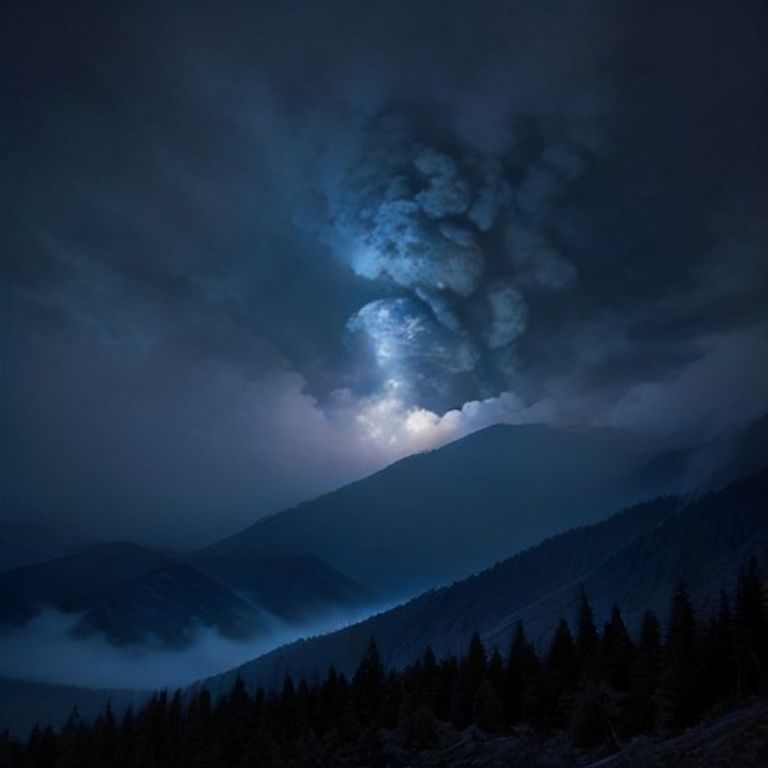
In July 2026, the world watched as France experienced a meteorological phenomenon previously unheard of within its borders: a pyrocumulonimbus (pyroCb) fire cloud. This dramatic event, where an intense wildfire generates its own thunderstorm, served as a stark reminder of climate change’s escalating impact and the new frontiers of extreme weather. While the immediate focus was on Europe, the incident sent ripples of concern globally, particularly to nations like India, where rising temperatures and prolonged dry spells are rapidly increasing the frequency and intensity of forest fires. Although India has yet to report a pyroCb event, its vast and increasingly flammable forests, especially the vulnerable Himalayan pine belt, present a critically high potential for such a catastrophic occurrence, underscoring the growing India Forest Fire Risk.
The Science Behind Pyrocumulonimbus Clouds: When Fire Creates Its Own Weather
A pyrocumulonimbus cloud is not merely a smoke plume; it is a fire-generated thunderstorm, a potent feedback loop between extreme heat and atmospheric dynamics. These towering clouds, sometimes reaching altitudes of 10-15 kilometers, are born from the immense heat of large, intense wildfires. The heat rapidly warms the air above the fire, causing it to become buoyant and ascend forcefully, drawing in surrounding air. This process, known as convection, creates a massive column of hot, smoke-laden air.
As this superheated air rises, it carries vast quantities of moisture and particulate matter from the burning vegetation. Upon reaching cooler, higher altitudes, the moisture condenses, forming a cap of cumulus cloud. The latent heat released during this condensation further fuels the updraft, accelerating the cloud’s vertical growth. If atmospheric conditions are unstable and sufficient moisture is present, this process can escalate into a full-fledged thunderstorm, complete with lightning, strong winds, and even hail.
The Dangers of a Fire Cloud
- Erratic Fire Behaviour: The powerful updrafts and downdrafts associated with these clouds can create unpredictable wind patterns, causing the fire to spread rapidly in multiple directions.
- Lightning Strikes: PyroCbs can generate their own lightning, which can ignite new fires miles away from the original blaze, making containment incredibly challenging.
- Fire Whirls: Extreme heat combined with turbulent winds can spawn “fire tornadoes” or fire whirls, which are incredibly destructive and can throw burning debris over long distances.
- Long-Distance Spotting: Embers and burning fragments can be carried high into the atmosphere and then dropped kilometers away, creating new ignitions.
- Severe Weather: While rare, heavy precipitation from a pyroCb can cause flash flooding and mudslides, especially in steep terrain.
Historically, pyroCbs have been observed during some of the most extreme wildfire events globally, including the “Black Saturday” fires in Australia (2009), the devastating wildfires in California and British Columbia, and the unprecedented Australian bushfire season of 2019-2020.
France’s Unprecedented Experience in July 2026: A European Anomaly No More
The July 2026 pyroCb event in France marked a grim milestone for Western Europe. While the continent has grappled with increasing wildfires in recent decades, particularly in Mediterranean regions, the formation of a fire-generated thunderstorm was a severe escalation. The incident, reportedly occurring in the Landes forest region – a vast expanse of maritime pine known for its flammability – underscored how rapidly climate change is transforming regional weather patterns and fire regimes.
Eyewitness accounts and meteorological data from the 2026 event described an apocalyptic scene: a towering, dark cloud structure erupting from the inferno, accompanied by intense localized wind shifts and reports of dry lightning igniting secondary fires. Emergency services, already stretched by the sheer scale of the blaze, found their operations further complicated by the erratic and dangerous conditions created by the pyroCb. The event highlighted the need for updated fire management protocols and enhanced meteorological forecasting capabilities to anticipate and respond to such extreme phenomena.
France’s experience served as a stark warning to other European nations, particularly those facing similar pressures from prolonged heatwaves and droughts. It demonstrated that what was once considered a phenomenon primarily confined to wildfire-prone continents like Australia and North America is now an undeniable threat in regions previously thought less susceptible.
India’s Mounting Vulnerability: A Looming Threat of PyroCbs
While France’s 2026 event brought the pyroCb phenomenon into sharper global focus, scientists and environmentalists have long voiced concerns about India’s increasing susceptibility to extreme forest fires. The nation, home to diverse forest ecosystems, is experiencing a dangerous confluence of factors that are dramatically elevating the India Forest Fire Risk.
Rising Temperatures and Prolonged Dry Spells
India is one of the most climate-vulnerable nations globally. Over the past few decades, it has witnessed a significant increase in average temperatures, particularly during the summer months. Heatwaves are becoming more frequent, more intense, and longer-lasting. Concurrently, patterns of precipitation are becoming erratic; while some regions face increased monsoonal rainfall, others experience prolonged dry spells and droughts, leading to a severe moisture deficit in vegetation. This combination creates prime conditions for wildfires: desiccated biomass, low humidity, and ignition sources.
The agricultural calendar also plays a role. Traditional practices of burning crop residue in fields, while localized, contribute to regional air pollution and, under specific conditions, can act as ignition points for broader forest fires, especially when adjacent forest lands are parched.
Current Landscape of Forest Fires in India
Data from various sources, including the Forest Survey of India (FSI), consistently shows an upward trend in both the number and intensity of forest fire incidents across the country. States in the central Indian highlands, the Western Ghats, and the Himalayan regions are particularly affected. Causes are multifaceted:
- Anthropogenic Factors: A significant majority of fires are human-caused, stemming from negligence (e.g., discarded cigarette butts, unattended campfires), deliberate arson, shifting cultivation practices, or traditional burning for pasture management and minor forest produce collection.
- Natural Factors: Lightning strikes, though less common as primary ignitors in India compared to other parts of the world, can still trigger fires, especially in remote, inaccessible areas.
The challenges in managing these fires are immense. Many forest areas are remote, with difficult terrain, making rapid response and effective suppression challenging. Resource allocation for fire-fighting, including personnel, equipment, and technology, often lags behind the escalating threat. Furthermore, community engagement in fire prevention and reporting is crucial but often inconsistent.
The Himalayan Pine Belt: India’s PyroCb Hotspot
Among India’s diverse forest landscapes, the Himalayan pine belt stands out as having the highest potential for a pyroCb event. This vast ecological zone, stretching across several northern states like Uttarakhand, Himachal Pradesh, and Jammu & Kashmir, is predominantly covered by highly flammable species, particularly Chir Pine (Pinus roxburghii).
- Highly Flammable Fuel: Chir pine forests are characterized by a thick carpet of dry, resinous pine needles on the forest floor. These needles, along with other dry undergrowth, act as an ideal fuel bed, igniting easily and burning with extreme intensity. The resinous nature of the trees themselves makes them highly combustible.
- Topography and Accessibility: The steep slopes and rugged, inaccessible terrain of the Himalayas make fire detection difficult and fire suppression incredibly challenging. Fires can spread rapidly uphill due to convection and are often difficult to contain in such environments.
- Climatic Conditions: The pre-monsoon summer months in the Himalayas are typically characterized by prolonged dry spells, low humidity, and strong winds. These conditions, combined with high temperatures, create a perfect storm for fires to escalate into uncontrollable infernos.
A pyroCb event in the Himalayas would have catastrophic consequences far beyond the immediate burn zone. The thick smoke plumes would severely degrade air quality across vast swathes of northern India, impacting millions of people, particularly those with respiratory conditions. Ecological devastation would be immense, affecting biodiversity, water sources (glaciers and perennial rivers), and the fragile Himalayan ecosystem. The economic impact on tourism, agriculture, and local communities would be profound. Moreover, the unique atmospheric dynamics of the mountains could potentially enhance the scale and impact of such a fire cloud, making it a critical area of concern for disaster management agencies.
Global Context and the Imperative of Preparedness
The events in France and the escalating India Forest Fire Risk are not isolated incidents but part of a wider global trend. Extreme wildfires are becoming the new normal across continents, driven by climate change, land-use changes, and insufficient preparedness. The scientific community is unanimous: without aggressive climate action and robust fire management strategies, these events will only intensify.
For India, the imperative for preparedness is immediate and critical. This involves a multi-pronged approach:
- Enhanced Early Warning Systems: Leveraging satellite imagery, AI-driven analytics, and ground-based sensors for rapid detection and prediction of fire spread.
- Sustainable Forest Management: Implementing controlled burns in appropriate seasons, creating firebreaks, and promoting mixed species forests that are less prone to extreme fires.
- Community Engagement: Educating local communities, involving them in prevention efforts, and establishing clear communication channels for reporting fires.
- Resource Augmentation: Investing in modern fire-fighting equipment, training personnel, and improving accessibility to remote forest areas.
- International Collaboration: Learning from global best practices in managing extreme wildfires and collaborating on research and technology transfer.
- Climate Change Mitigation: Ultimately, addressing the root cause by transitioning to renewable energy, reducing emissions, and promoting sustainable development practices.
Conclusion: A Call to Action Against the Blazing Threat
The pyrocumulonimbus fire cloud witnessed in France in July 2026 was a chilling demonstration of nature’s amplified destructive power in an era of climate change. For India, a nation already battling a burgeoning crisis of forest fires exacerbated by rising temperatures and extended dry spells, this event serves as a critical harbinger. The escalating India Forest Fire Risk, particularly within the highly flammable Himalayan pine belt, demands immediate and comprehensive action.
The time for complacency is over. India must learn from global experiences, bolster its preparedness strategies, and invest in both technological solutions and community-based prevention. Proactive forest management, robust early warning systems, and a concerted effort to mitigate climate change are not merely options but necessities. Only through a unified and sustained approach can India hope to avert the catastrophic potential of future extreme fire events and safeguard its invaluable natural heritage for generations to come.