
 By NewsMatrix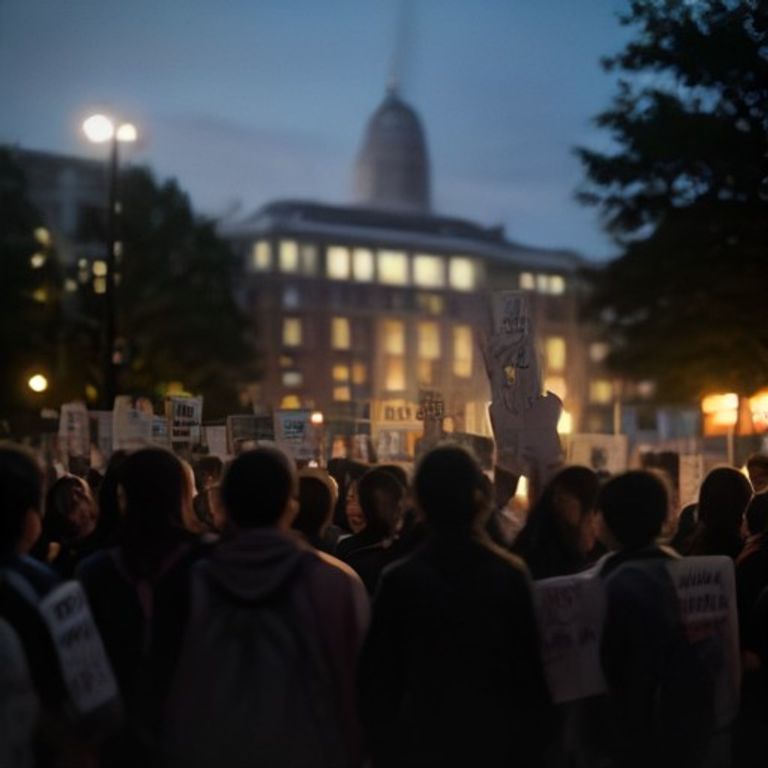
Student Release Demands Intensify Amidst Mounting Pressure for Accountability
In a powerful display of collective resolve,
Student Release Demands
have escalated across the nation, as demonstrators continue their fervent calls for the immediate liberation of all students still incarcerated following a recent statewide agitation. The protests, marked by a determined spirit and a clear set of objectives, are also demanding the swift withdrawal of all criminal cases registered against those who were arrested during the widespread unrest. The movement underscores a deep-seated desire for transparency and justice, highlighting significant concerns over due process and the appropriate use of force by authorities. As the agitation gains momentum, a critical demand has emerged from the heart of the protests: a verified, comprehensive list detailing the status of every student detained, distinguishing between those who have been released and those who remain behind bars. This call for clarity reflects a growing mistrust and a desperate need for accountability, ensuring that no individual is left in legal limbo or subjected to arbitrary detention.
The Core of the Movement: Unwavering Demands for Justice
The epicentre of this renewed wave of protests resonates with a unified cry for justice. At the forefront of their agenda, demonstrators are demanding the immediate and unconditional release of every student who was arrested and subsequently jailed during the statewide agitation. The sheer number of arrests, though unverified by official sources thus far, has become a significant point of contention, fueling public outrage and cementing the resolve of the student community and their supporters. Protestors argue that the continued detention of these students is a violation of their fundamental rights and an affront to the principles of a just society. Their primary demand is not merely for freedom, but for a restoration of faith in the legal system, which they feel has been compromised by the arrests and subsequent legal proceedings.
Beyond the immediate release, another critical demand reverberating through the protest sites is the withdrawal of all criminal cases registered against the students. Activists contend that many of these cases are baseless, politically motivated, or an overreaction to peaceful dissent. The registration of criminal charges, they argue, has far-reaching implications, potentially jeopardizing the future academic and professional prospects of hundreds of young individuals. “We want a verified list of those who have been released from jail and those who are still behind bars after being arrested during the protests,” stated one impassioned protestor, their voice echoing the collective sentiment of the crowd. This demand for a verified list is not merely procedural; it is a profound plea for transparency, an attempt to pierce through what many perceive as a veil of official silence and bureaucratic obfuscation. The lack of clear information regarding the detainees has created an atmosphere of anxiety and uncertainty among families and friends, exacerbating the emotional toll of the situation.
Allegations of Excessive Force and a Call for Investigation
The urgency of the current protests is further compounded by serious allegations of excessive use of force by law enforcement during earlier phases of the agitation. A student activist from Siwan brought these disturbing claims to the fore, alleging disproportionate and unwarranted violence against protestors. These accusations paint a grim picture of state response to civil unrest, raising critical questions about police conduct, crowd control measures, and adherence to human rights standards. Such allegations, if proven true, not only undermine public trust in law enforcement but also have the potential to escalate tensions further, transforming peaceful demonstrations into confrontational standoffs. The activist’s testimony serves as a stark reminder of the delicate balance between maintaining public order and safeguarding citizens’ rights to protest peacefully.
The reports from Siwan are not isolated incidents; similar whispers and outright accusations of heavy-handedness have emerged from various corners of the state where the agitation took root. Eyewitness accounts and unverified video footage circulated on social media platforms have, in some instances, appeared to corroborate claims of unwarranted aggression against unarmed students. This pattern of alleged violence not only violates the spirit of democratic protest but also risks alienating a significant segment of the youth population, potentially leading to deeper resentment and disillusionment with governmental institutions. The demonstrators are now not only seeking justice for those currently incarcerated but also demanding a thorough, independent investigation into all reported instances of police brutality, ensuring that perpetrators are held accountable and that such actions are not repeated in the future.
The Anatomy of a Statewide Agitation: Roots and Repercussions
The “statewide agitation” that led to these arrests and subsequent protests was, according to various reports, a multifaceted movement addressing a range of grievances, from specific policy changes to broader socio-economic concerns affecting the student community. While the immediate trigger for the arrests might have varied, the underlying discontent appears to be widespread, reflecting a simmering frustration among the youth. This agitation brought together students from diverse backgrounds and regions, united by common causes and a shared sense of urgency regarding their future. The scale of the movement underscores a significant disconnect between the aspirations of the youth and the perceived responsiveness of the authorities.
The repercussions of this agitation have been far-reaching, extending beyond the immediate arrests and legal battles. Educational institutions have been disrupted, academic calendars have been thrown into disarray, and a climate of fear has, in some areas, stifled open dialogue and critical thinking. The branding of student protestors as criminals not only stigmatizes them but also potentially deters future civic engagement, undermining the very essence of a vibrant democracy where dissent is a legitimate and crucial component of societal progress. The current
Student Release Demands
are therefore not just about individual freedoms but about the broader health of democratic participation and the protection of civil liberties within the nation.
The Human Toll: Beyond the Headlines
Behind every statistic of arrest and every legal case lies a human story of struggle, anxiety, and profound uncertainty. The families of the jailed students are living through an unimaginable ordeal, grappling with the absence of their loved ones and the daunting complexities of the legal system. Parents speak of sleepless nights, constant worry, and the emotional and financial strain of pursuing legal recourse. The students themselves, many of whom are in the formative years of their lives, face the daunting prospect of criminal records that could permanently scar their academic and professional trajectories, irrespective of the eventual outcome of their cases. This human toll is a critical dimension often overshadowed by the political rhetoric surrounding protests.
Moreover, the psychological impact on the broader student community is immense. The fear of arrest and the threat of criminal prosecution can create a chilling effect, discouraging students from exercising their constitutional right to peaceful assembly and free speech. This erosion of confidence in their right to express dissent can have long-term consequences for civic education and the development of responsible, engaged citizens. The protestors’ insistence on a “verified list” is a poignant reflection of this deep concern, a cry for acknowledgement and humane treatment that extends beyond legalities to encompass the fundamental dignity of every individual involved.
The Path Forward: Calls for Dialogue and Resolution
As the protests continue to gain momentum, there is a growing consensus among civil society groups, legal experts, and concerned citizens that a purely confrontational approach will not lead to a sustainable resolution. Instead, there are increasing calls for meaningful dialogue between the student representatives and government authorities. Such a dialogue, predicated on mutual respect and a genuine desire to address grievances, could pave the way for a peaceful resolution, including the expedited review of all pending cases and the release of students who have been unjustly detained.
The demands for transparency, particularly regarding the verified list of detainees, are paramount. Establishing clear communication channels and providing accurate, timely information can significantly de-escalate tensions and rebuild trust. Furthermore, an independent investigation into the allegations of excessive force is crucial not only to ensure accountability but also to restore faith in the impartiality of law enforcement agencies. The future trajectory of this movement, and indeed the broader socio-political landscape, hinges on the willingness of all stakeholders to engage constructively, prioritize human rights, and uphold the principles of justice and fairness. The unwavering spirit of the protestors, evident in their continued
Student Release Demands
, serves as a powerful reminder of the enduring strength of collective action in the pursuit of a more equitable and accountable society.
In conclusion, the escalating
Student Release Demands
represent a critical juncture for both the student community and the authorities. The calls for immediate release, withdrawal of criminal cases, and transparency regarding detainees, coupled with serious allegations of excessive force, underscore a complex challenge that requires careful handling. The future path demands a commitment to dialogue, justice, and the protection of fundamental rights, ensuring that the voices of the youth are not only heard but also respected within the democratic framework.